
This past year and last year were spectacular years for mushrooms, both the visually stunning and the harvesting of safe edibles. I’ve included a few pictures from years past too for a visual feast. Many of the photographs were taken with the ever-portable cell phone camera, others either with an aging point and shoot pink Kodak or the Canon EOS 40D. Once I started this project last fall, it was hard to stop adding more. I would recall a great hike and a bunch of pictures I took. Tracking down some of these photographs was harder than expected since I did not label the files very well. When storing photographs digitally, just dates do not cut it! I have tried to be as accurate as possible too, using several ID books and reaching out to email local enthusiasts. What was supposed to be a quick blog follow up to the sea beans has proven to be a much bigger project! But because mushrooms are so fascinating and I have enjoyed photographing them since I was a kid, it hopefully is worth the wait.
Disclaimer: they are ID’ed to the best of my abilities, but are not meant to provide a positive ID when out hunting on your own. There are a great many books for identifying mushrooms, whether for food, medicine, or curiosity.
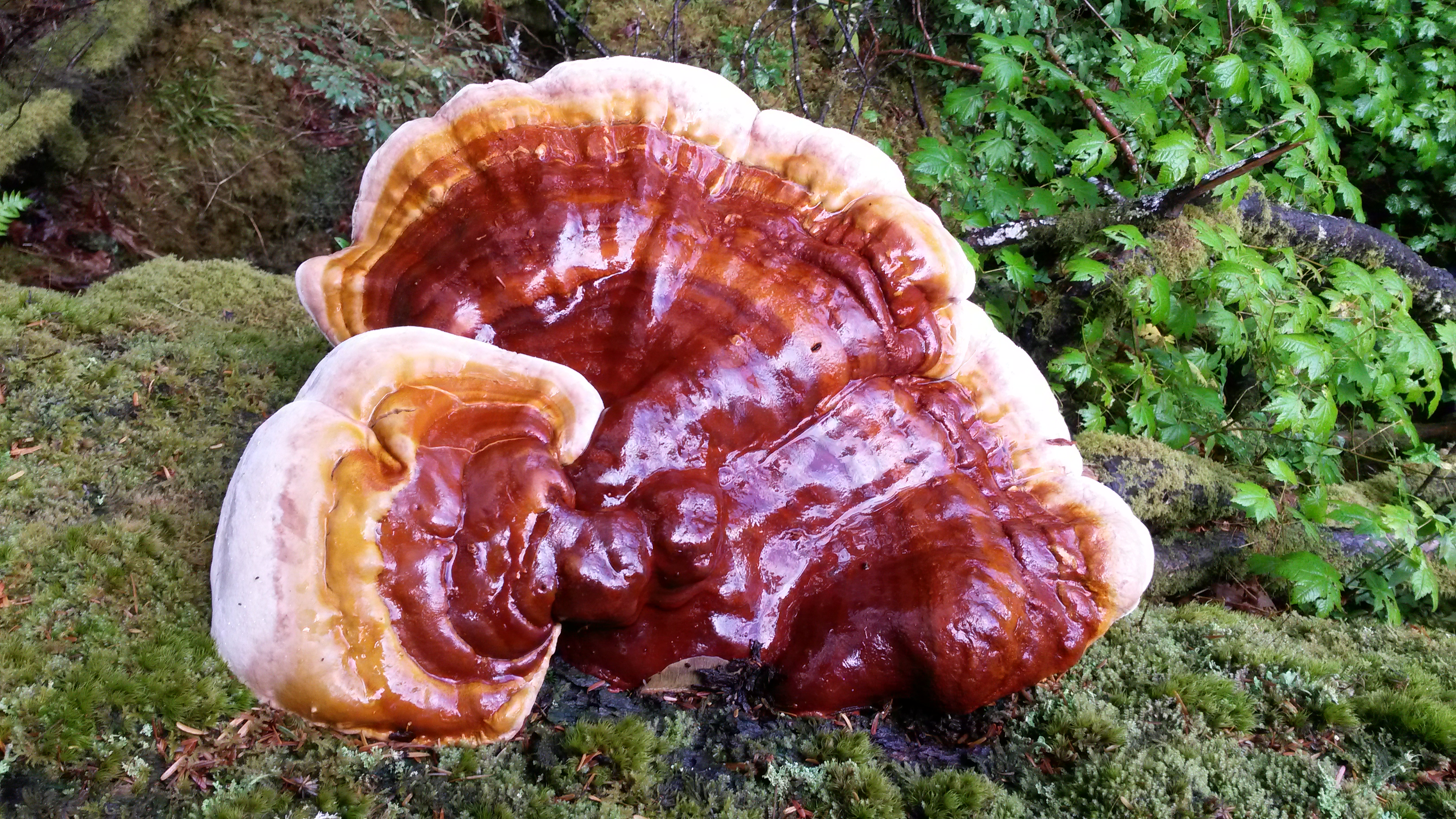
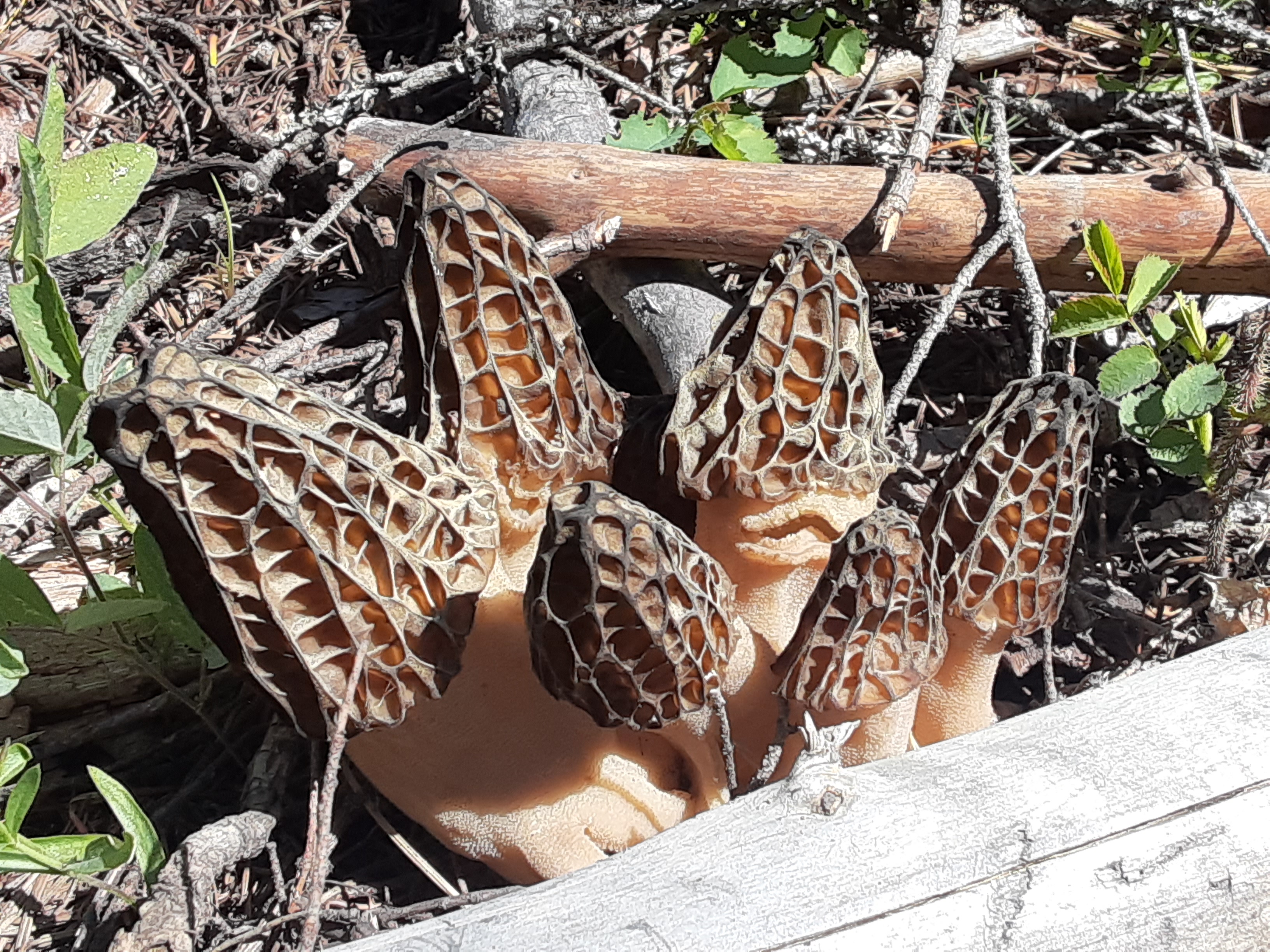
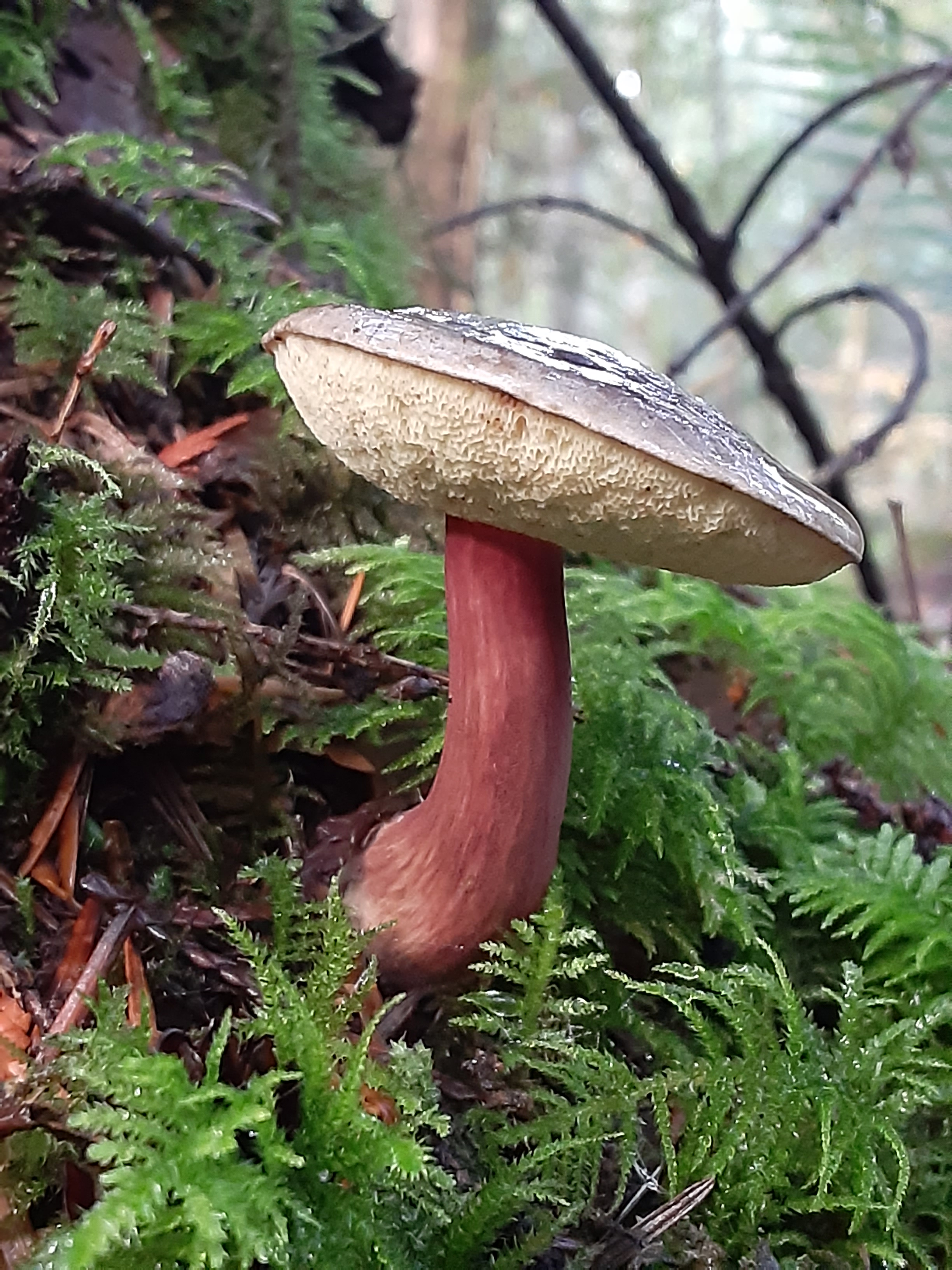
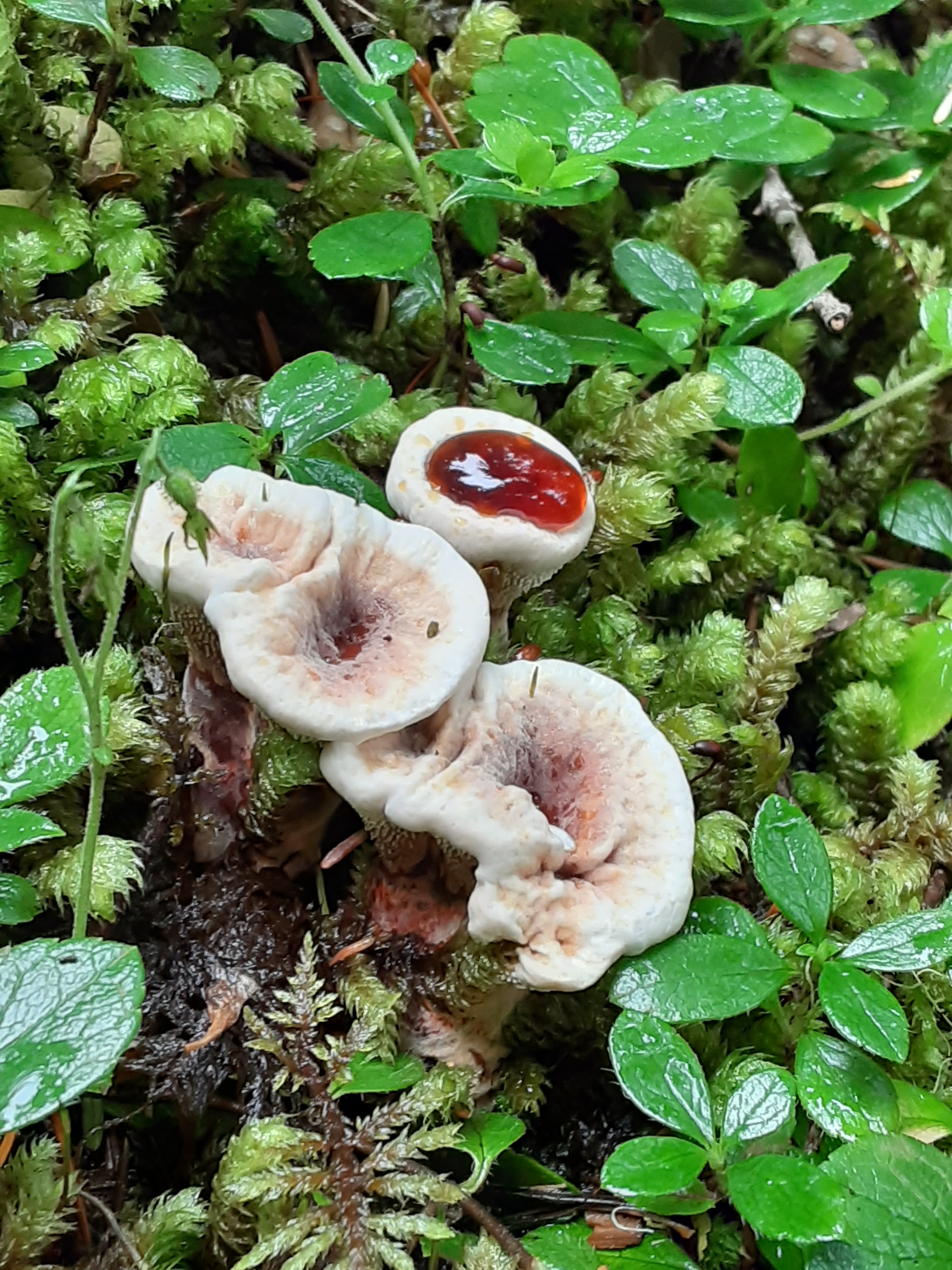
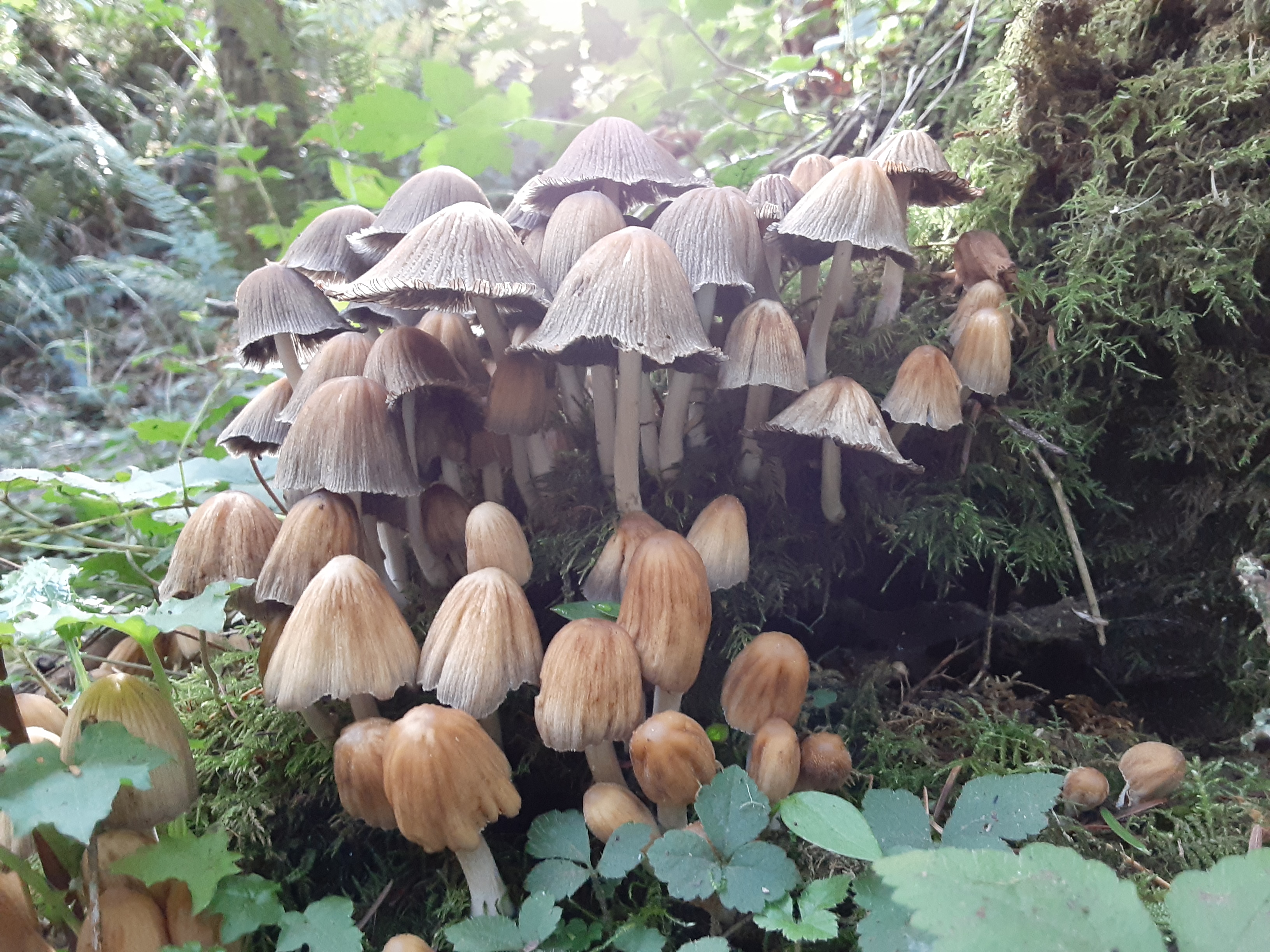
Top left: Ganoderma oregonese, Reishi, or hemlock varnish shelf (2015); middle left: morels, Morchella conica likely; top right: Boletus zelleri aka Zeller’s bolet; bottom left: Hydnellum peckii or bleeding tooth or strawberries and cream; bottom right: Mica or ink caps, Coprinellus micaceus (2019)
Mushrooms are the artwork of a much larger mycelial network; fruiting bodies to spread spores far and wide in the wind. They take on fascinating forms from caps, to funnels, to shelves, and more. Some of the colors mushrooms make can be just captivating!
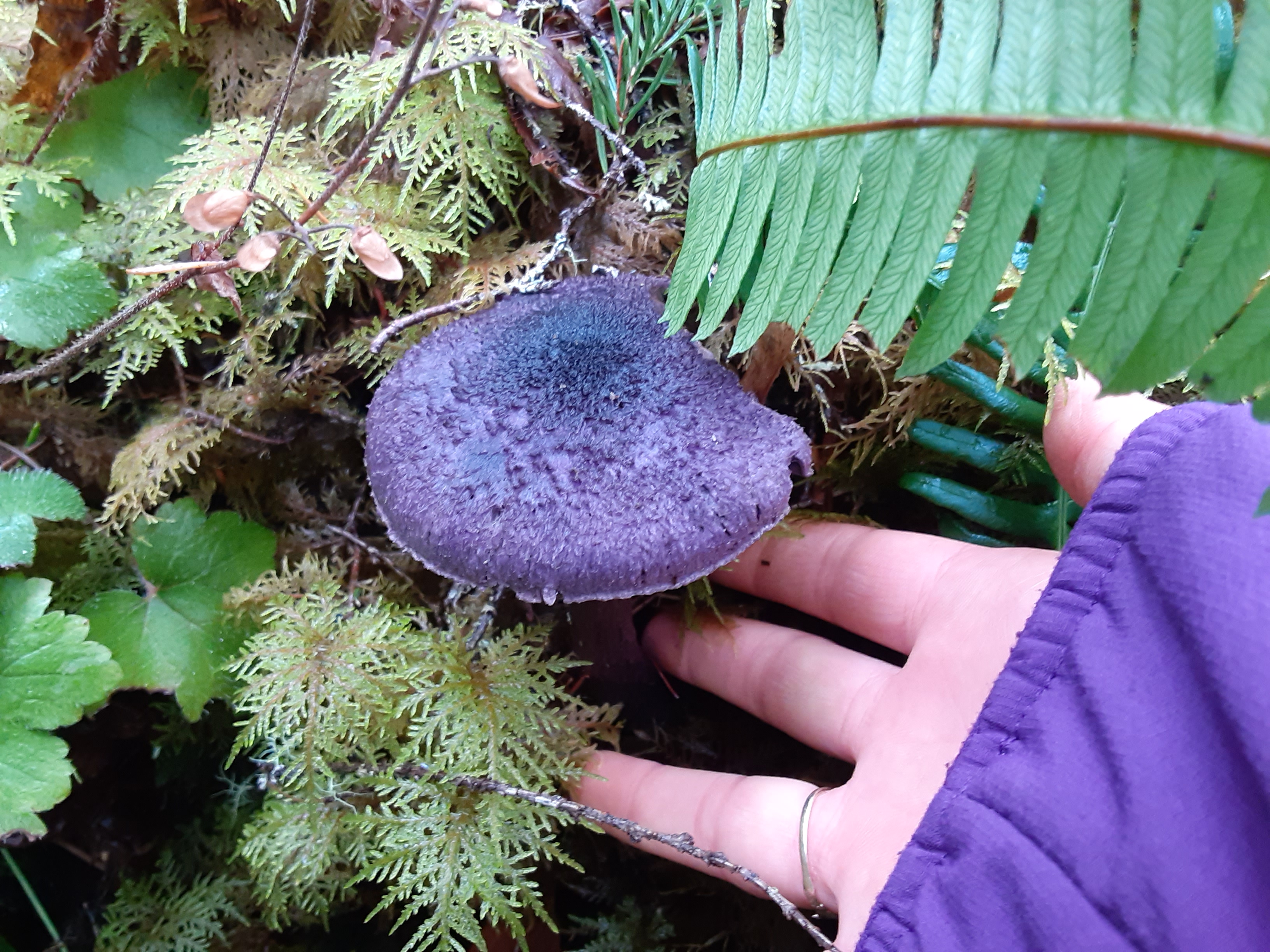
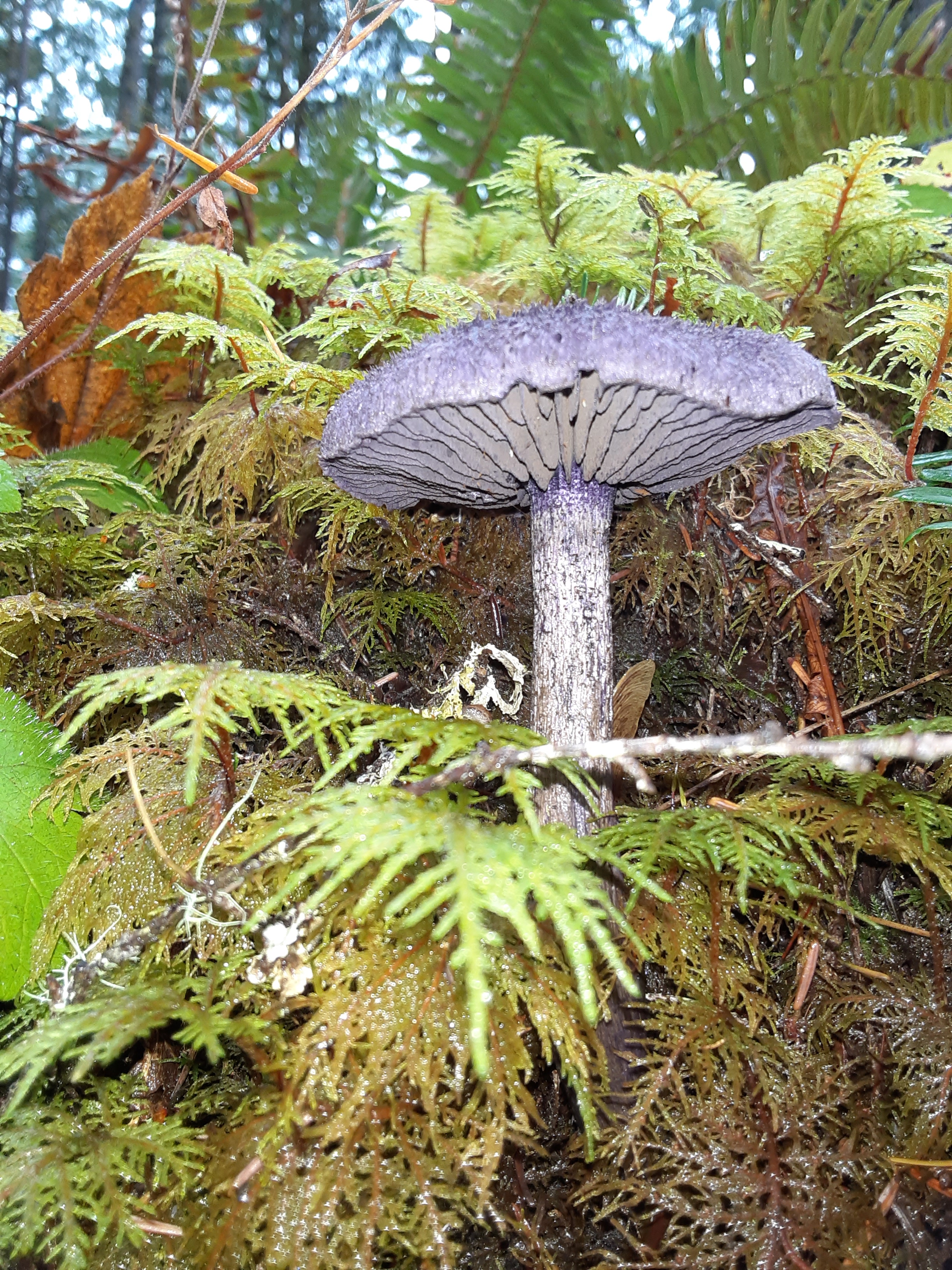
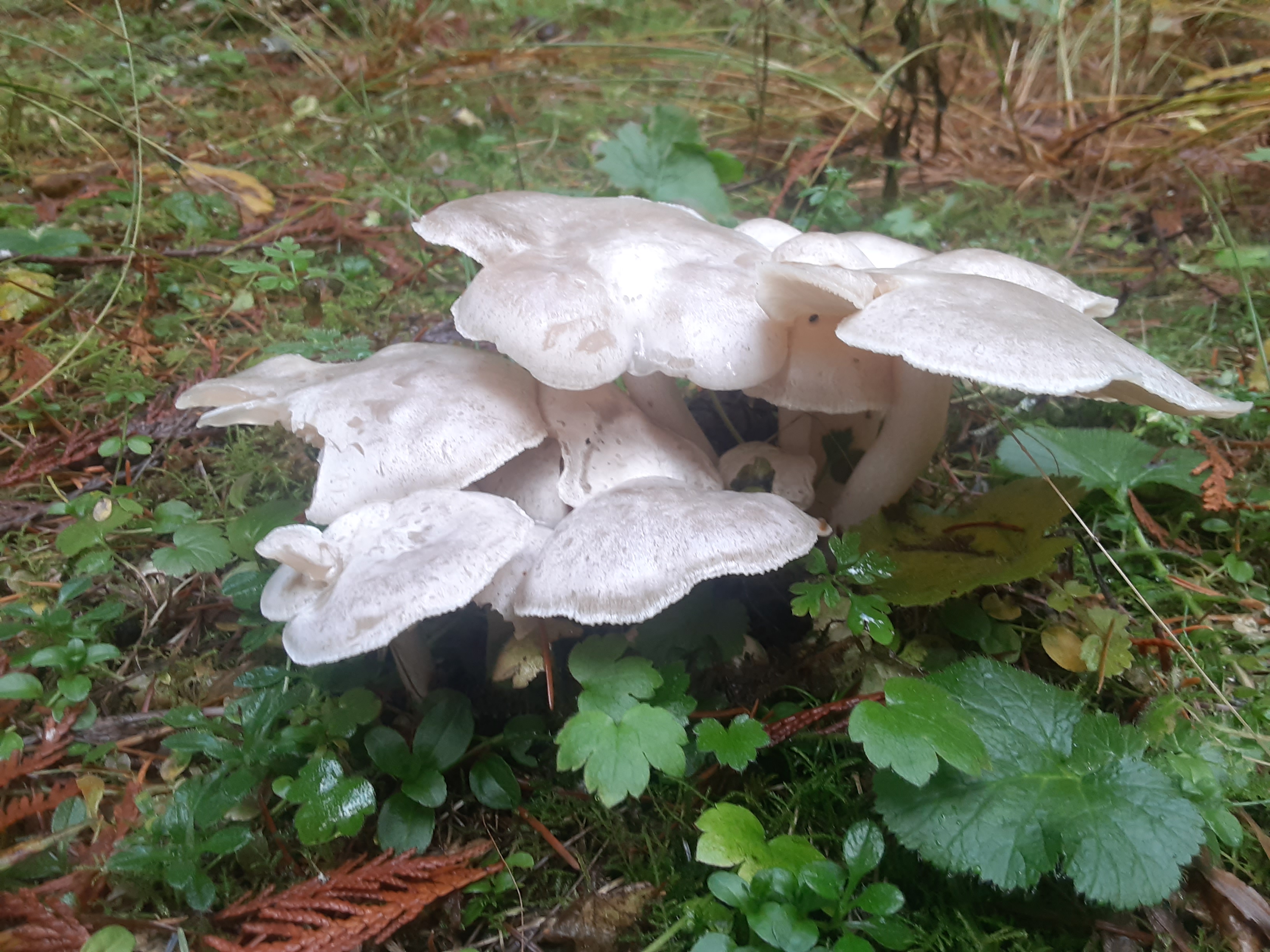
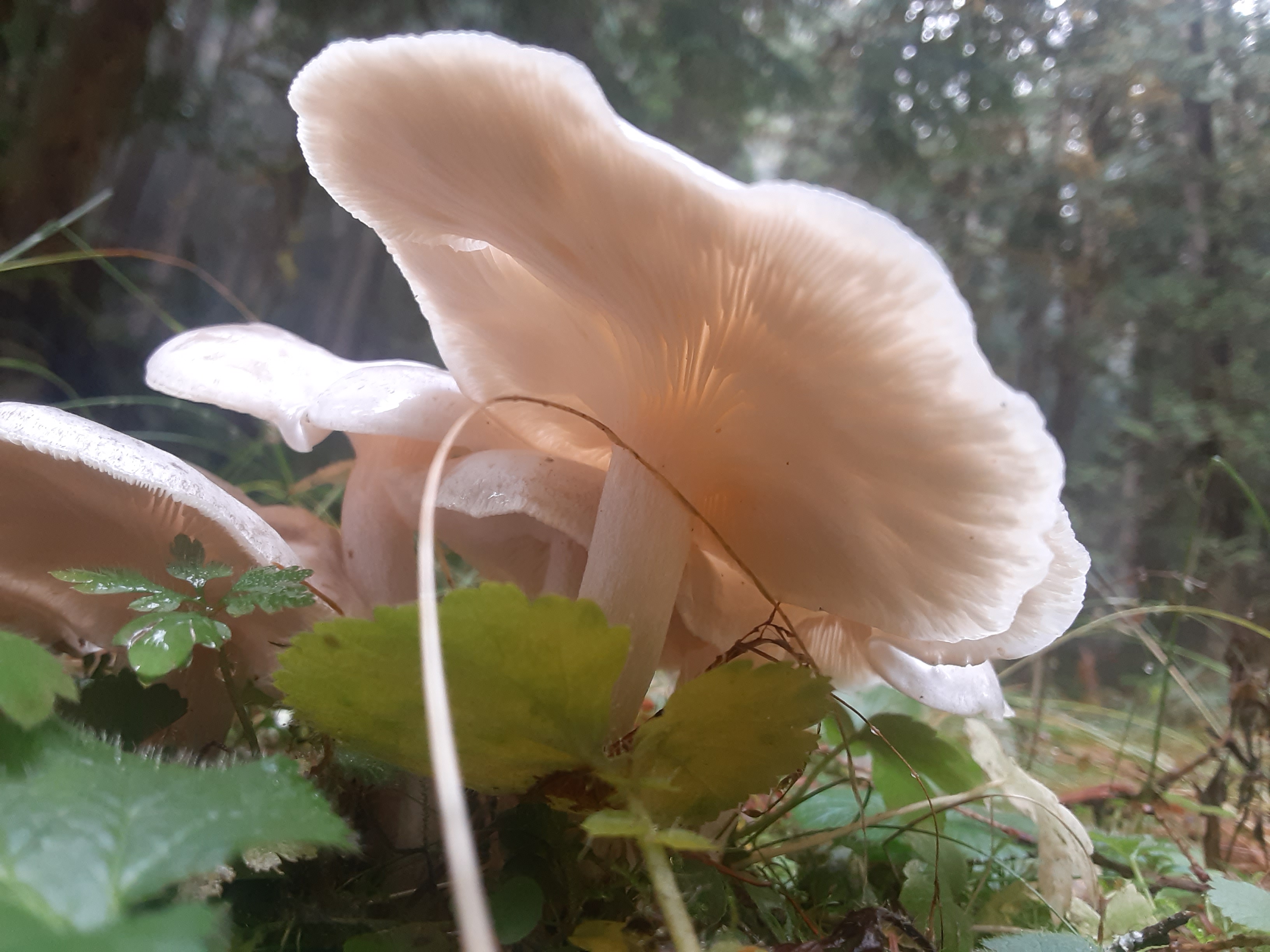
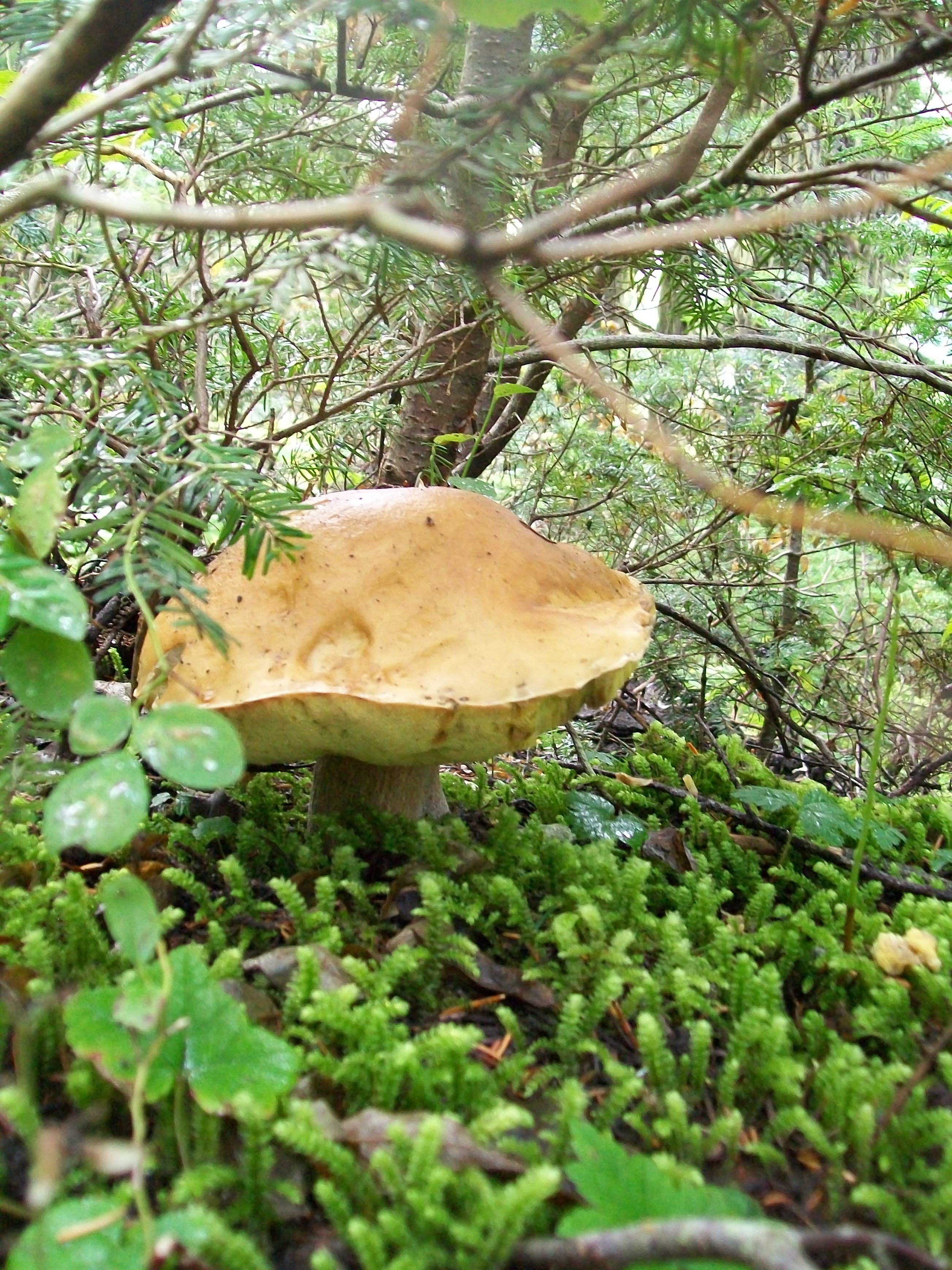
Top left and middle: Purple waxcap or Cortinarius violaceus with purple jacket for color comparison; top right/bottom left: a species of Clitocybe; bottom right: a beautiful Boletus edulis that was snatched by another hiker. The hard lesson with boletes is to pick them when you see them and not wait till you are hiking back to the car…they just scream tasty with their cute plump freshly baked bun look!
Lighting is everything and can make the shot. Though often where mushrooms are growing, it appears to be an enchanted fairy forest. Moss and ferns are often companions of abundance.
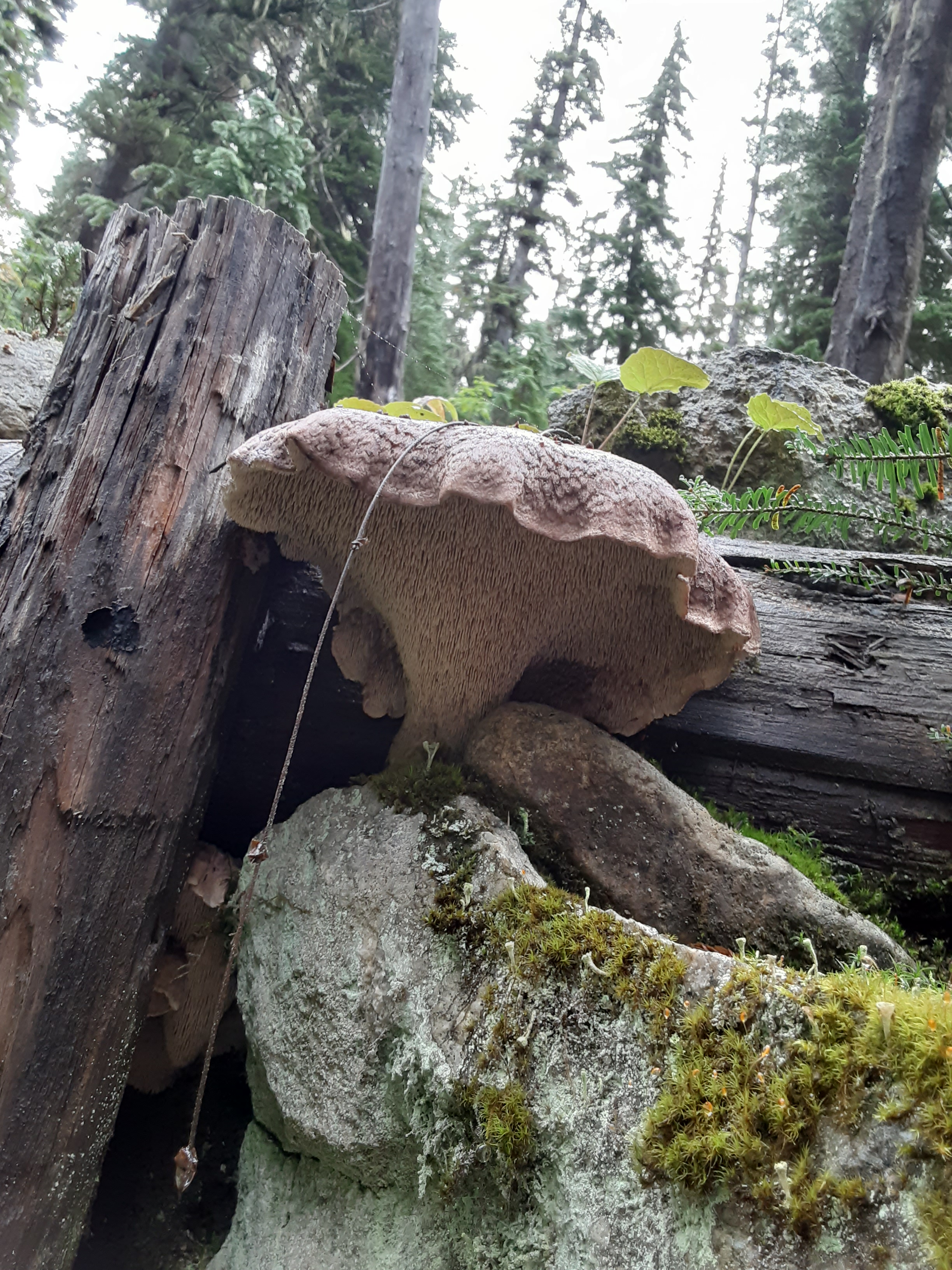
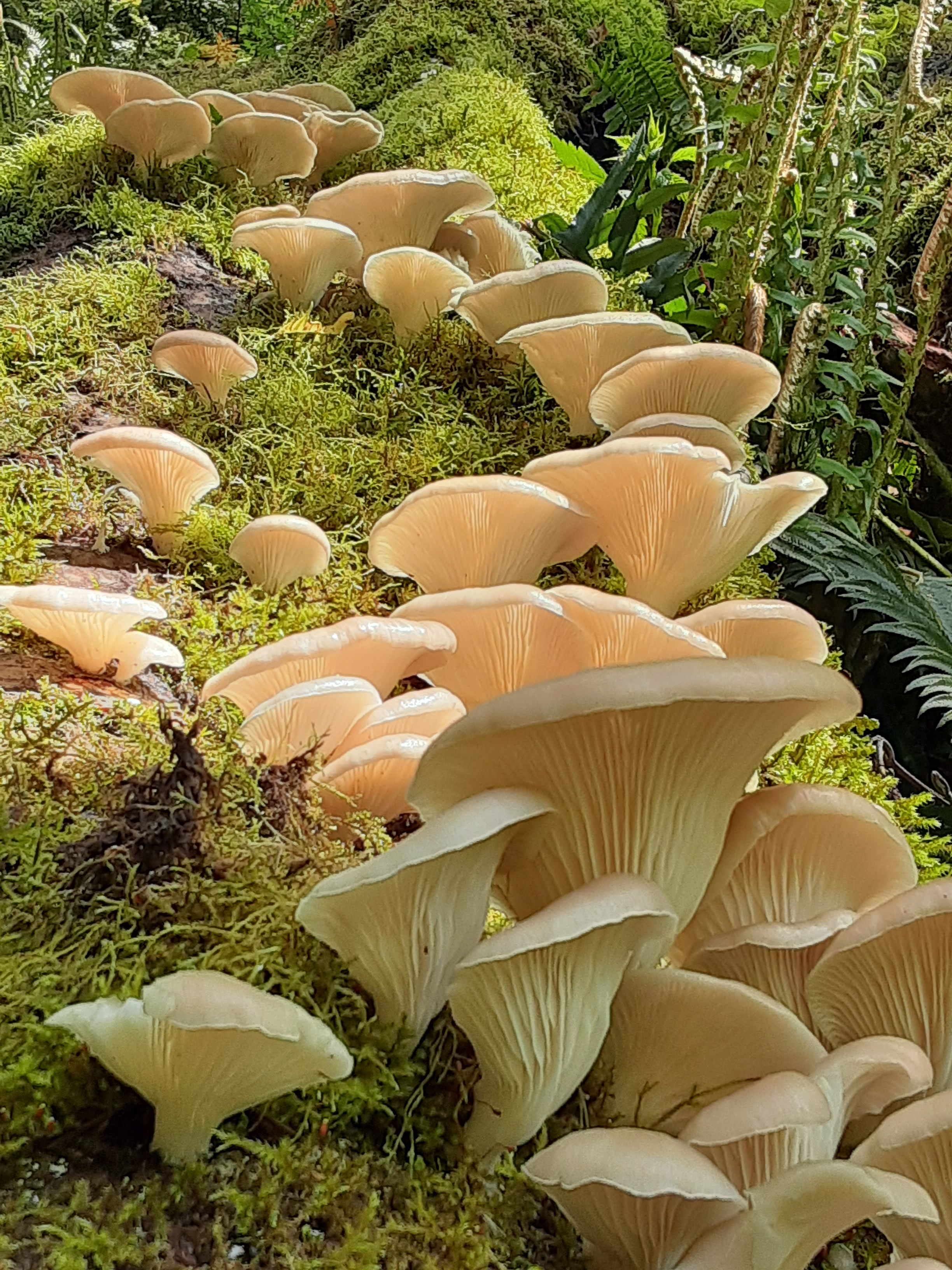
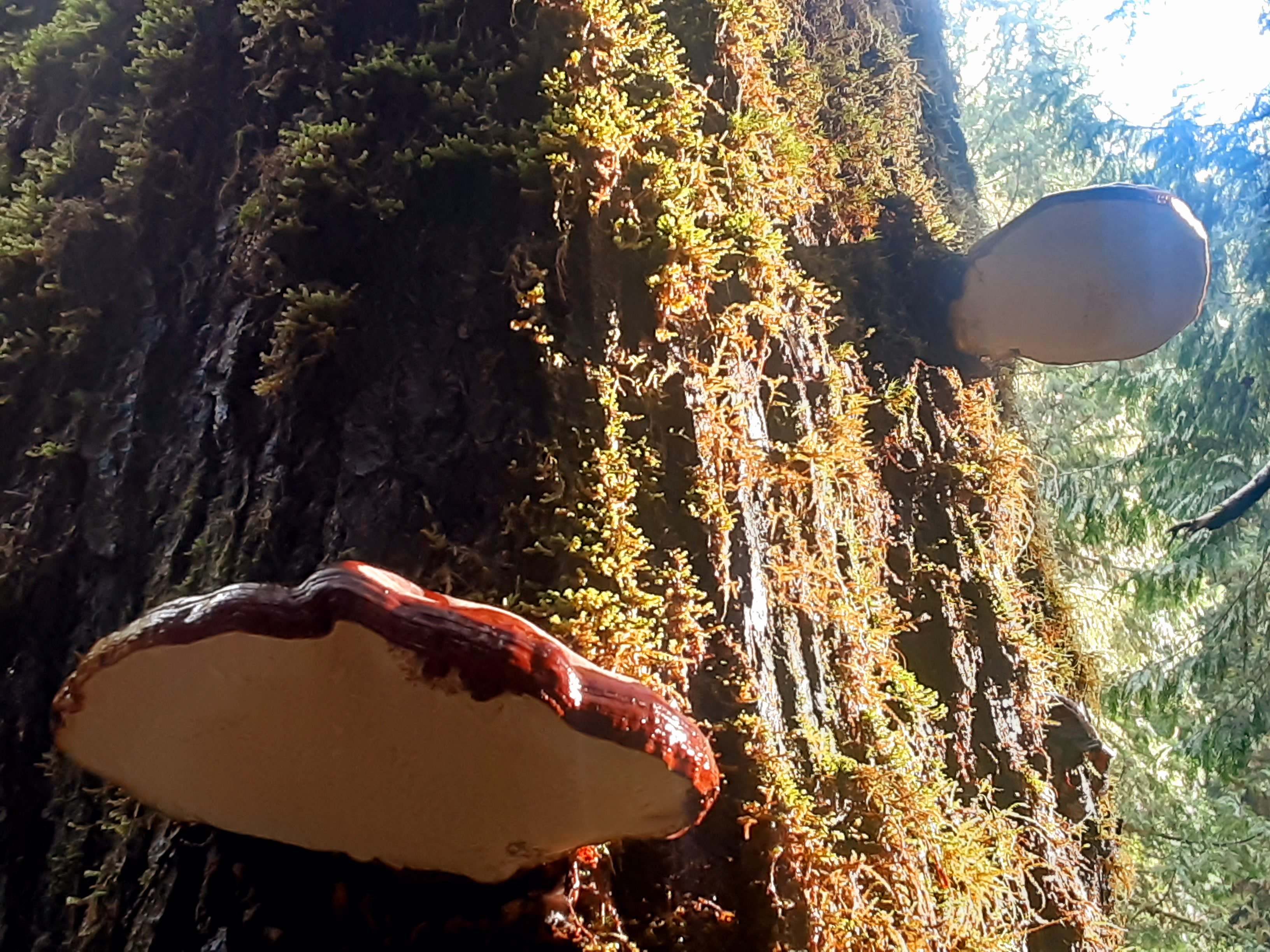
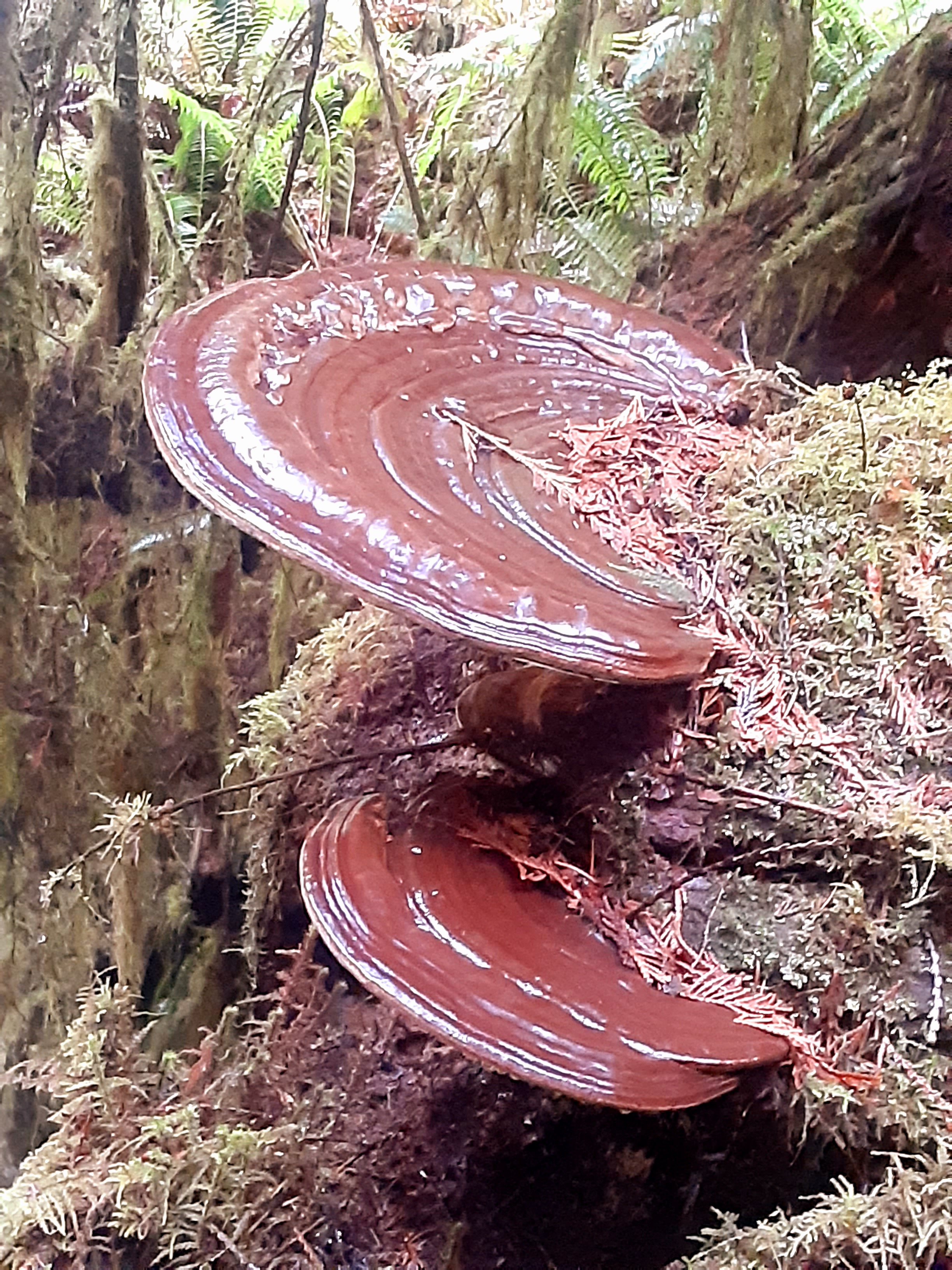
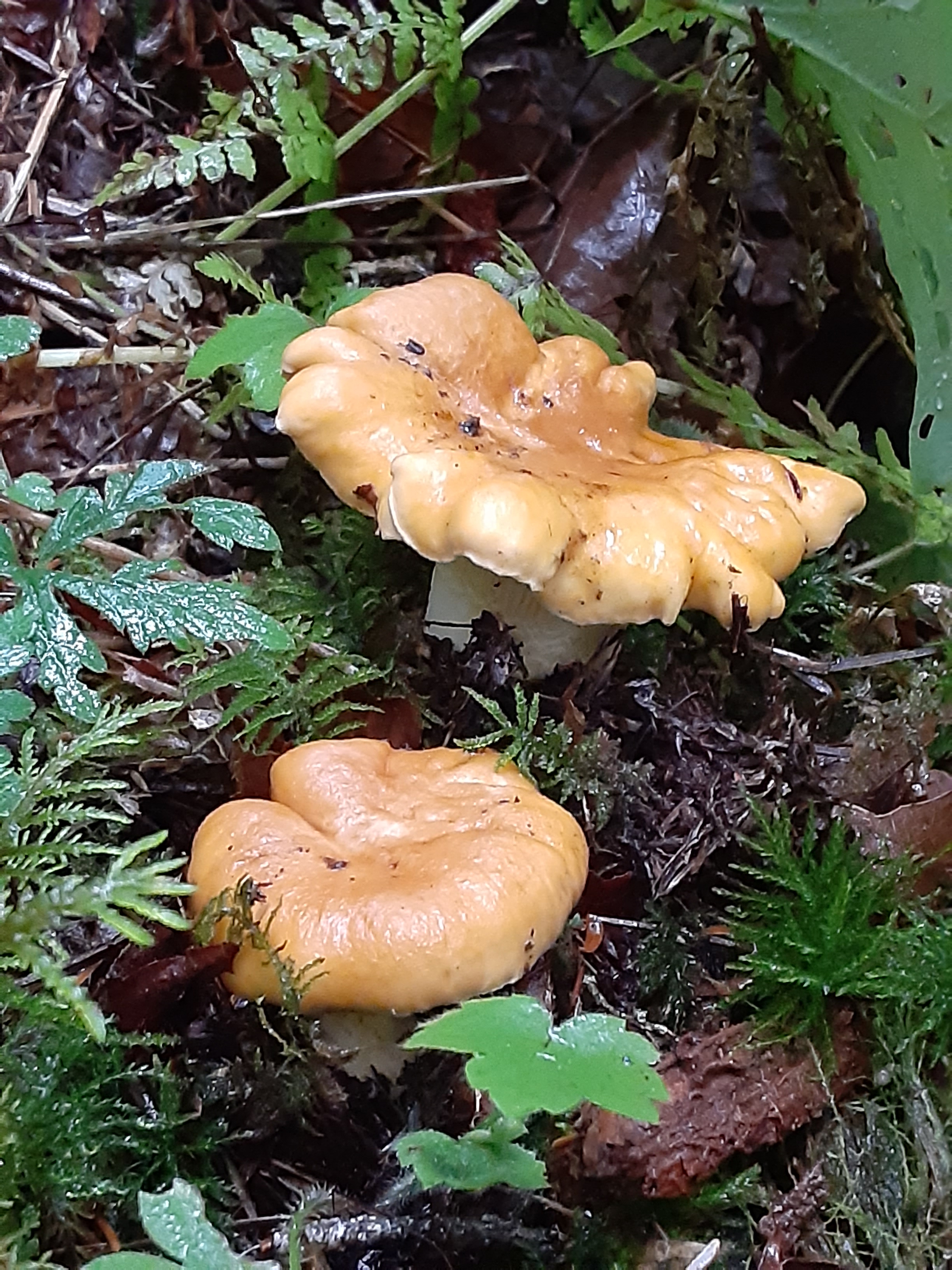
Top left: Sarcodon scabrosus or bitter hedgehog that is described as smelling like a bad fart; top right: Pleurotus populinus aka oysters on an alder log; bottom left: Reishi or Ganoderma oregonence; bottom middle: possibly another type of reishi; bottom right: chanterelles, likely C. cascadensis due to chunkier nature
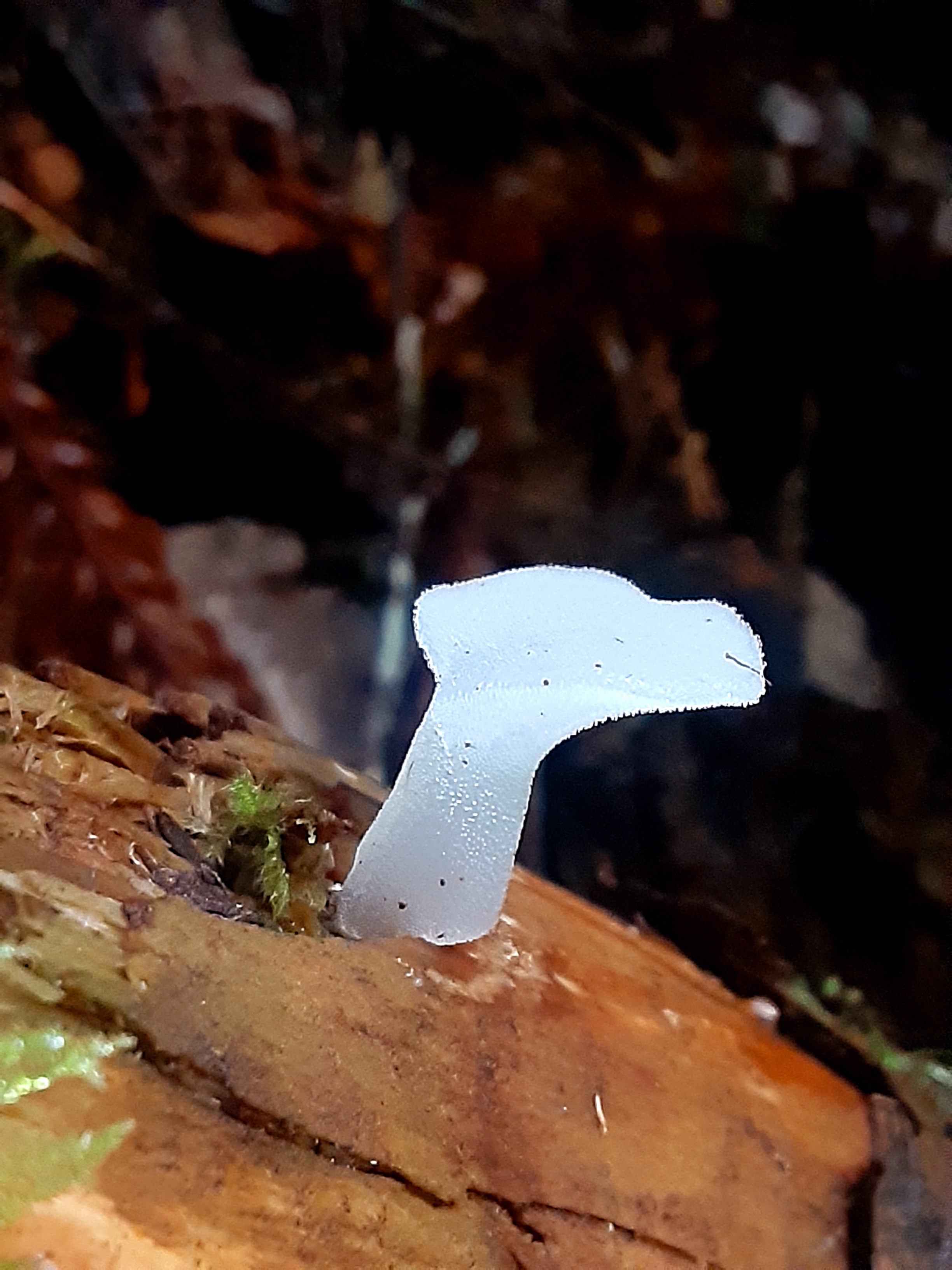

Pseudohydum gelatinosum: toothed jelly or cat’s tongue or false hedgehog or white jelly mushroom. These look like they should glow in the dark, alas, they do not. Apparently people like to candy these. Gummy shrooms anyone?
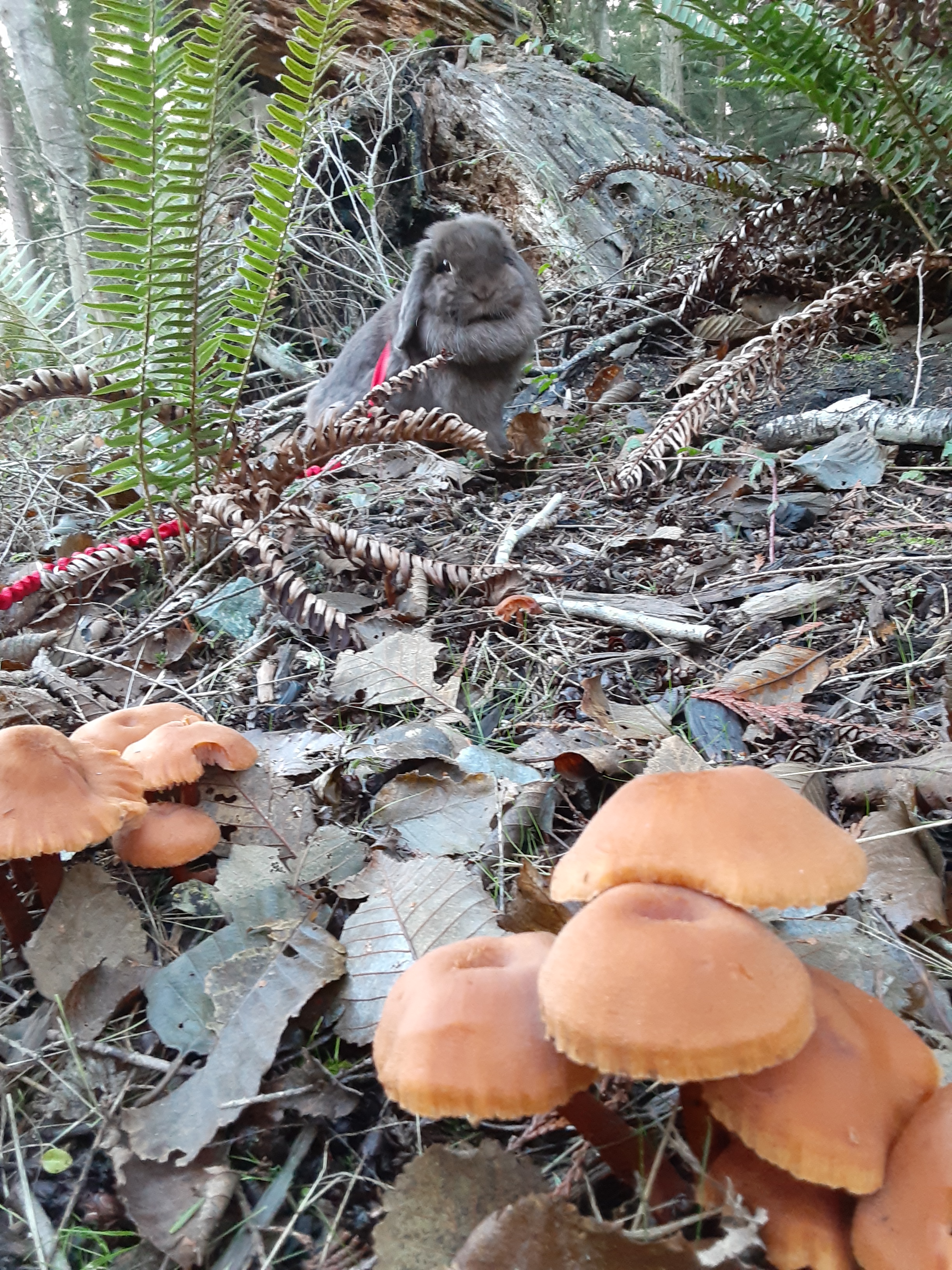
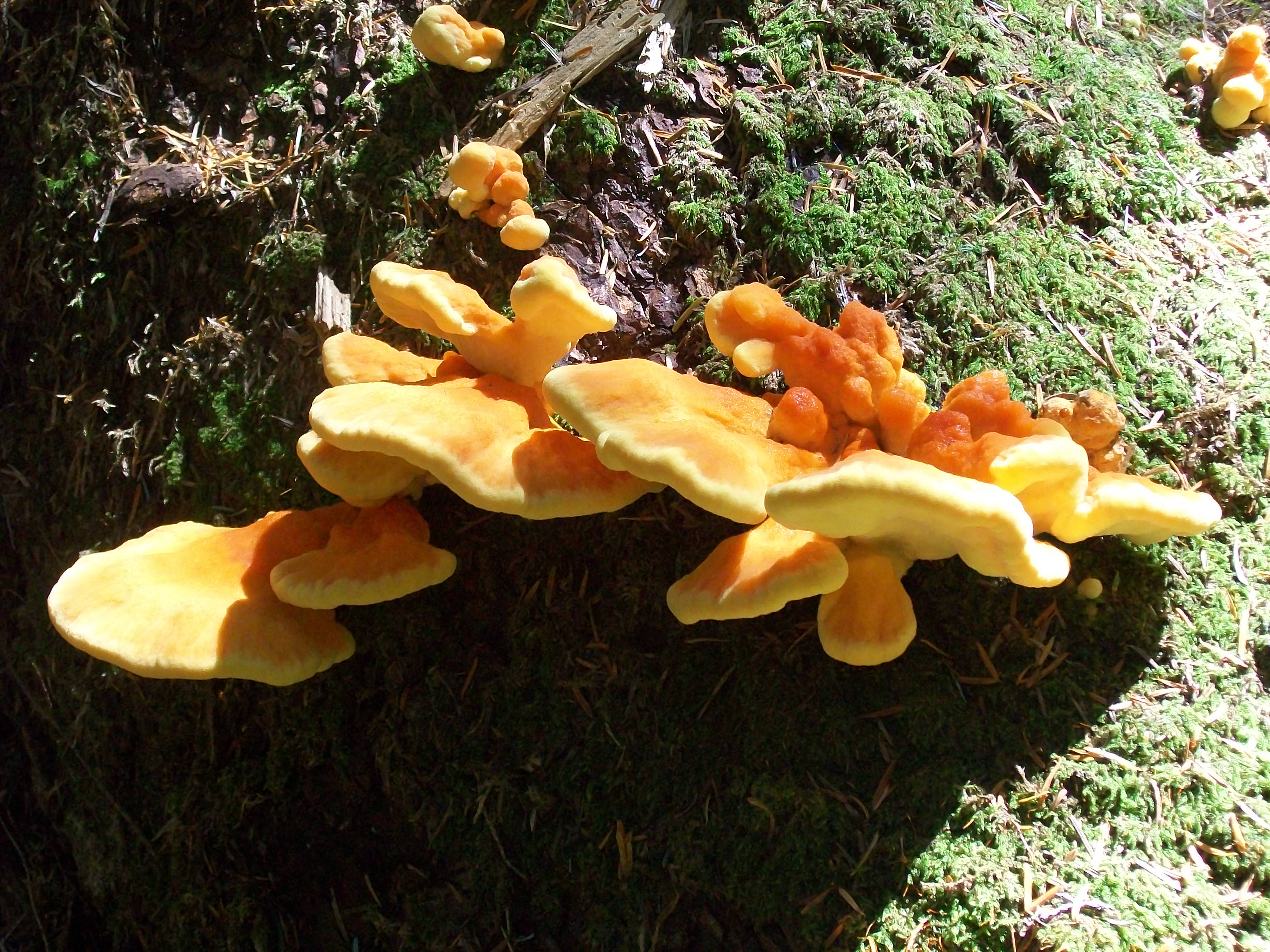
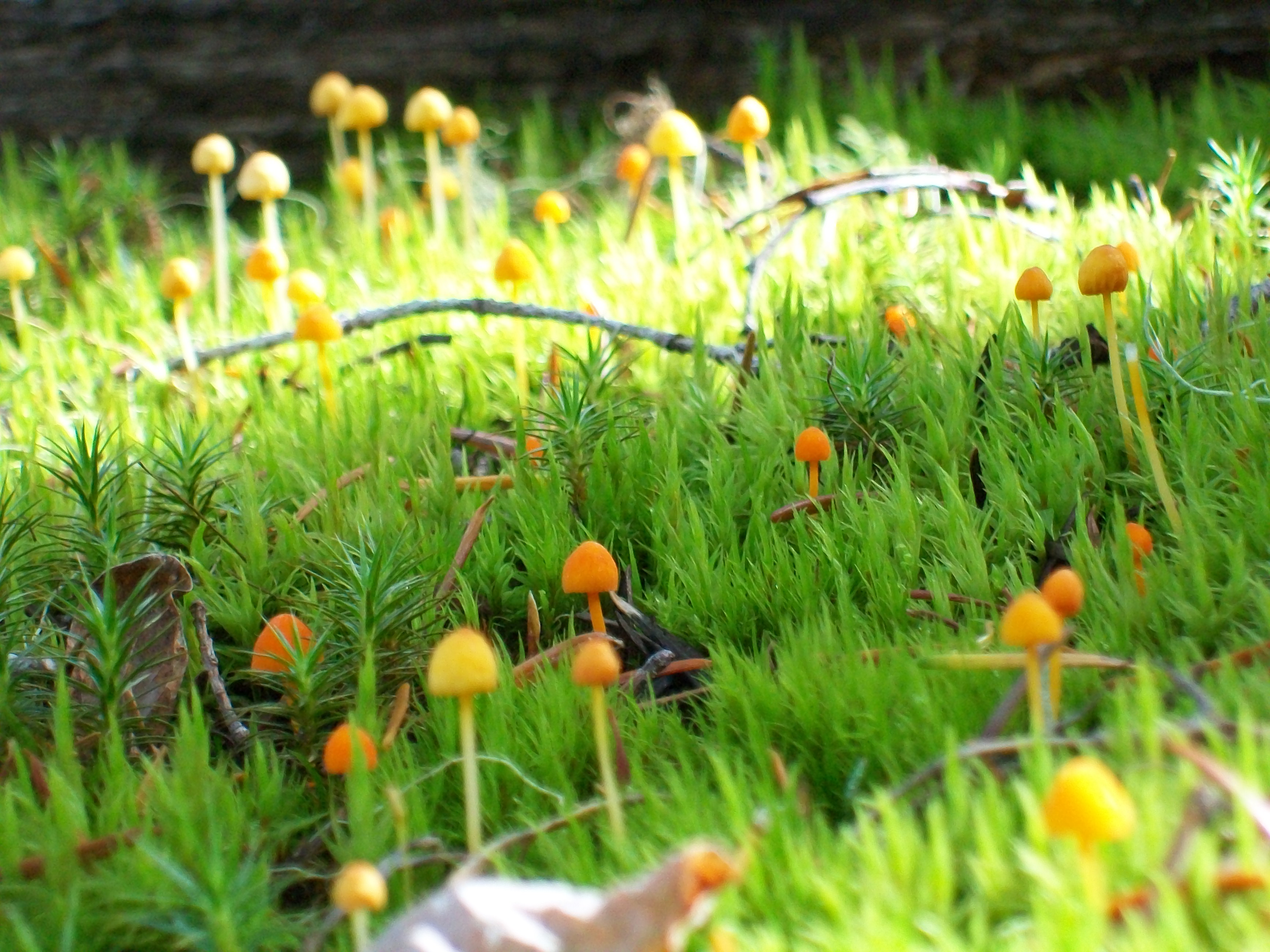
Orange is the theme: left: possibly a Laccaria bicolor with CoCo in the background; top right: Lactiporus conifericola aka Chicken of the Woods; bottom right: possibly Mycena strobilinoides or one of many types of fairy bonnets seen popping out of the duff and mosses.
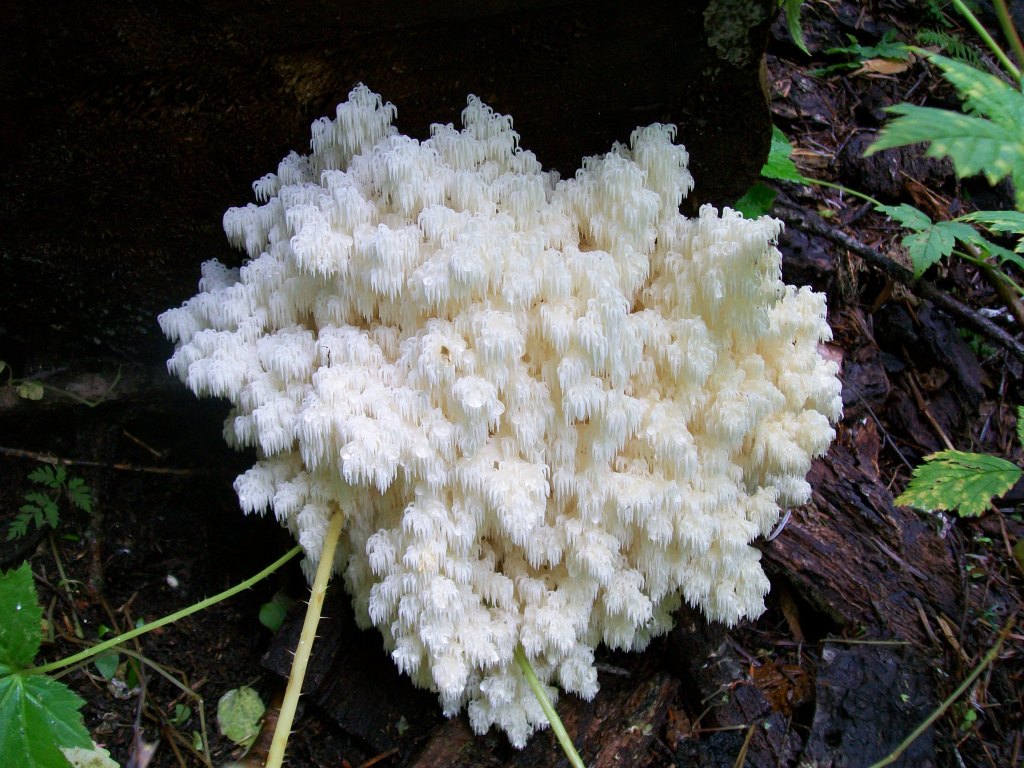
Above: A sweet heart shaped Lion’s Mane (Bear’s Head) with Latin name Hericium abietis 2019
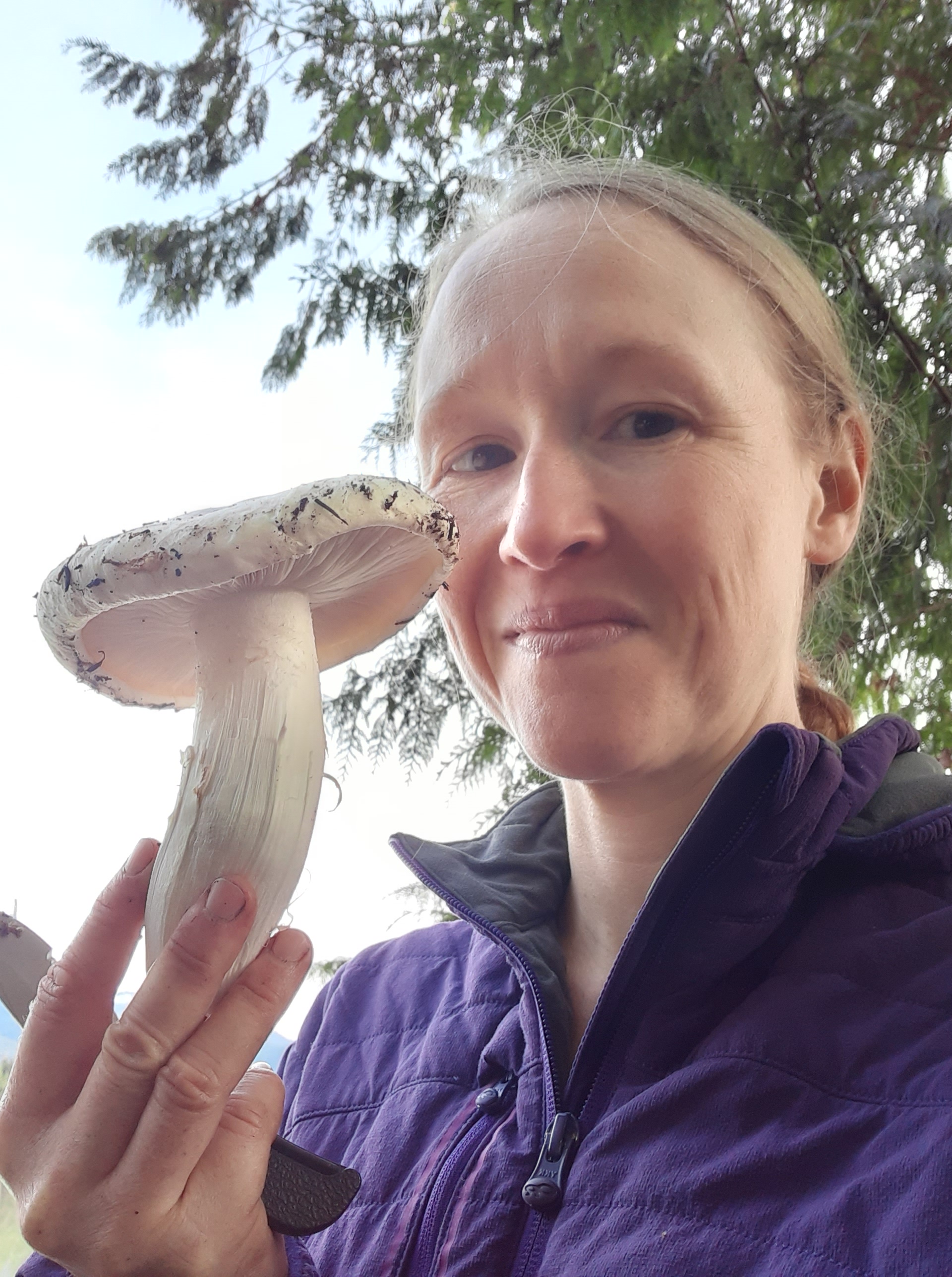
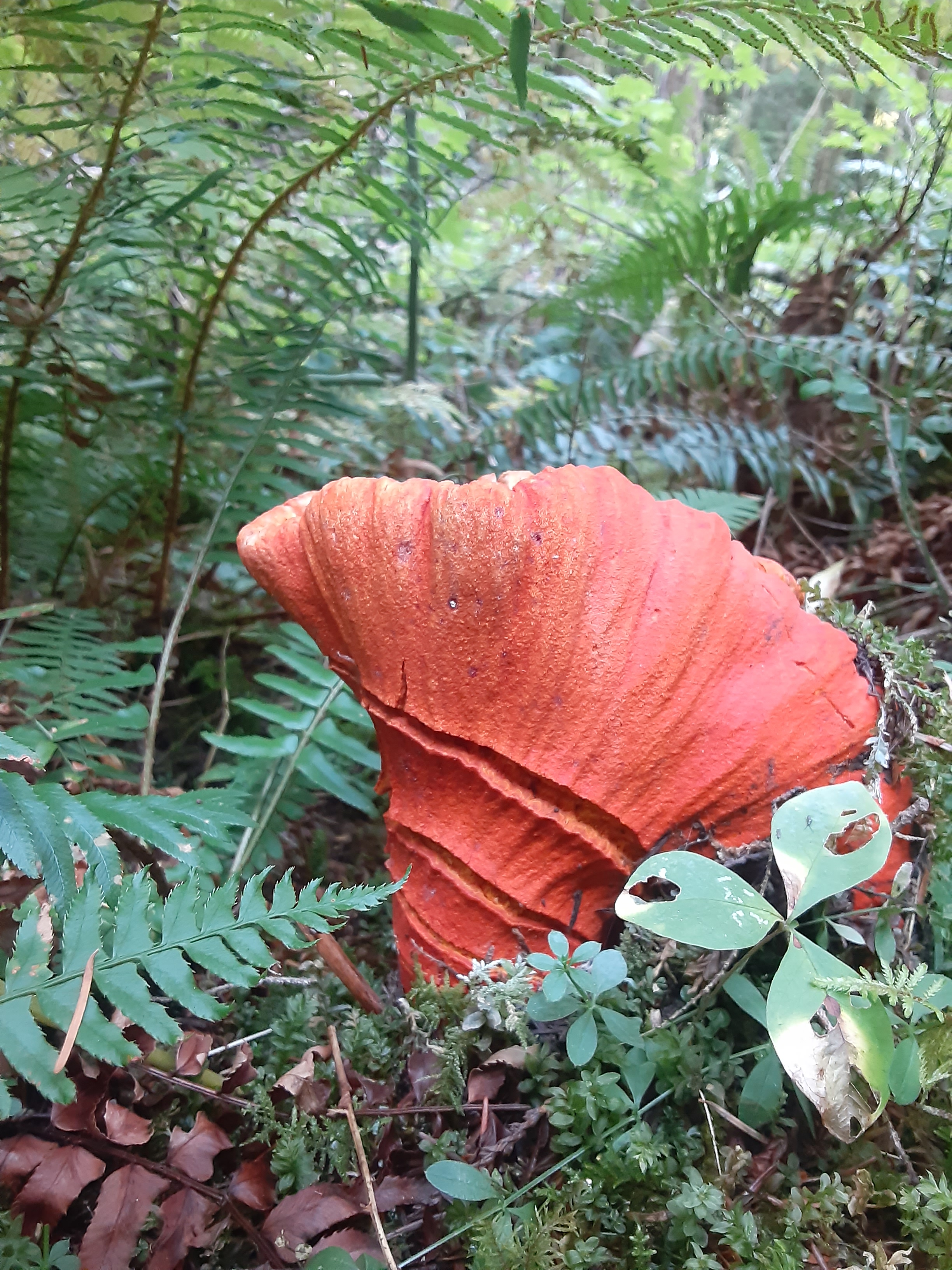
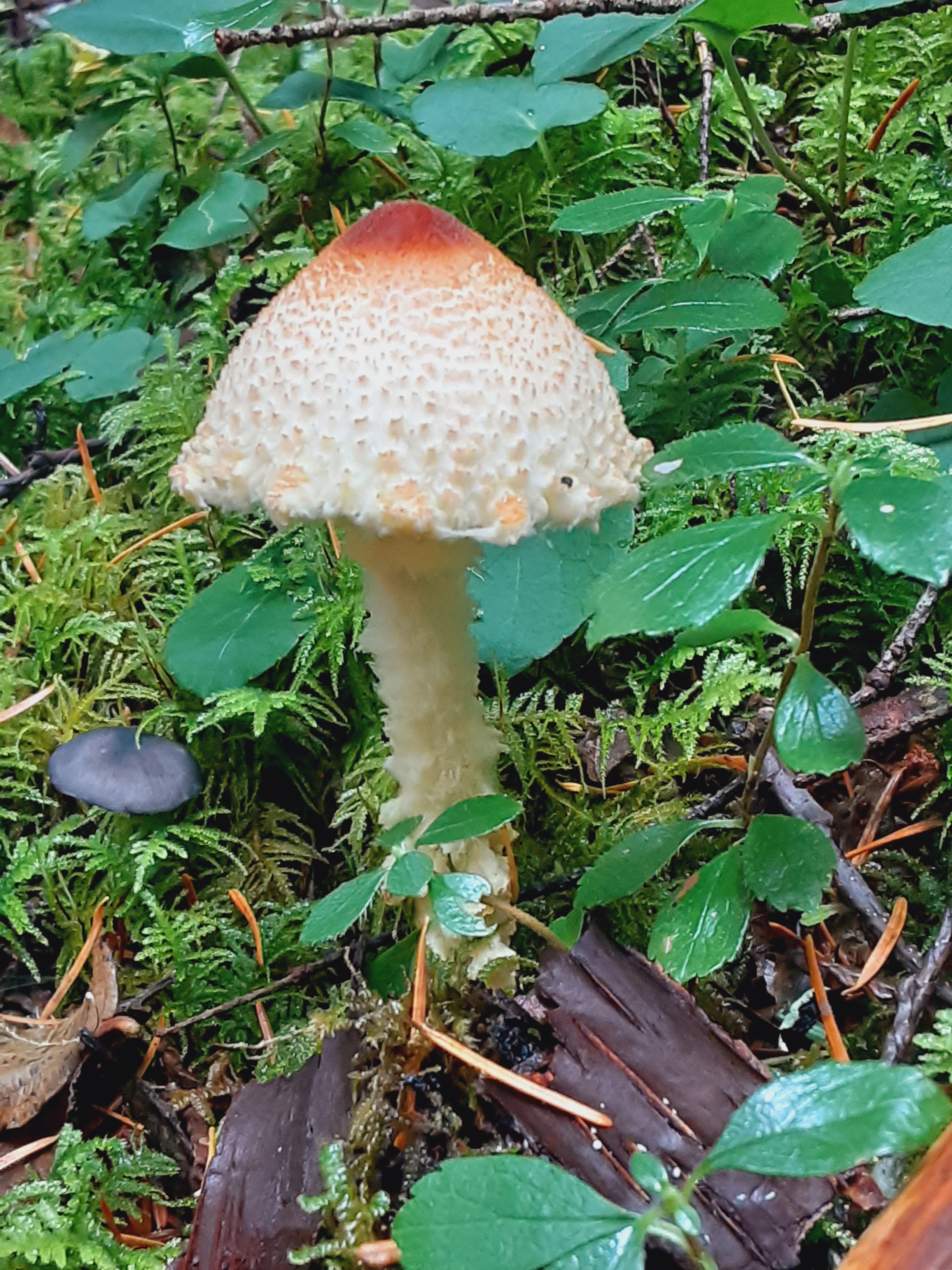
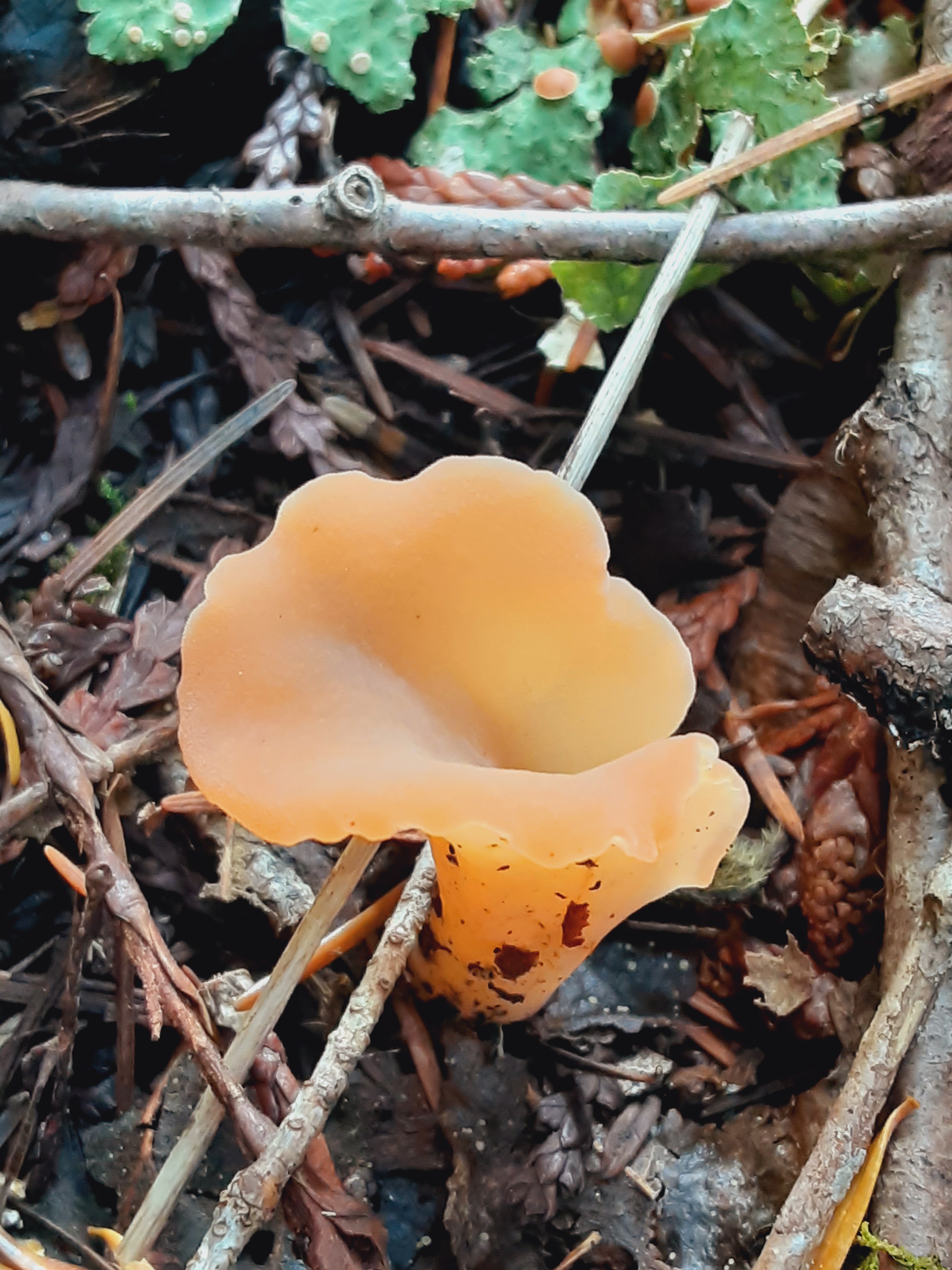
Top left: Pleurocybella porrigens or Angel Wings; top middle: Tricholoma magnivelare or Matsutake; top right: a monster sized Hypomyces lactifluorum or Lobster; bottom left: a shaggy Lepiota magnispora; bottom right: Guepinia helvelliodes aka a super adorable apricot jelly fungi
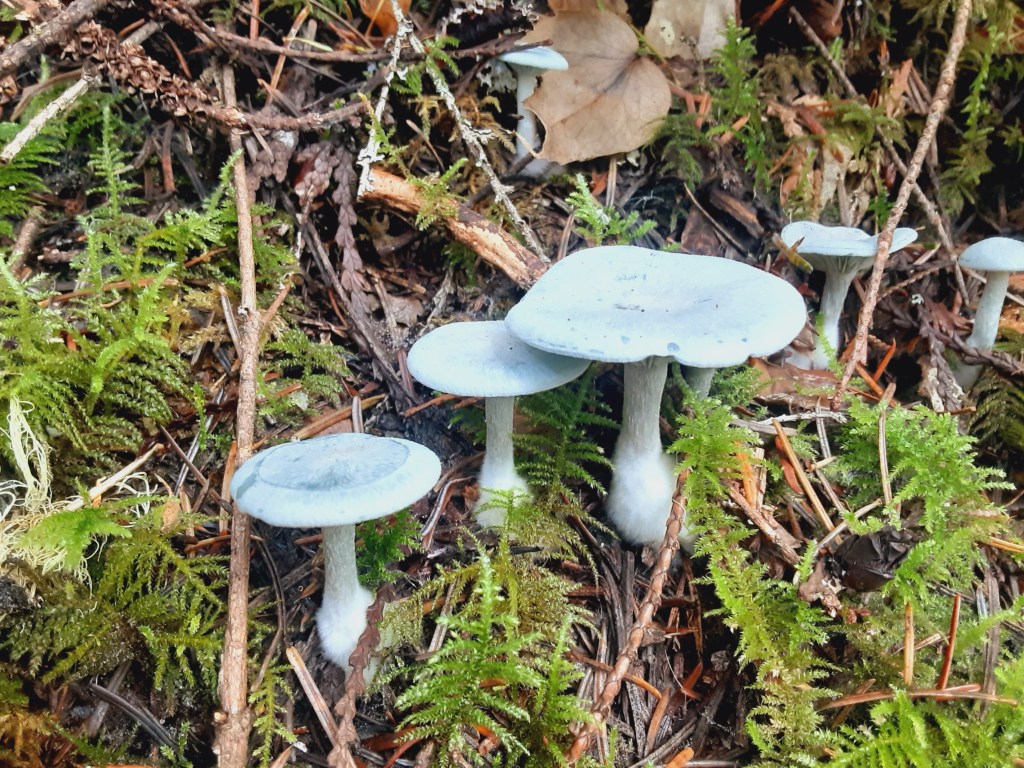
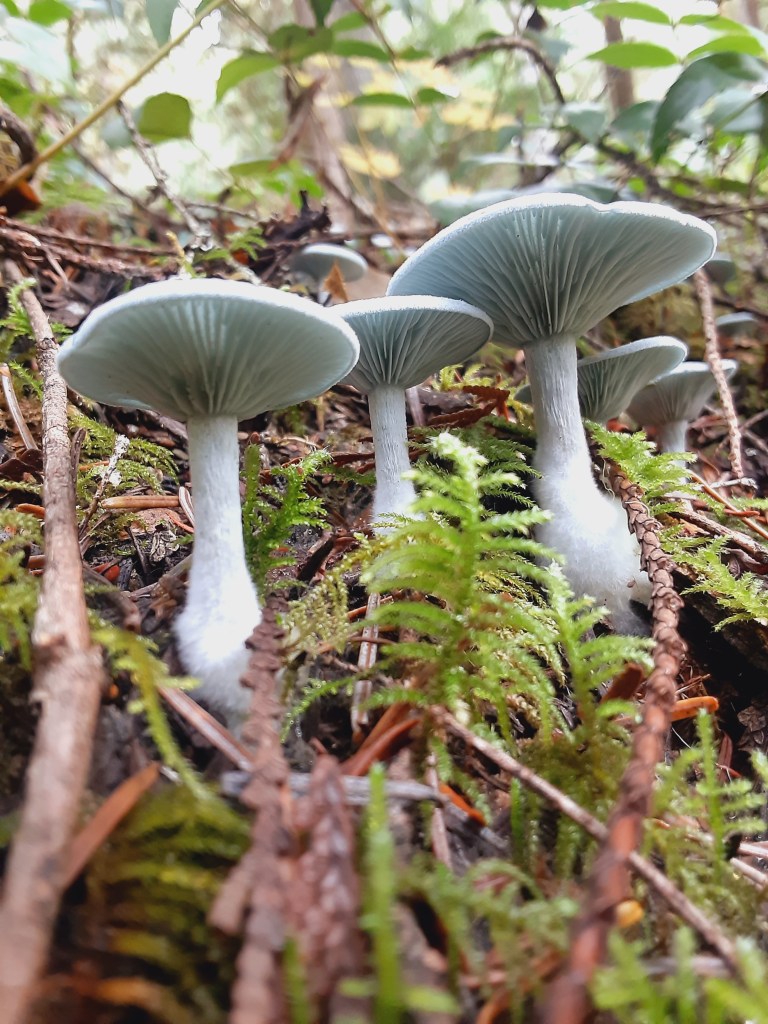
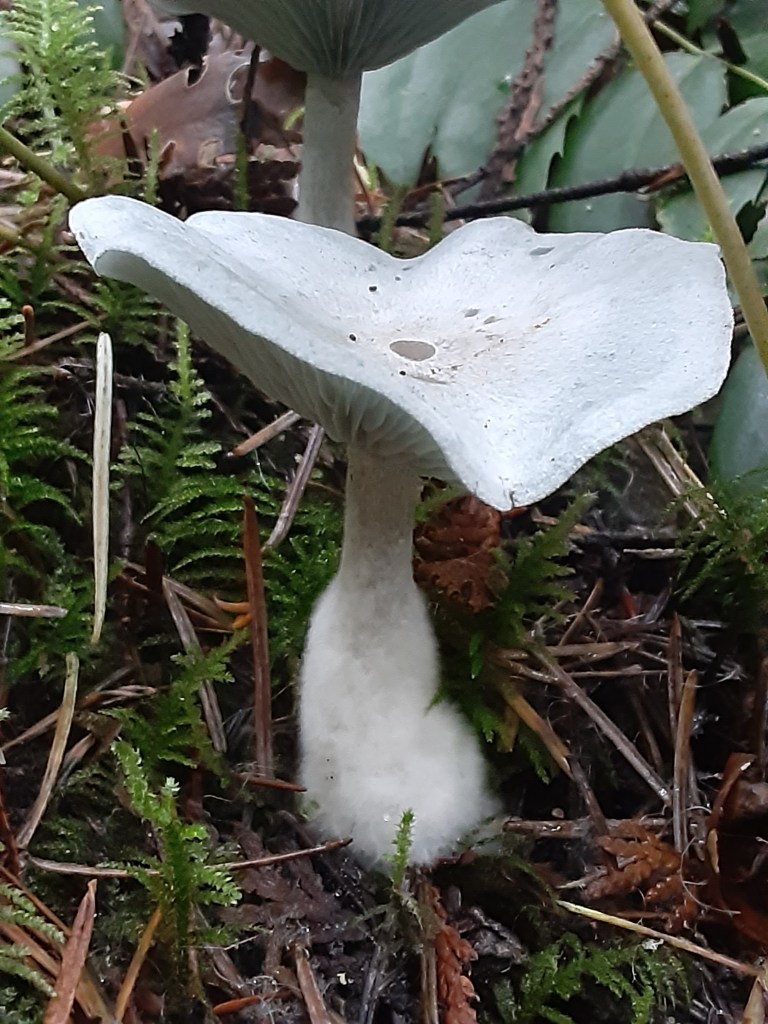
This set is of Anise seed Caps! The pale blue coloring with the fuzzy mycelium base had me in a state of photographers joy hopping around in delight at their enchanting adorableness. The Latin name for these beauties is Clitocybe odora. I did not harvest any of these, for the colony was just too magical.
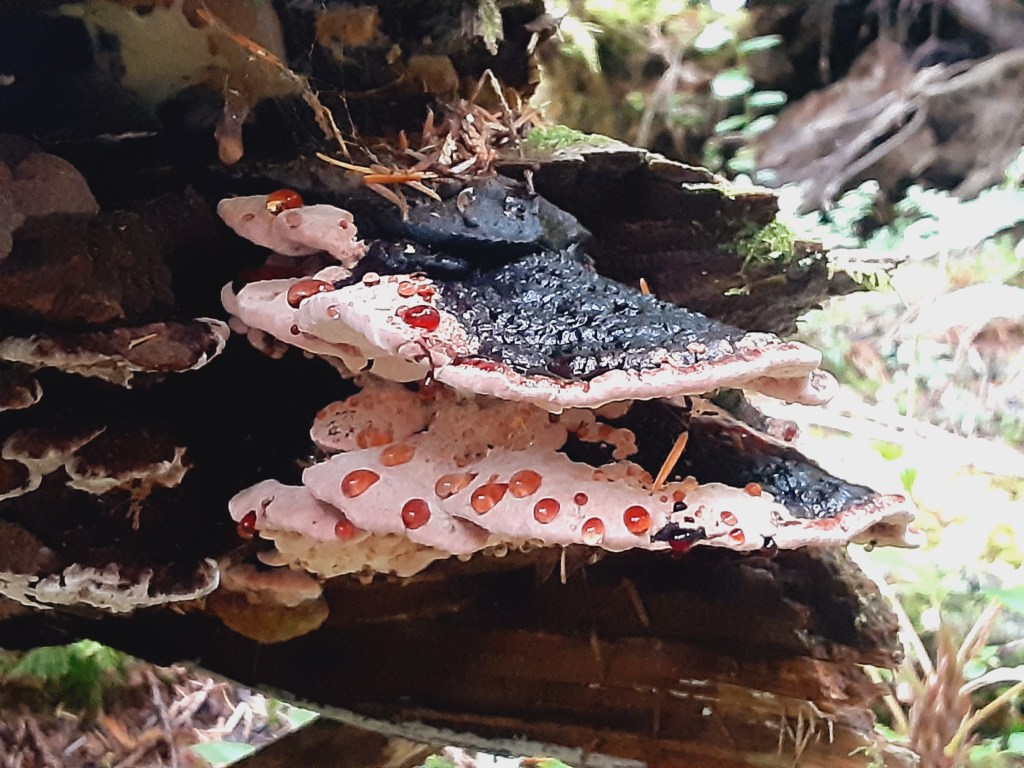
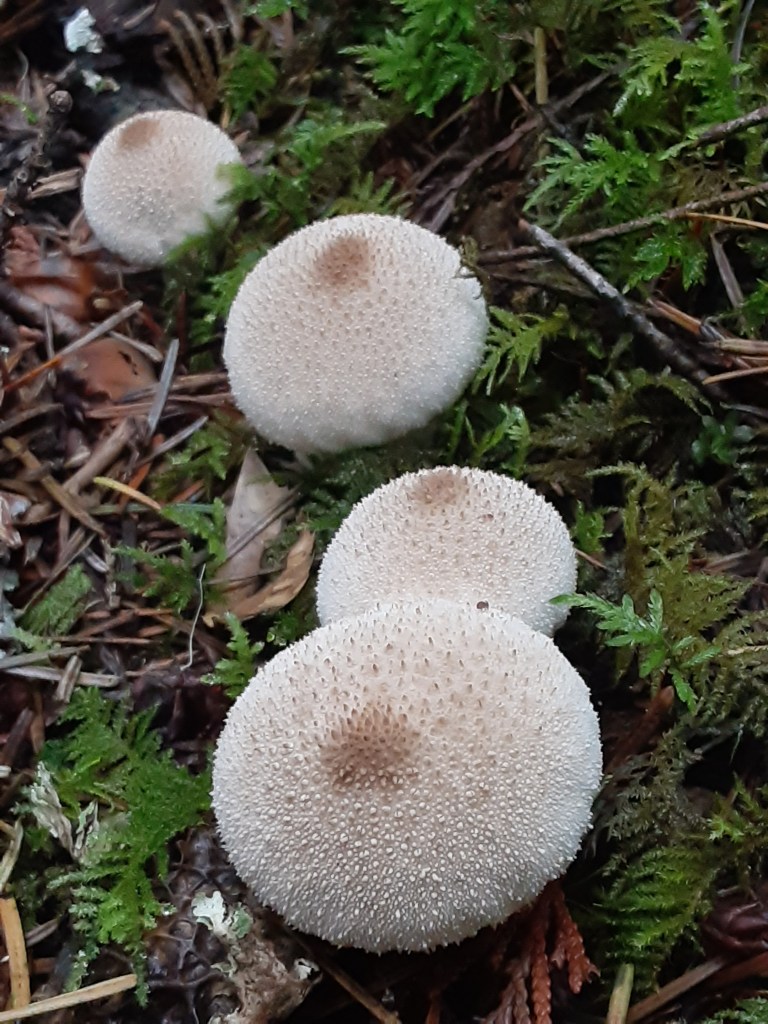
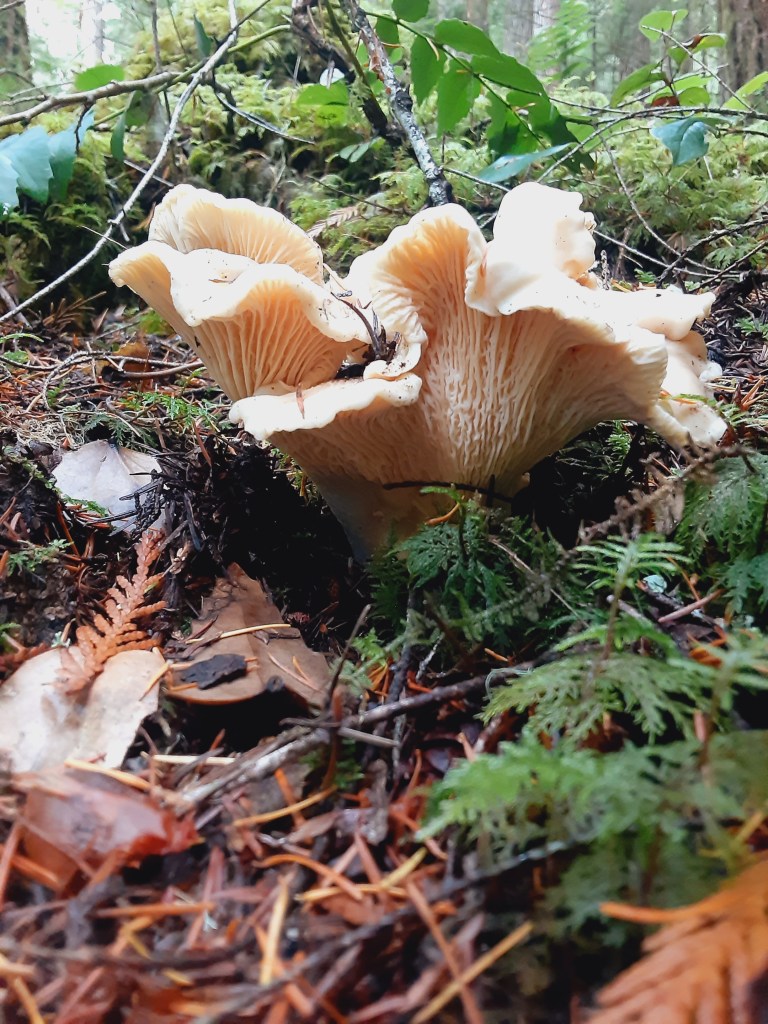

Top left: Rosy polypore or Fomitopsis cajandari; top middle: Lycoperdon perlatum or puffballs; top right: Cantharellus subalbidus aka white chanterelle; and bottom: a humongous chanterelle that is possibly a Cantharellus californicus! They are quite tenacious to harvest and this lovely heart shaped specimen stayed put. Sometimes pictures are the only thing you take with certain mushrooms, even the super yummy ones.
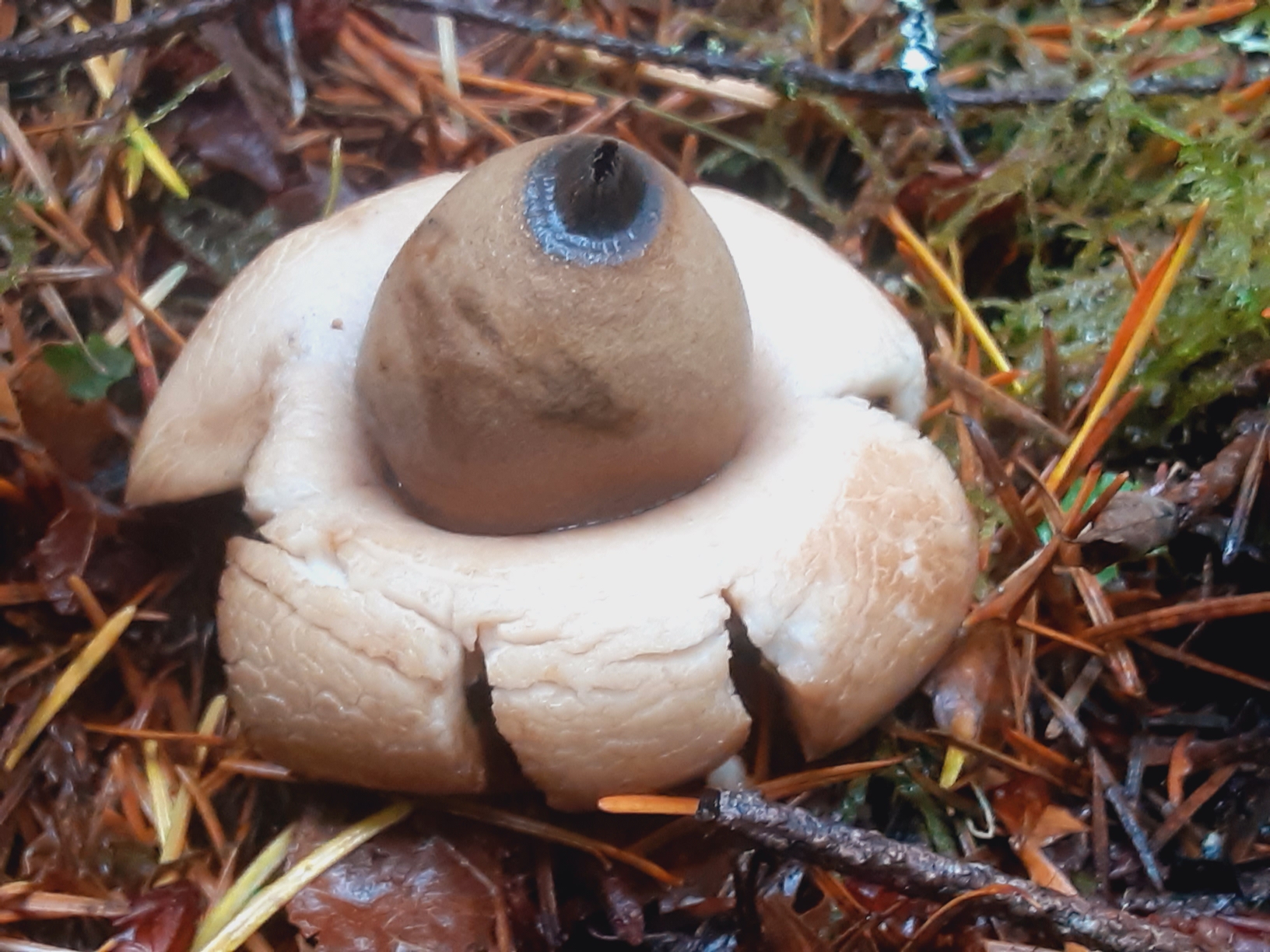
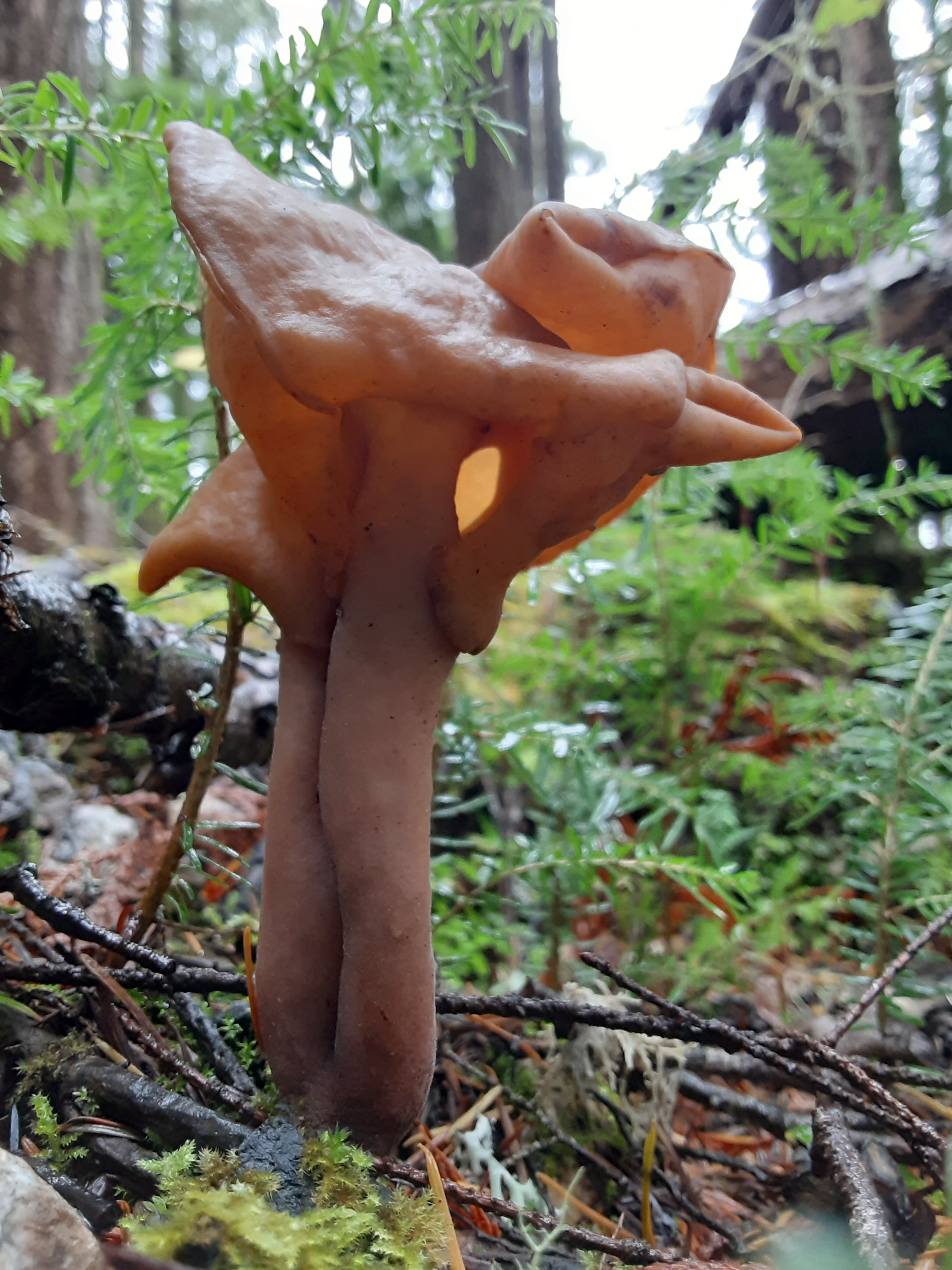
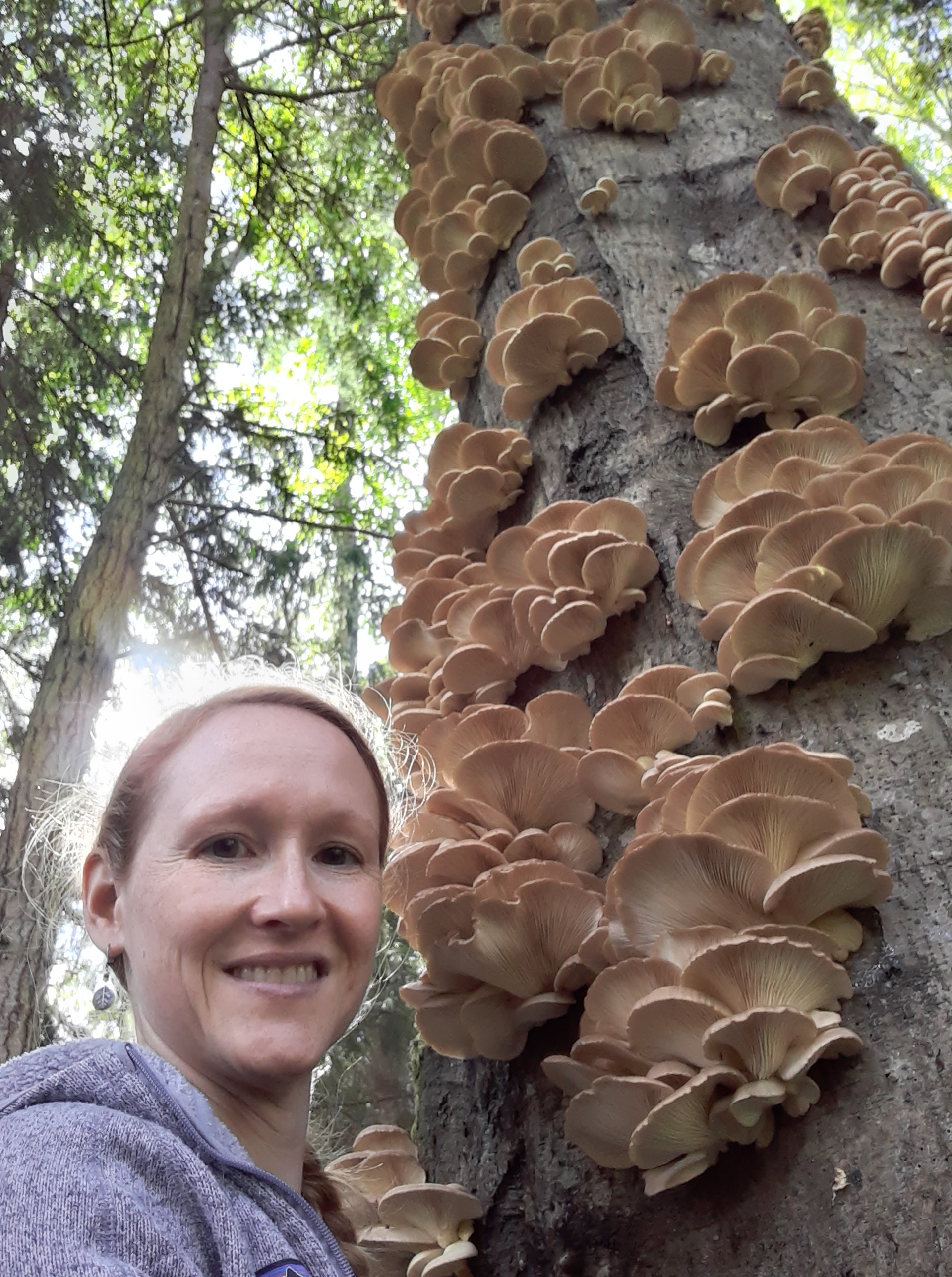
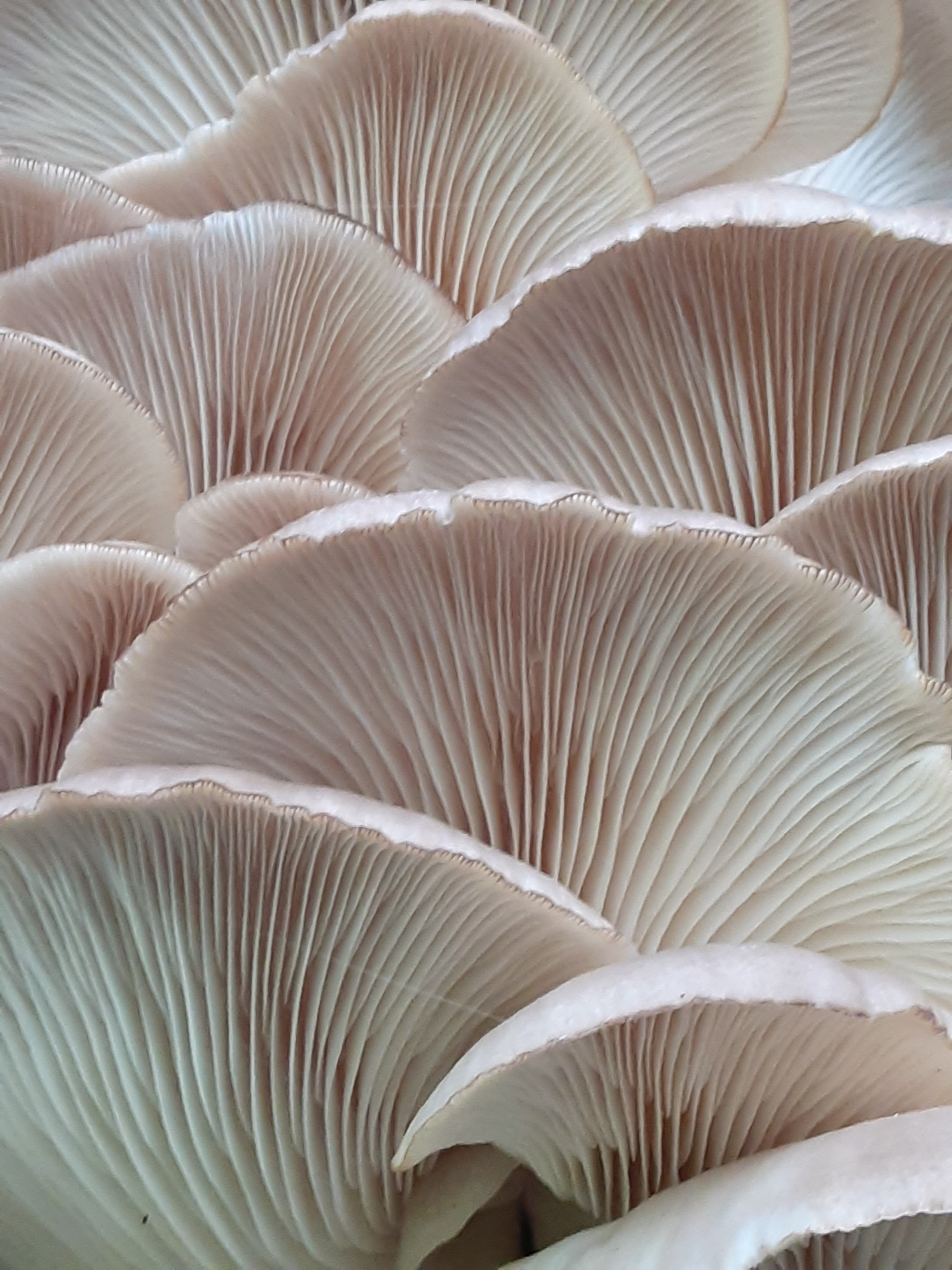
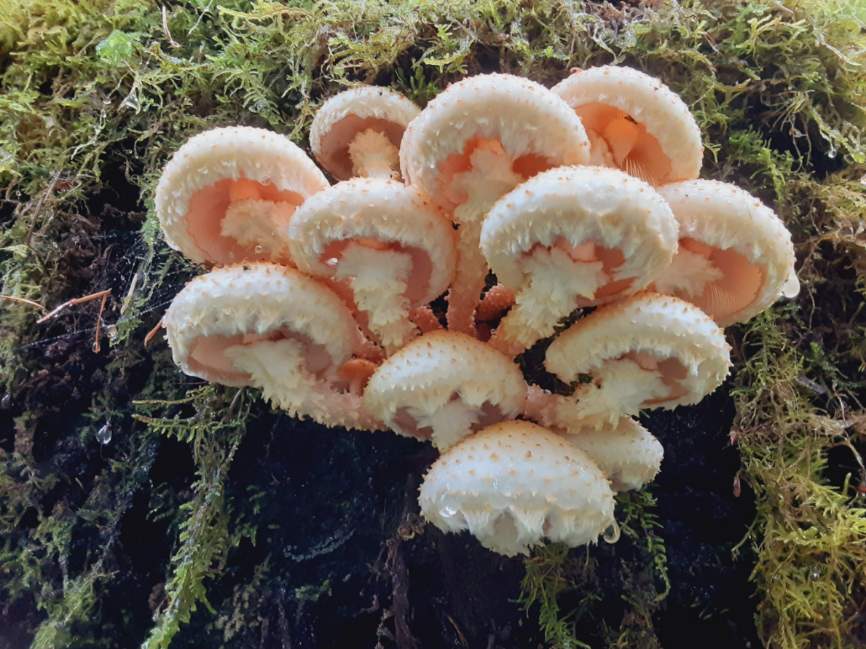
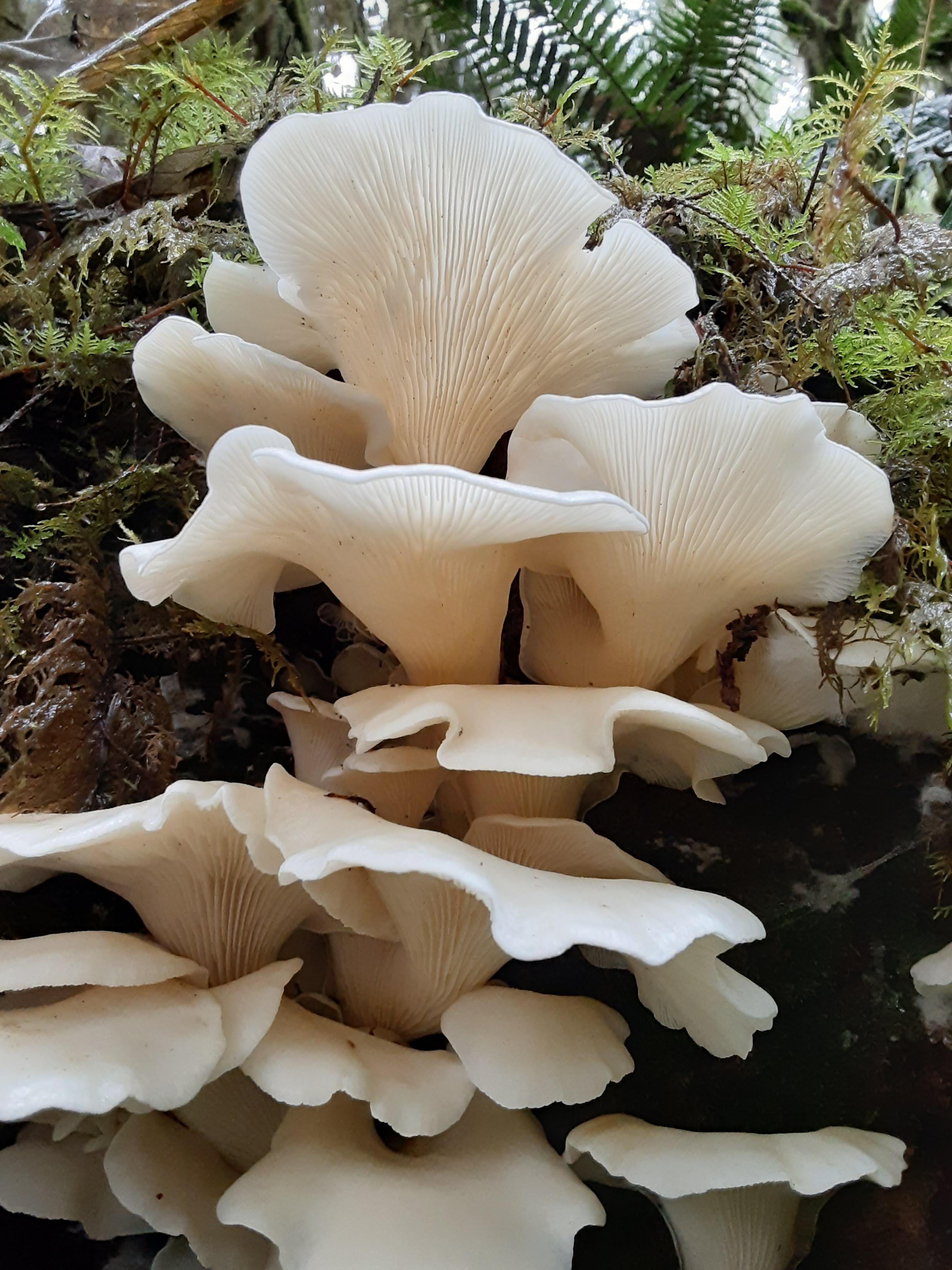
Top left: Earthstar puffball or Geastrum saccatum – my first ever sighting that had me squealing in delight; top right: hooded false morel or Gyromitra infula; bottom left: oysters; bottom middle: oyster closeup; and bottom right: Pholiota squarrosa or shaggy scaly caps
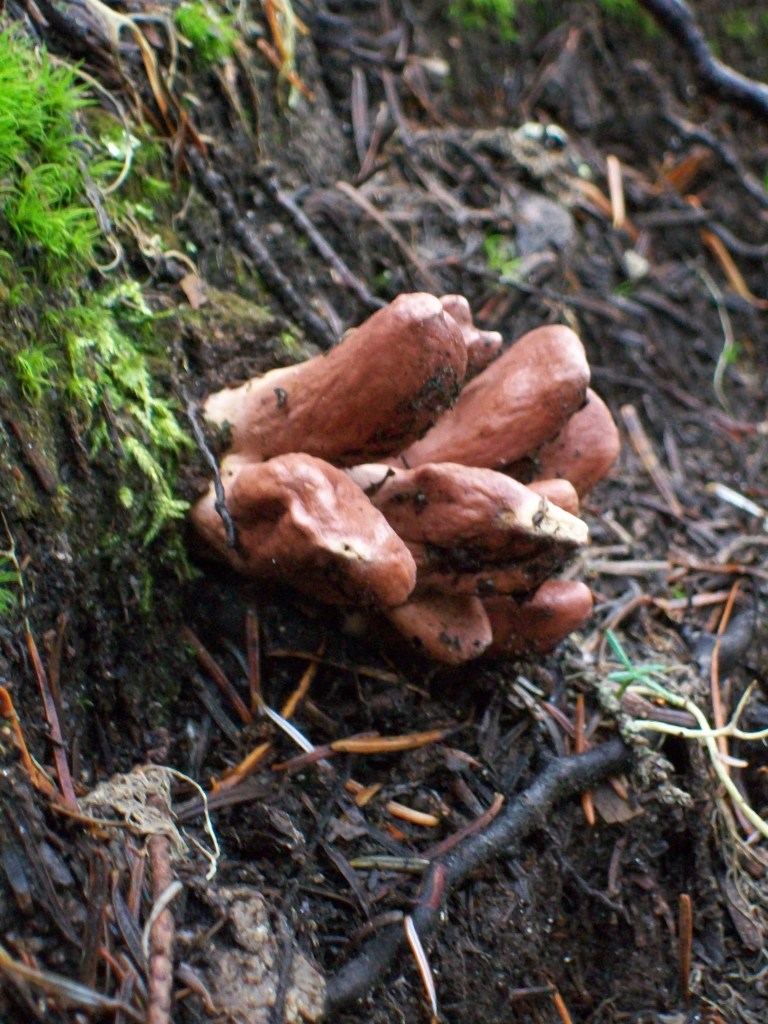
Last but not least, some dead guys fingers poking from the ground…just kidding! They may be an immature club fungi in the Clavariadelphus genus, I am quite unsure of this ones ID.
I could keep going with this blog project and as the mushroom seasons draw to a close with winter coming. While I am a little sad about the season ending, I am excited for next year. The new goal next year is to take higher quality pictures with the Canon and start working on a coffee table book!
 Fern Glen Living