Sweet and Savory Fairy Shortbreads

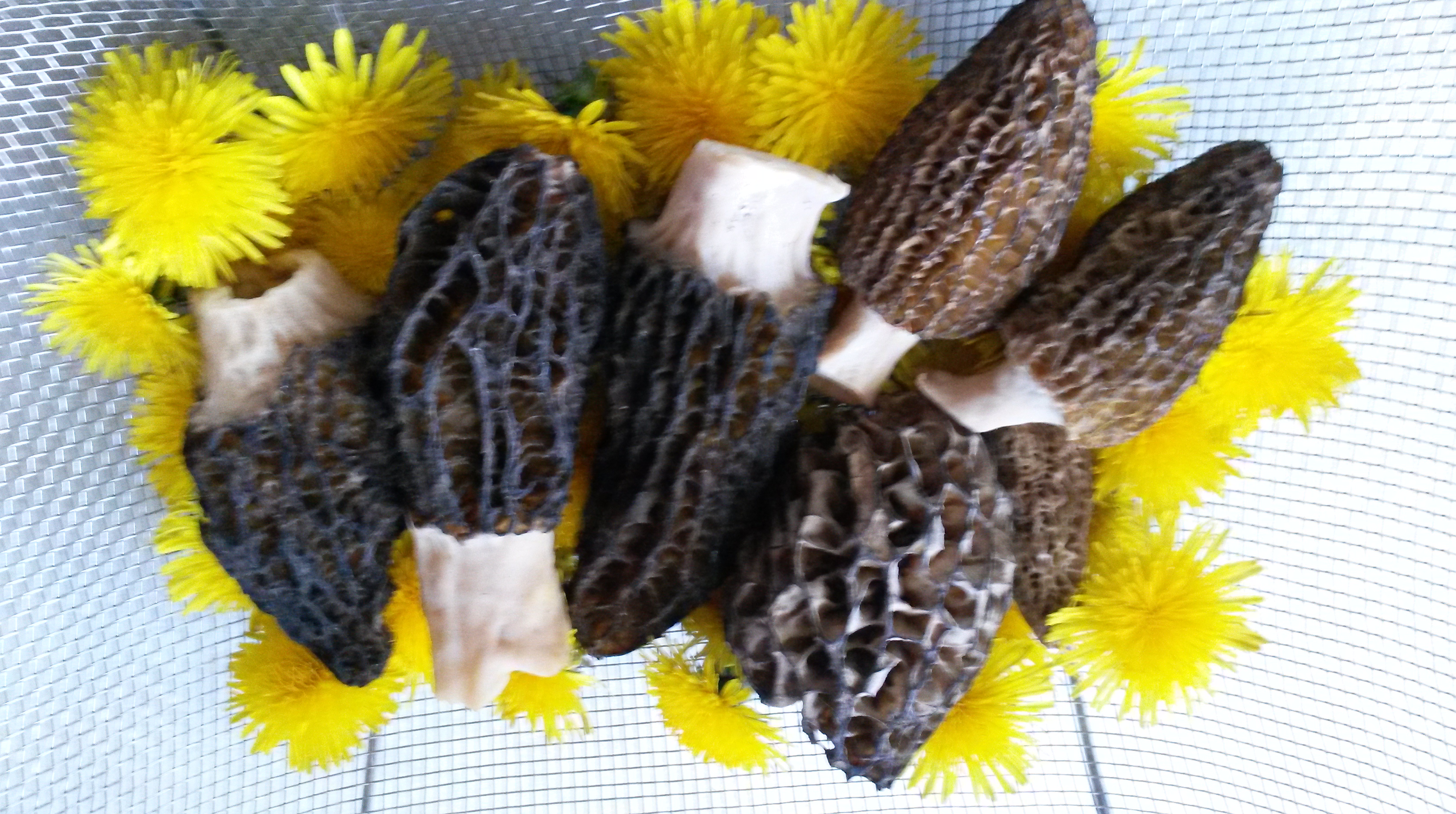
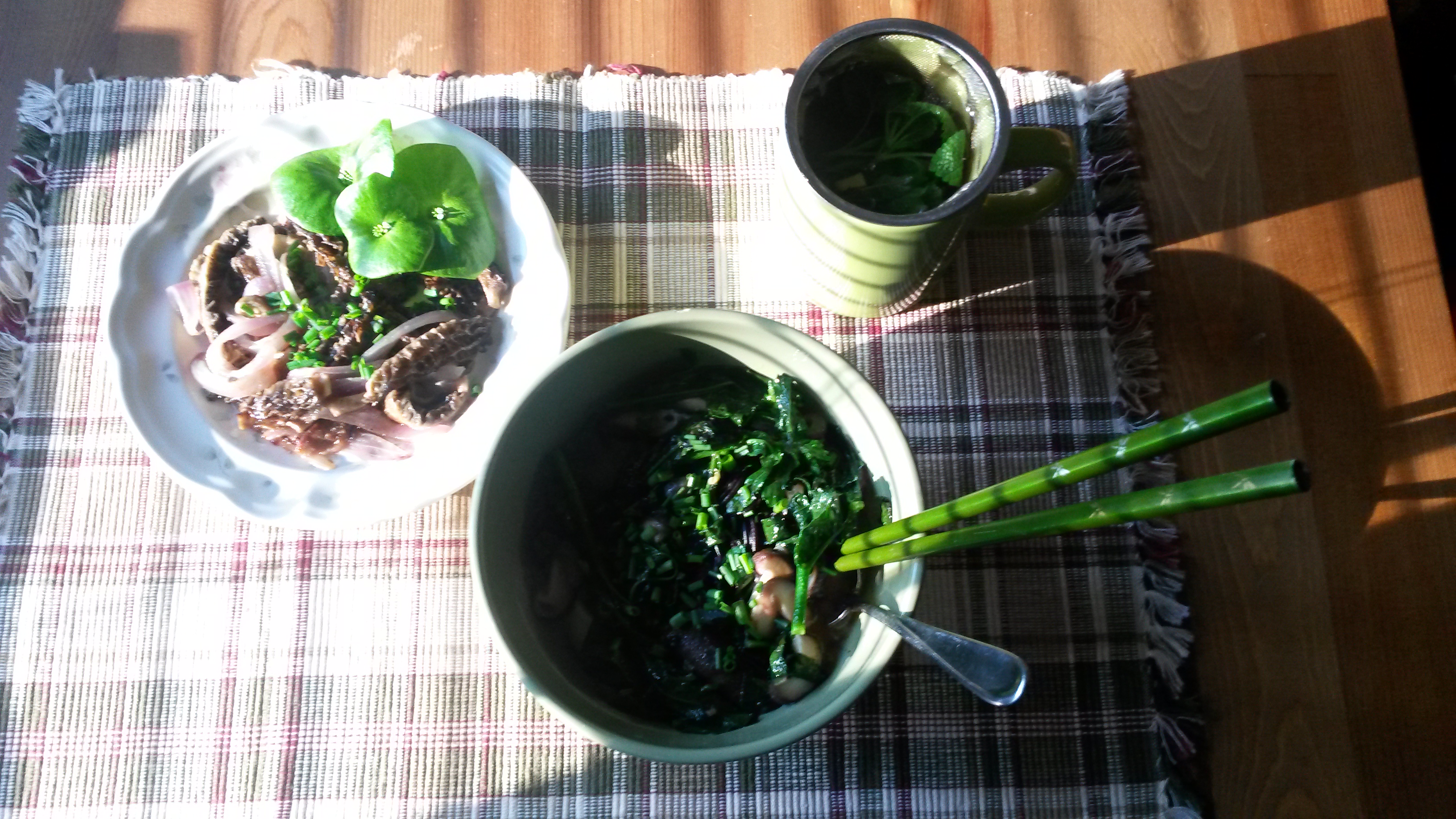
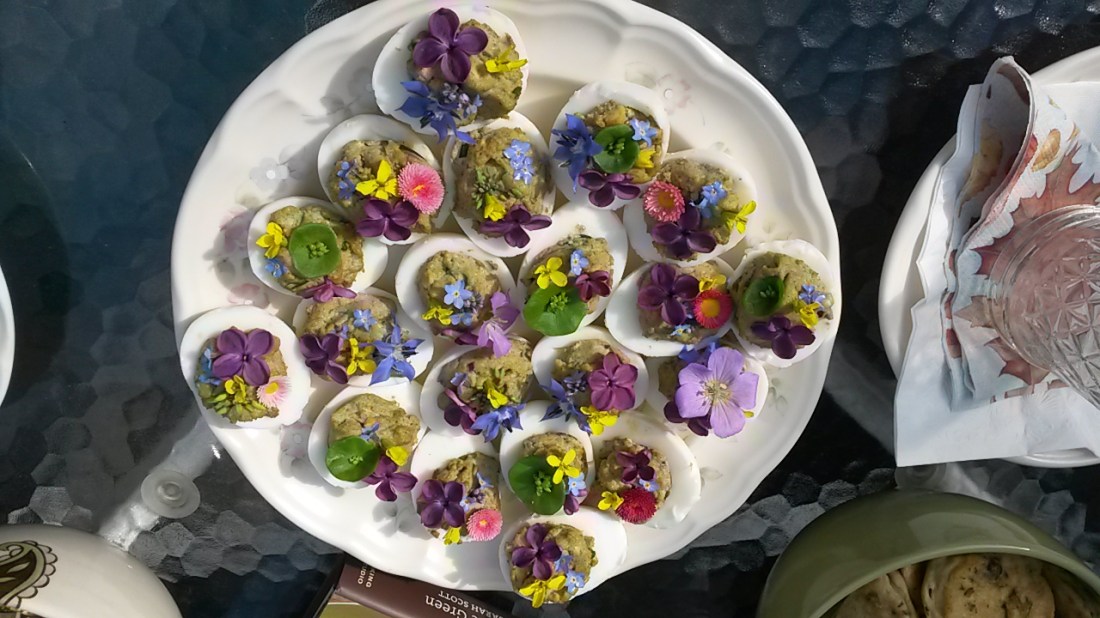
Spring flowers and the fresh bright greens bring so much joy! It is hard not to what to play with your food this time of year. If morels happen to pop up locally, then it is cause for a foraged brunch celebration with friends.

This recipe was inspired by Gather Victoria years ago and a class project introducing others to the beneficial uses of dandelion. Here is what my friend Tina and I wrote:

The Dirt on Dandelion – Taraxacum officinale

Taraxacum is derived from the Greek word for disorder: taraxos and remedy: akos and officinale denotes its use as medicine.

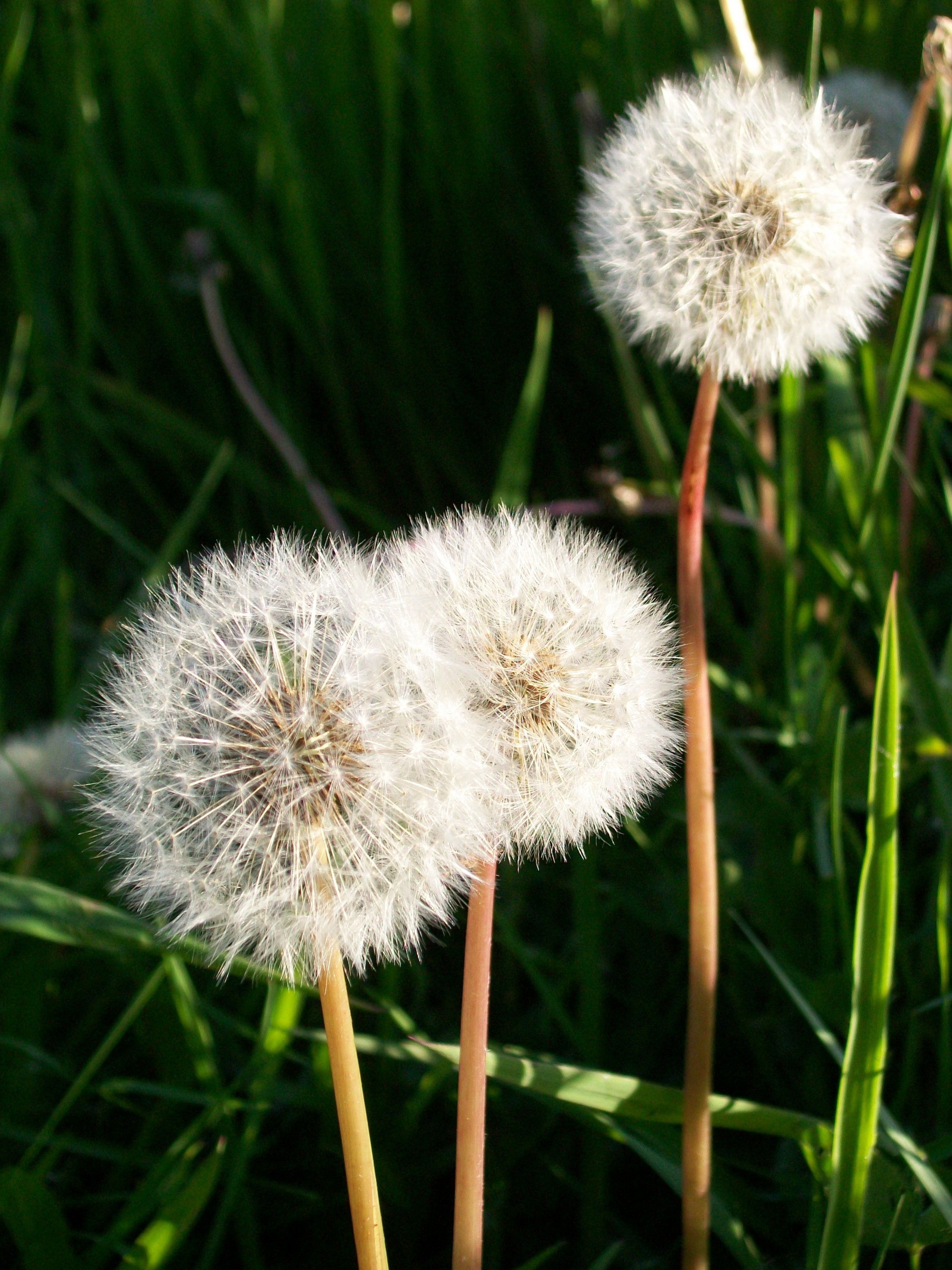
 This lovely herb of many uses sadly is poisoned much but still manages to survive and spite those who attempt to conquer their lawns and rid it of sunny yellow flowers and fluffy puff balls that send their seeds on the slightest breeze. Considering the myriad of ways to prepare dandelion and its benefits, it should be cherished and consumed with relish. Considering the toxic world we live in, our liver and kidneys would be much happier if dandelion was common in our diet and not on our chore list to eradicate with Roundup.

If beer, bacon, and chocolates are your thing, well let me tell you, you can make dandelion flower beer, put bacon dressing over fresh spring dandy greens, and lend a roasted coffee flavor to your decadent chocolates. Mmmm, sounds good right? The properties of being a gentle bitter tonic, a diuretic, and liver cleanser overall help the body process and rid toxins created and taken in by our bodies, leading to better digestion, clearer skin, and of course hopefully an elevated mood when you think of those happy bright blossoms. The plant is sweetest when harvested in spring for roots and greens. As it desires to procreate with its wild abandon, the bitterness starts to come through, so as to deter predation. Bitter is good though, stimulating proper function of the liver and digestion.

Recipe:

Sweet and Savory Dandelion Shortbread

2 cups of organic brown or white rice flour (or use favorite Gluten Free blend best for baked goods)

1 cup organic unsalted or salted butter (Kerrygold works splendidly though not certified in the US)

1/2 cup local honey

1/2 cup organic sugar

1/4 cup Emmental or parmesan cheese grated

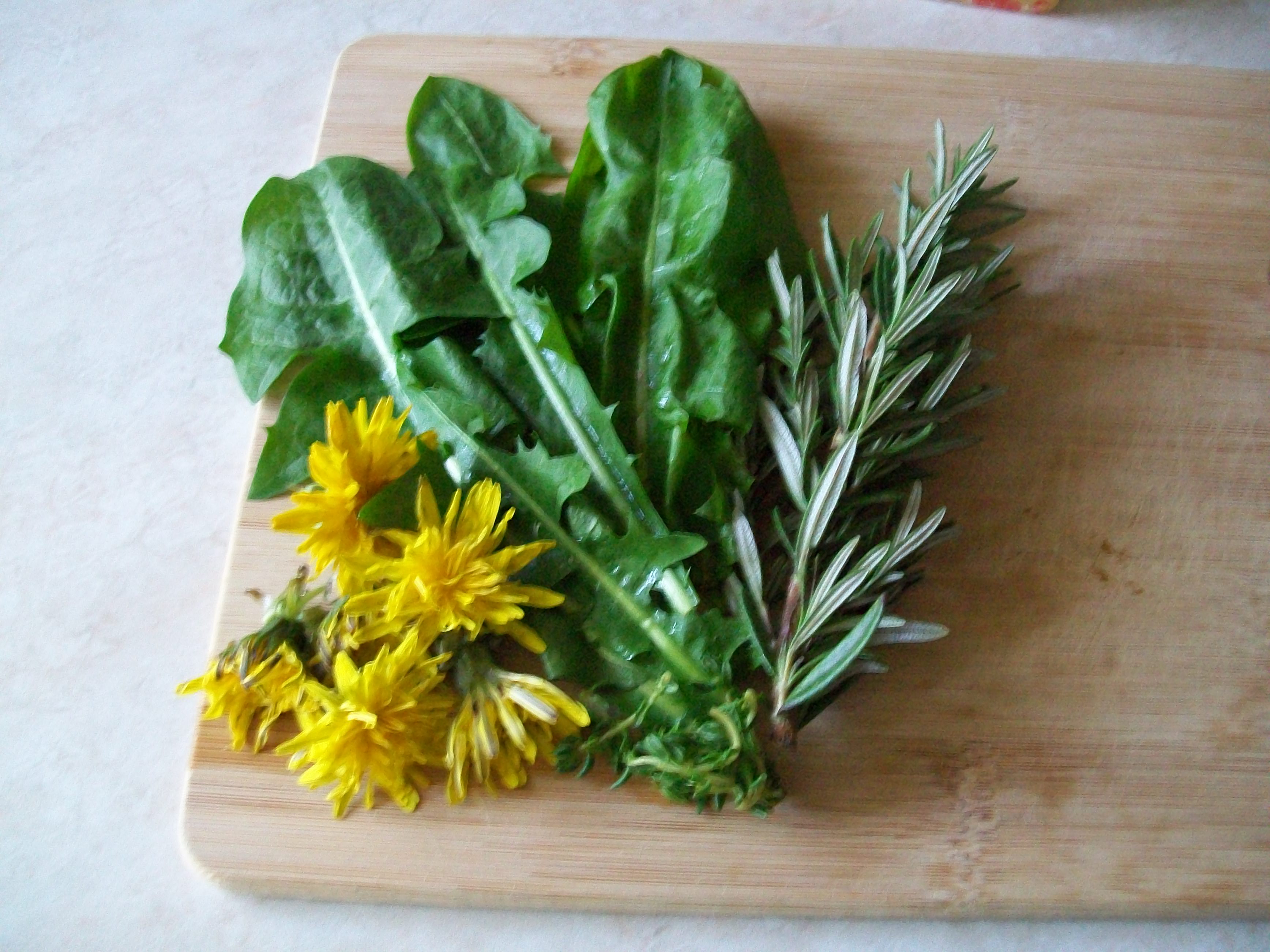
1/4 cup of dandelion petals (rinsed of buggies unless you want the extra tid bit of protein)

2 TBS of fresh rosemary finely chopped

1 TBS of fresh fir needle tips finely chopped (Grand, Douglas, Hemlock, etc – taste test for bright citrusy flavor – pick new tips in spring that are brighter and soft)

Optional: finishing sea salt to sprinkle on top – omit if using parm and salted butter

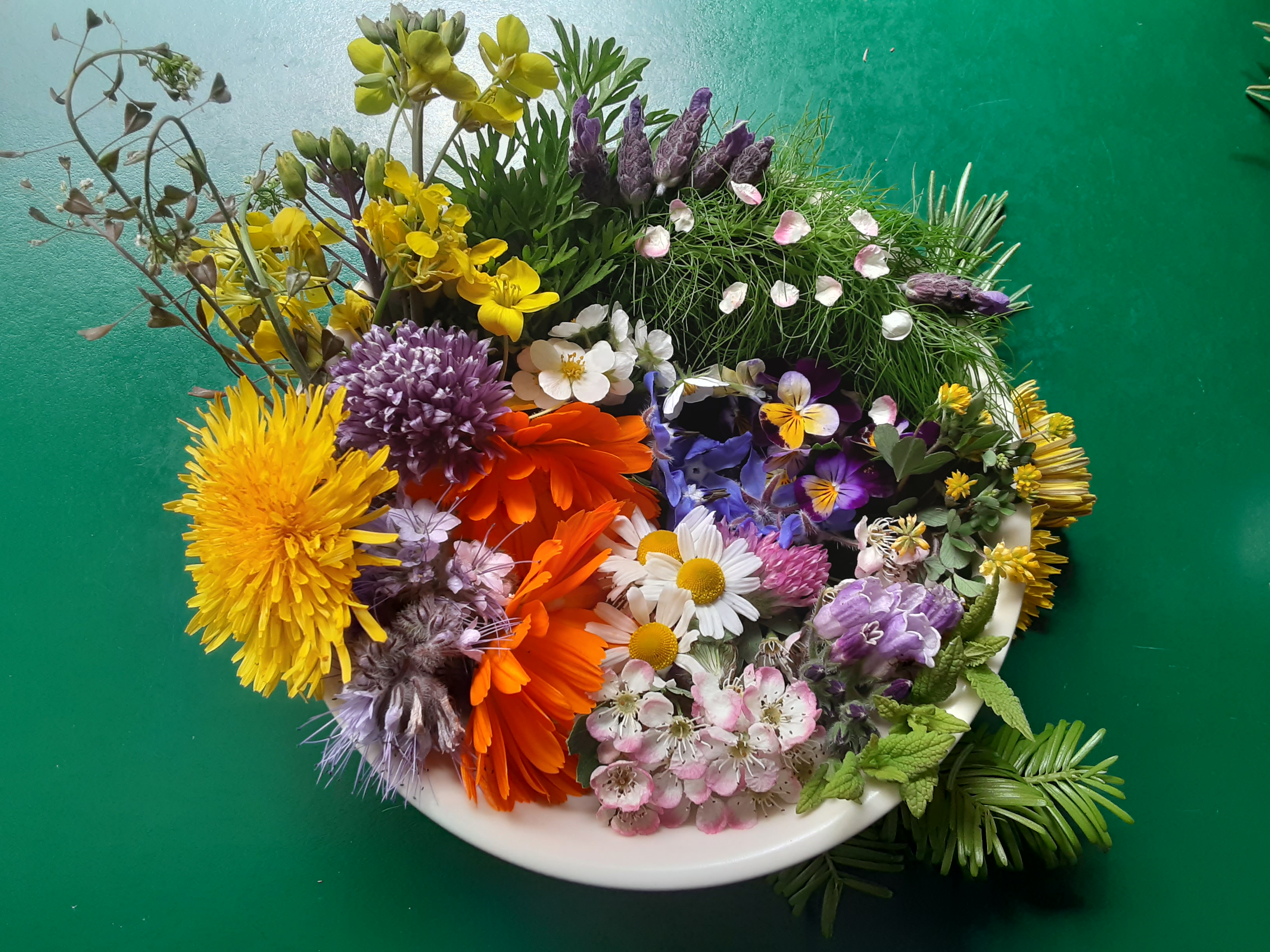
Optional: foraged edible flowers from forest, meadows, and gardens (violets, mints, wild geraniums, strawberries, any of the Ribes or rose family member, brassica/mustard family members, lilacs, etc)

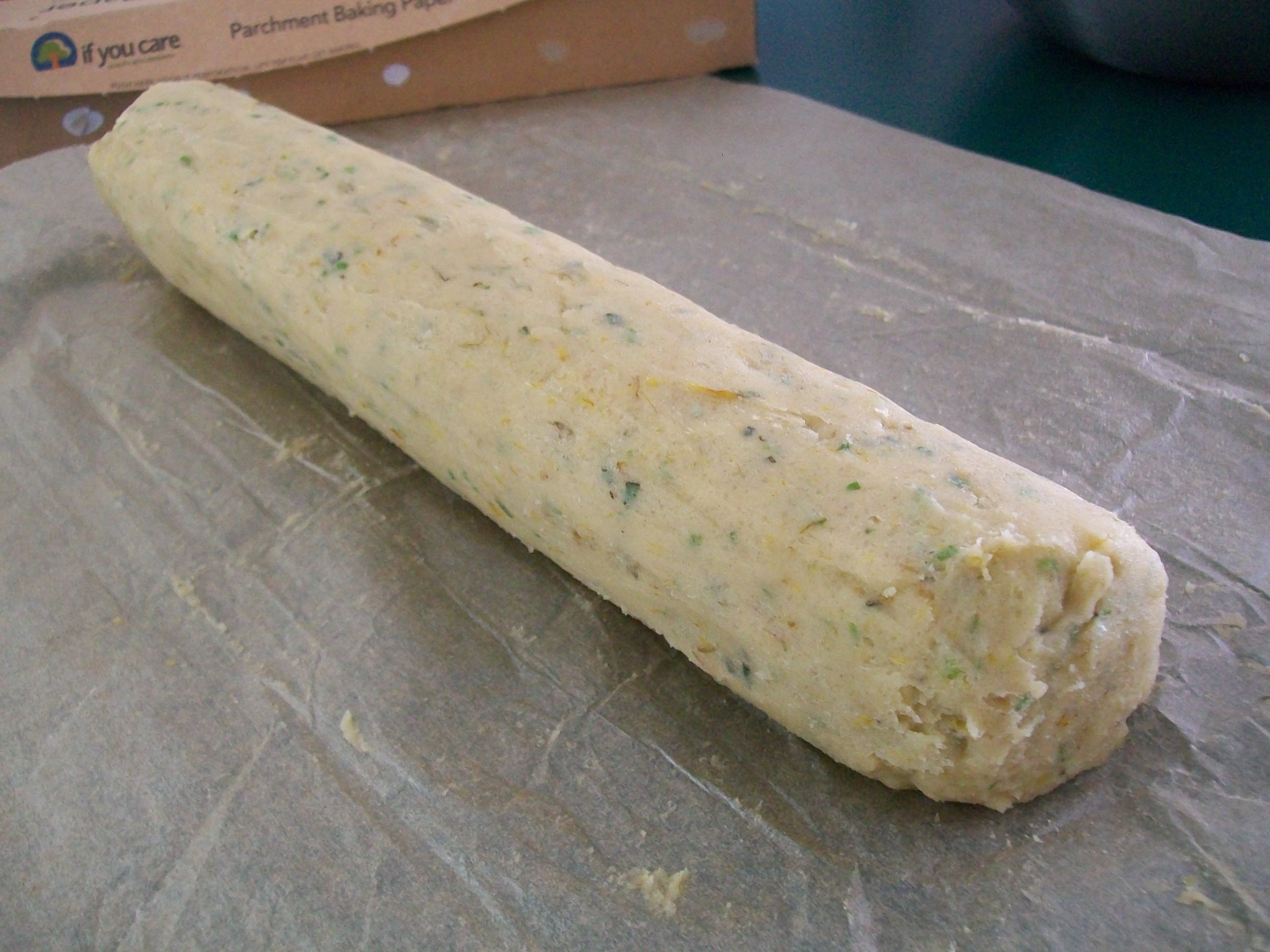
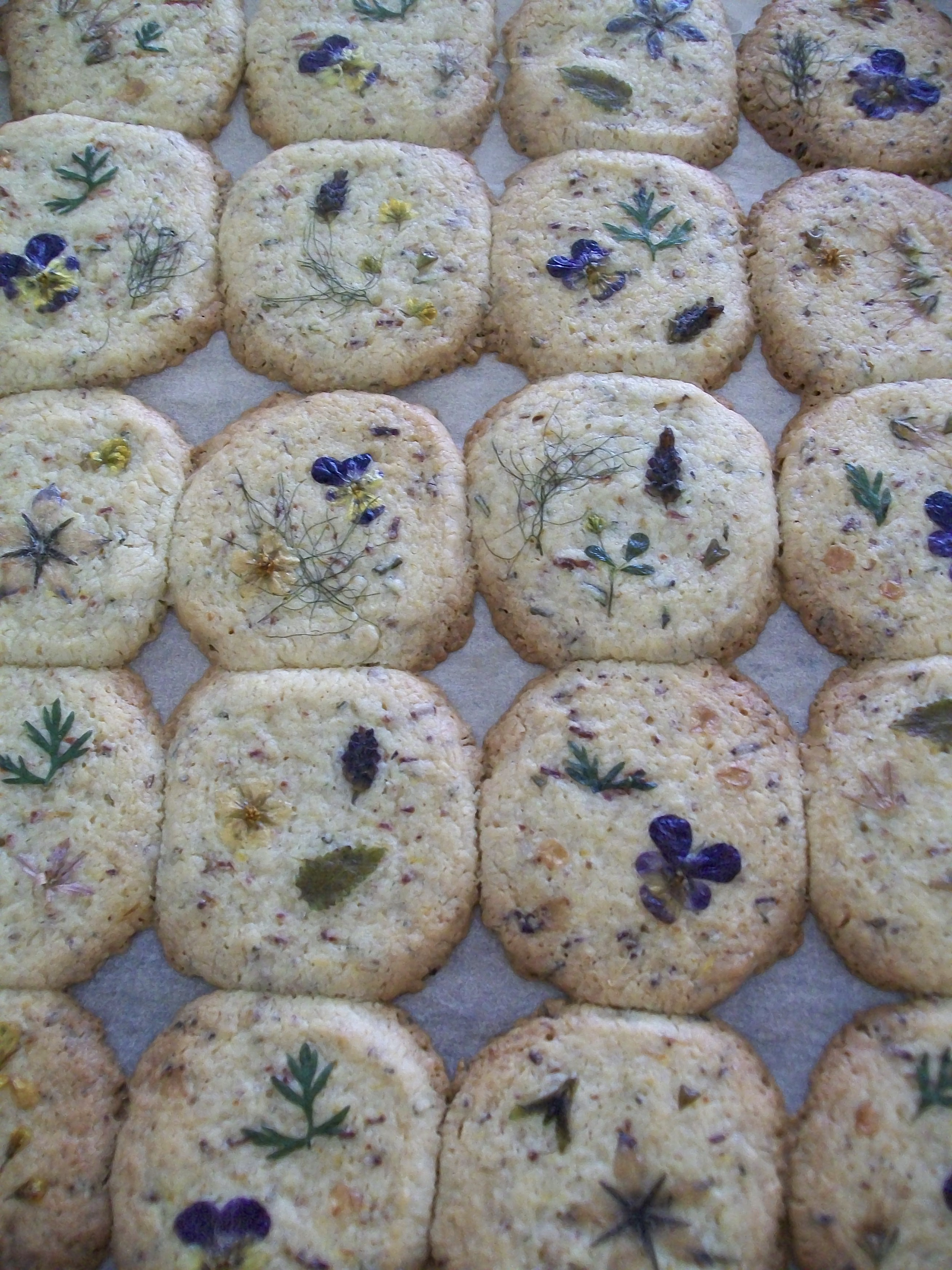
Mix softened butter, cheese, honey, and sugar till fluffy and well incorporated. Mix in dandelion flowers and finely chopped rosemary and fir needles. Add in flour one cup at a time and mix well. With parchment paper and extra flour as needed, roll into a firm cylinder. Refrigerate an hour or more before cutting. Slice about 1/3 – 1/2 inch thick. Place on cookie sheet lined with parchment paper. Press flowers gently into cookies. Freeze overnight or up to 24 hours. Preheat oven to 350 degrees (325 is actually better for GF flour). Bake one sheet at a time till golden – about 13 minutes – keep an eye on them after 10. Done when no indent is left on baking cookie when pressed lightly. Let sit and cool before putting on a cooling rack so they do not break.

Enjoy with a cup of tea or a refreshing botanical lemonade! This particular batch pictured above turned out very lemony tasting and smelling. It was pretty incredible how the grand fir tips just popped!

An irony to end this post is that the dandelions know I am plotting to put them on the menu. Once a I find a sweet clean patch free of spraying and doggy discharges, they change their timing the following year!! I swear! It is rather amusing…
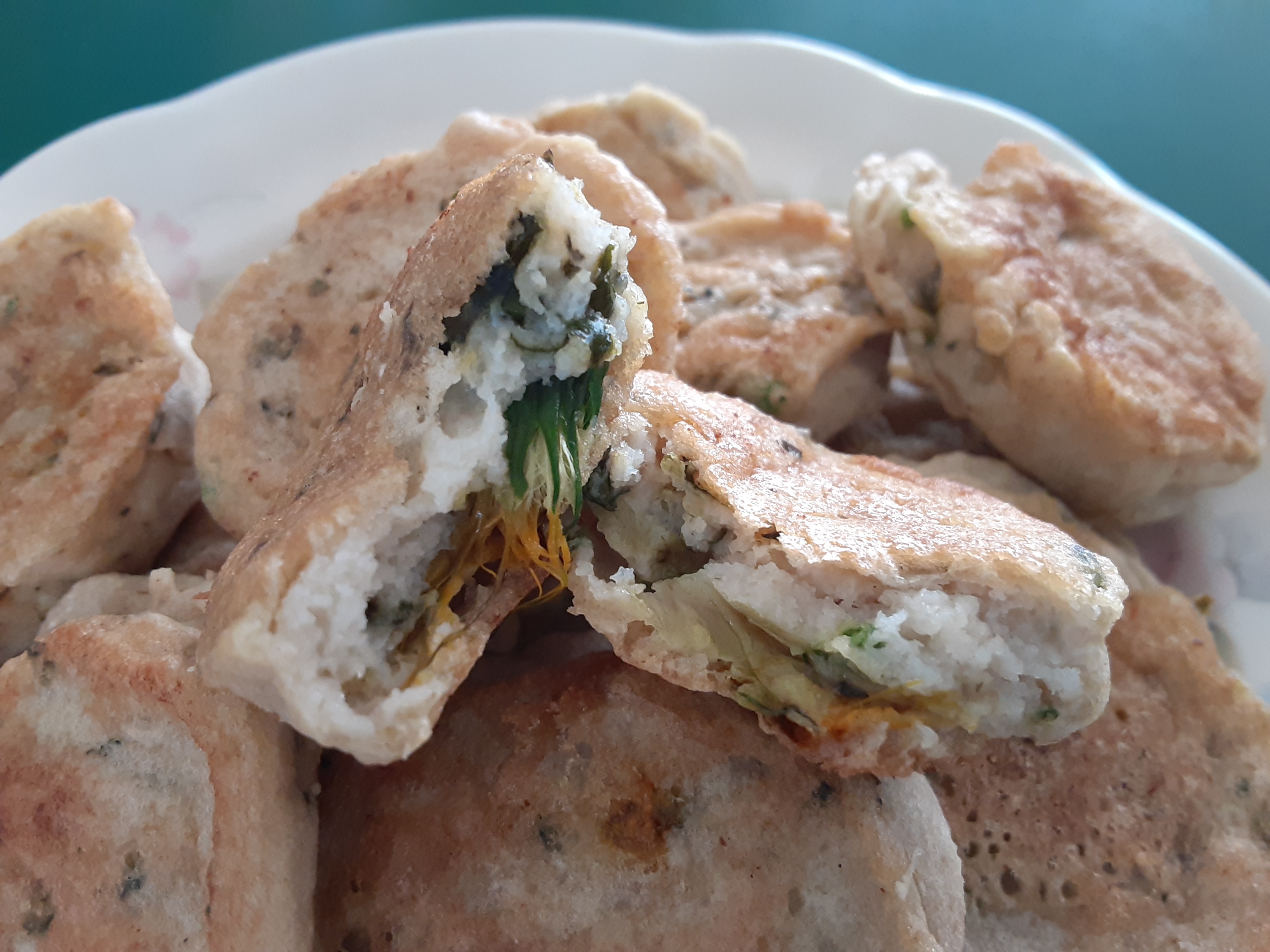
Foraged

After a bit of a writing hiatus in which I keep telling myself I need to utilize my blog, I am back writing about one of my favorite subjects. Foraging! I have been a forager since childhood. In case you do not know the story, my older sister when we were toddlers, used to pick random things out of the yard and try to get me to eat them…. Mom usually followed it up with Ipecac and thus I hate vomiting. Needless to say, the foraging for safe edibles continued and developed over the years much to my family’s amusement.

Now that I have thrown a bunch of tasty pictures at you, why am I inspired to write again. Well, it’s because of a hand mixer. My sister, same one who delighted in trying to off me eons ago, handed down a Kitchen Aid hand mixer. It was perhaps after the new sweet stand ones came out and the hand mixer was taking up valuable cabinet space. This mixer has been with me for over 20 years now. It traveled from station to station with me in the Coast Guard and back to civilian life. It does not get used often, but I cannot part with it (since I do not have a sweet stand mixer).

In prepping for a talk on medicinal and wild edible plants at a local botanical garden, I was making some herbed-up shortbreads. In mixing the softened butter, sugar, and herbs, the mixer “broke” and was stuck at max speed. Unplugging was the only solution…and major small appliance surgery. Now here is another fun factoid, I enjoyed taking small appliances and things apart as an older kid and making them work again. I had that little mixer working like a proper champ in about 5 minutes.

The simple truth is I need to put up the recipes with their stories and pictures. I have lots of pictures of foraged food creations from over the years to put to use. From the mountains to coastal regions, the dry side vs wet side of the state, the meadows vs forests, feral garden plants to native plants, there are lots of edible plants, fungi, and seaweeds to learn about and broaden your palate with!

The next installment will be on Sweet and Savory Shortbreads to kick off the recipes!

An Amazing Year of Mushrooms

This past year and last year were spectacular years for mushrooms, both the visually stunning and the harvesting of safe edibles. I’ve included a few pictures from years past too for a visual feast. Many of the photographs were taken with the ever-portable cell phone camera, others either with an aging point and shoot pink Kodak or the Canon EOS 40D. Once I started this project last fall, it was hard to stop adding more. I would recall a great hike and a bunch of pictures I took. Tracking down some of these photographs was harder than expected since I did not label the files very well. When storing photographs digitally, just dates do not cut it! I have tried to be as accurate as possible too, using several ID books and reaching out to email local enthusiasts. What was supposed to be a quick blog follow up to the sea beans has proven to be a much bigger project! But because mushrooms are so fascinating and I have enjoyed photographing them since I was a kid, it hopefully is worth the wait.

Disclaimer: they are ID’ed to the best of my abilities, but are not meant to provide a positive ID when out hunting on your own. There are a great many books for identifying mushrooms, whether for food, medicine, or curiosity.

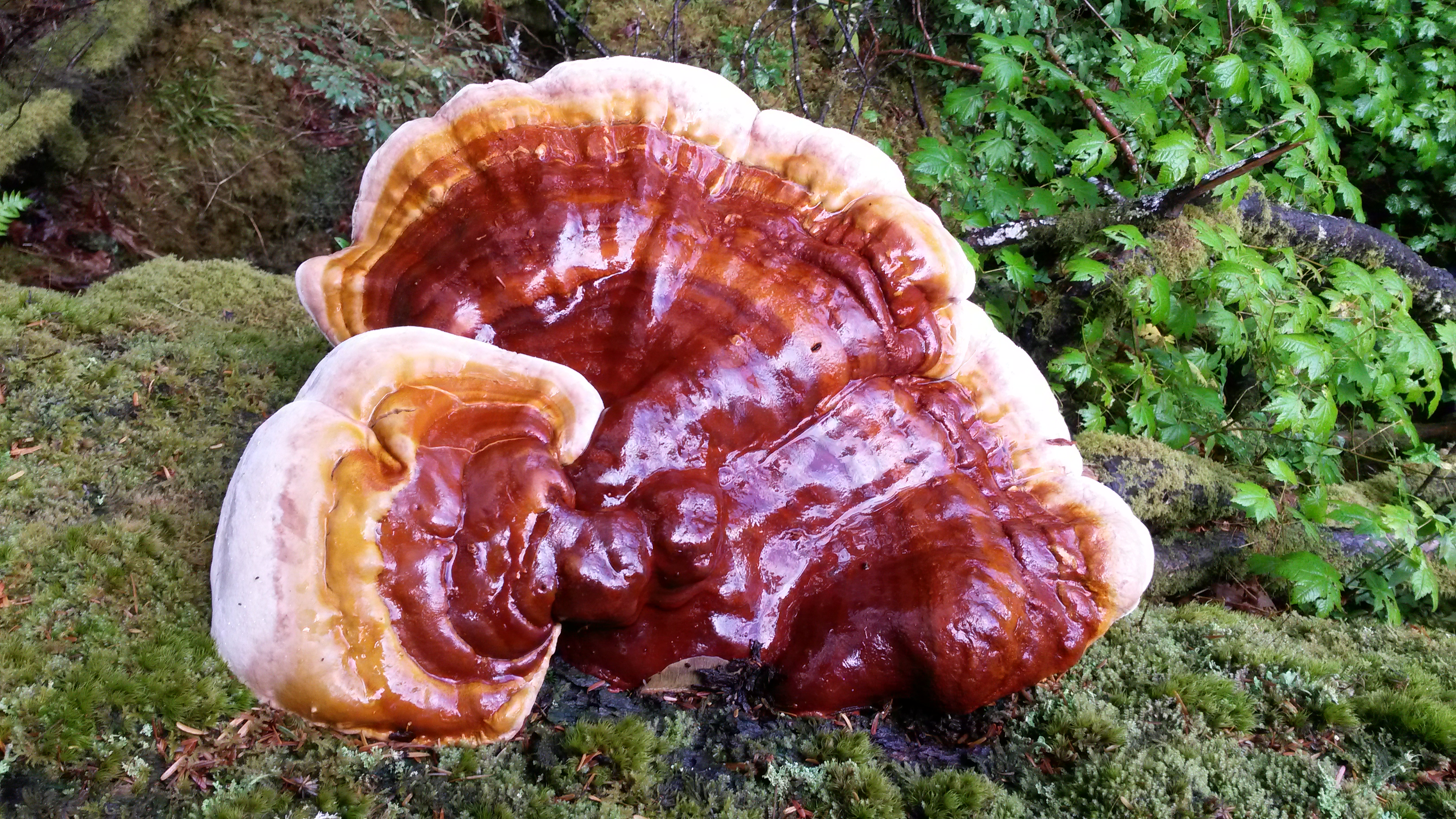
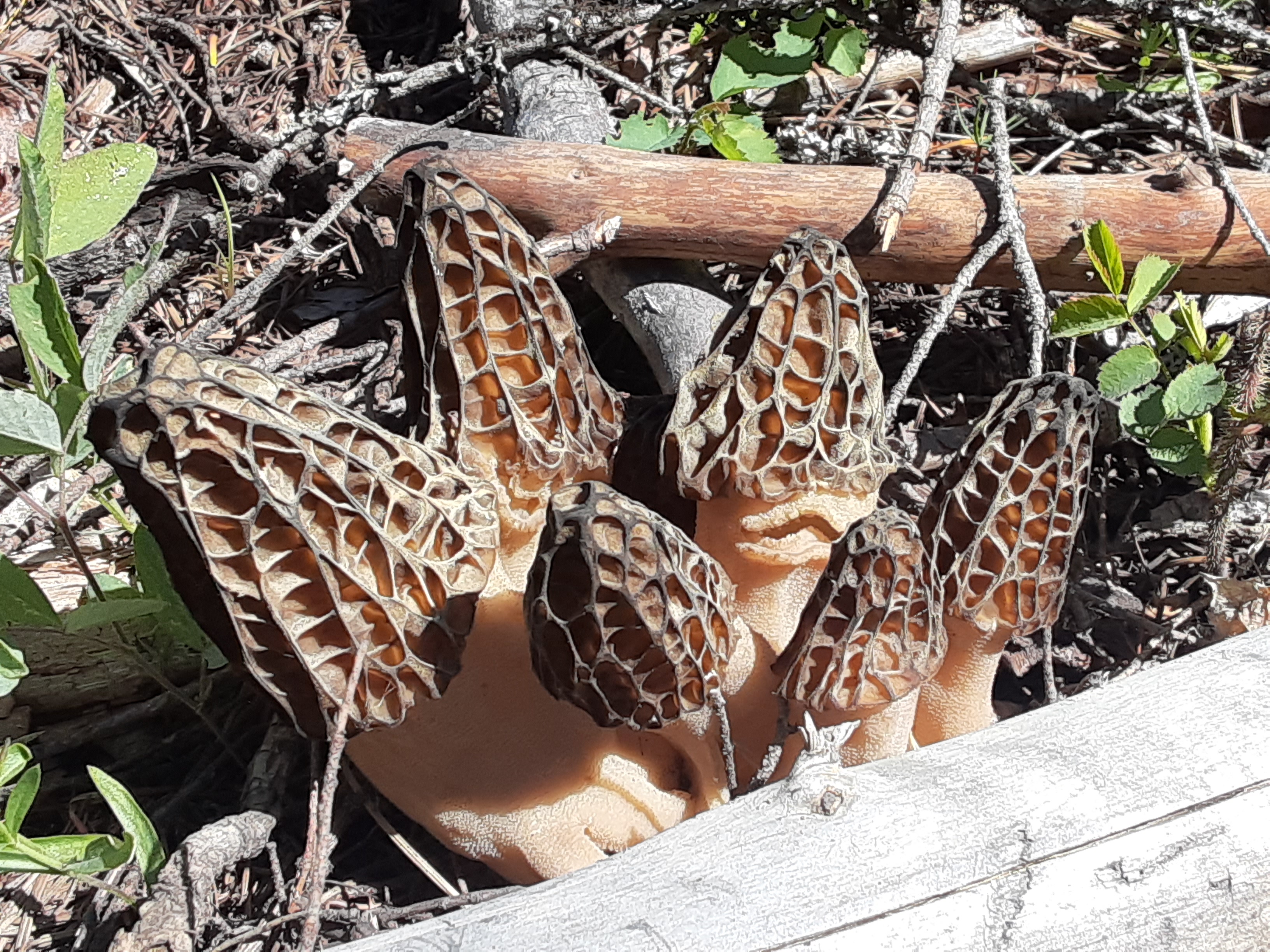
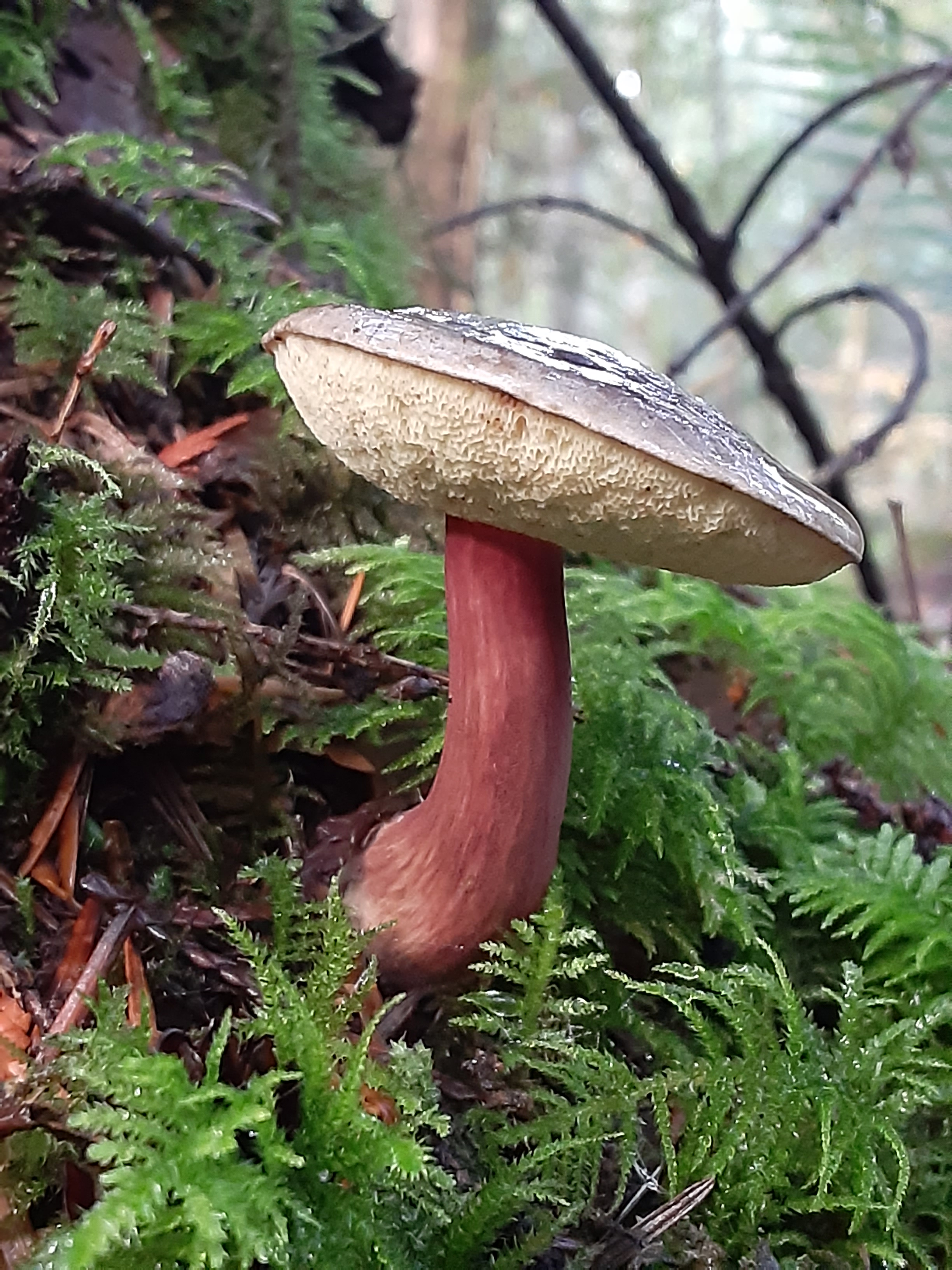
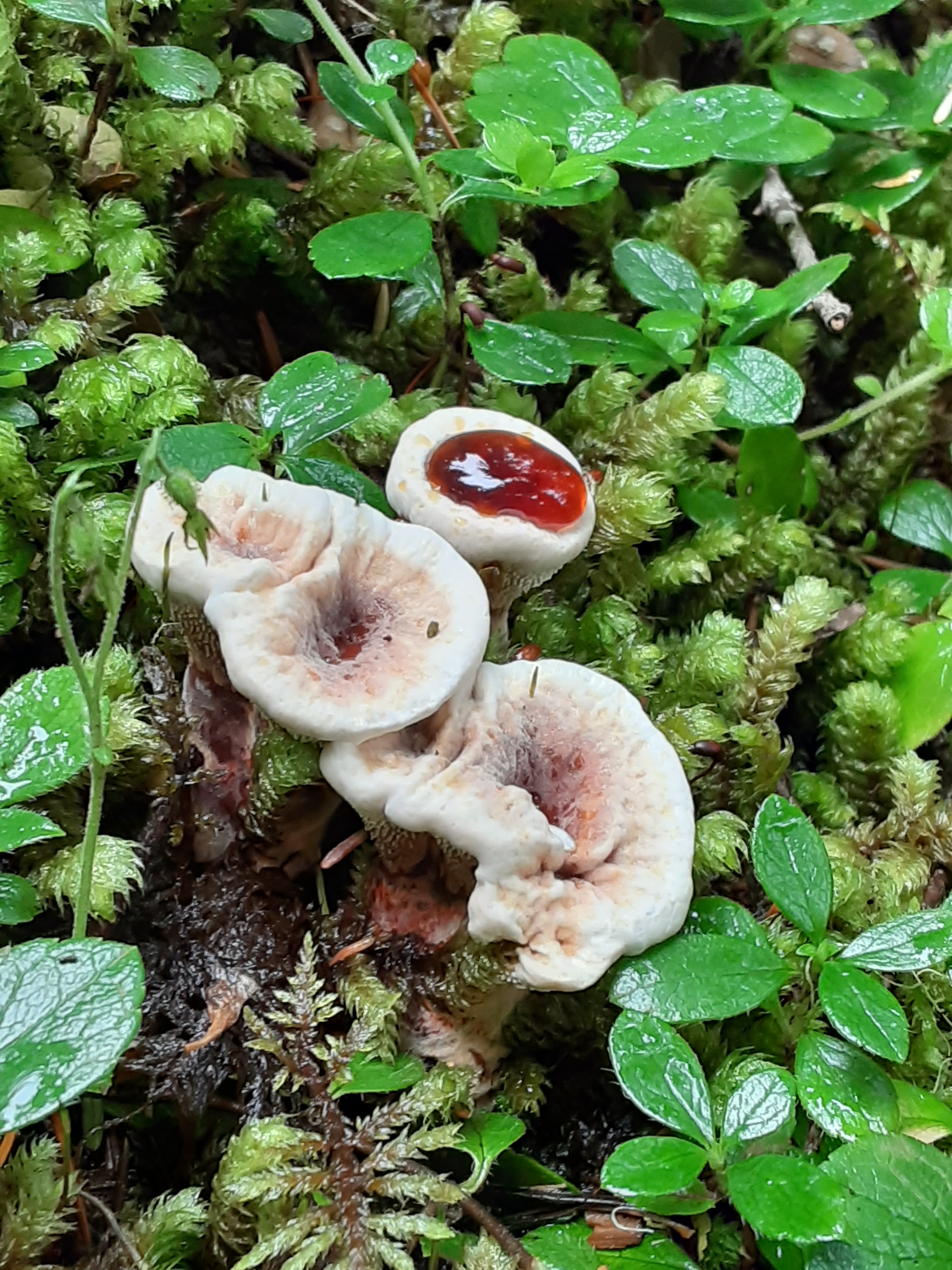
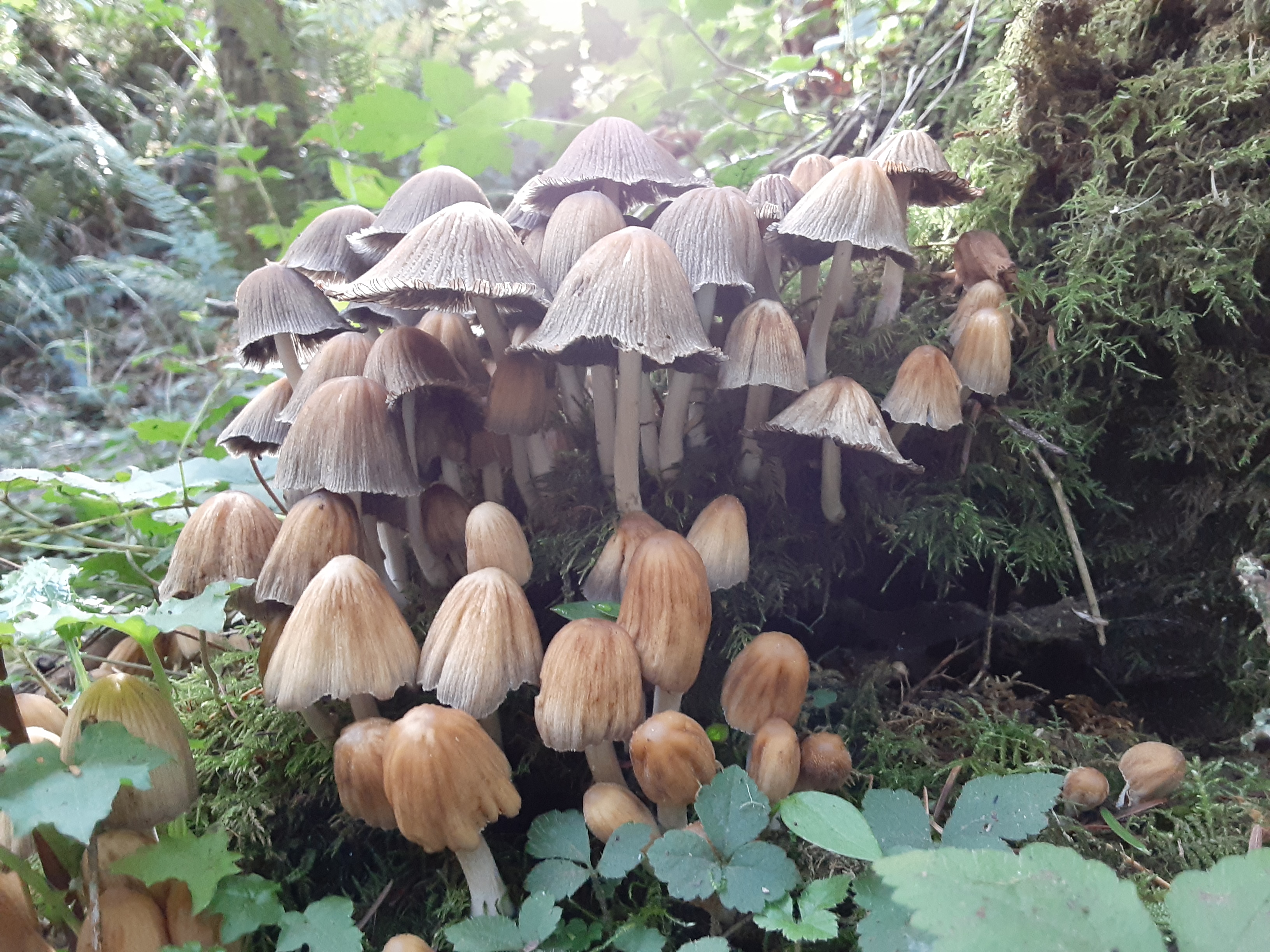
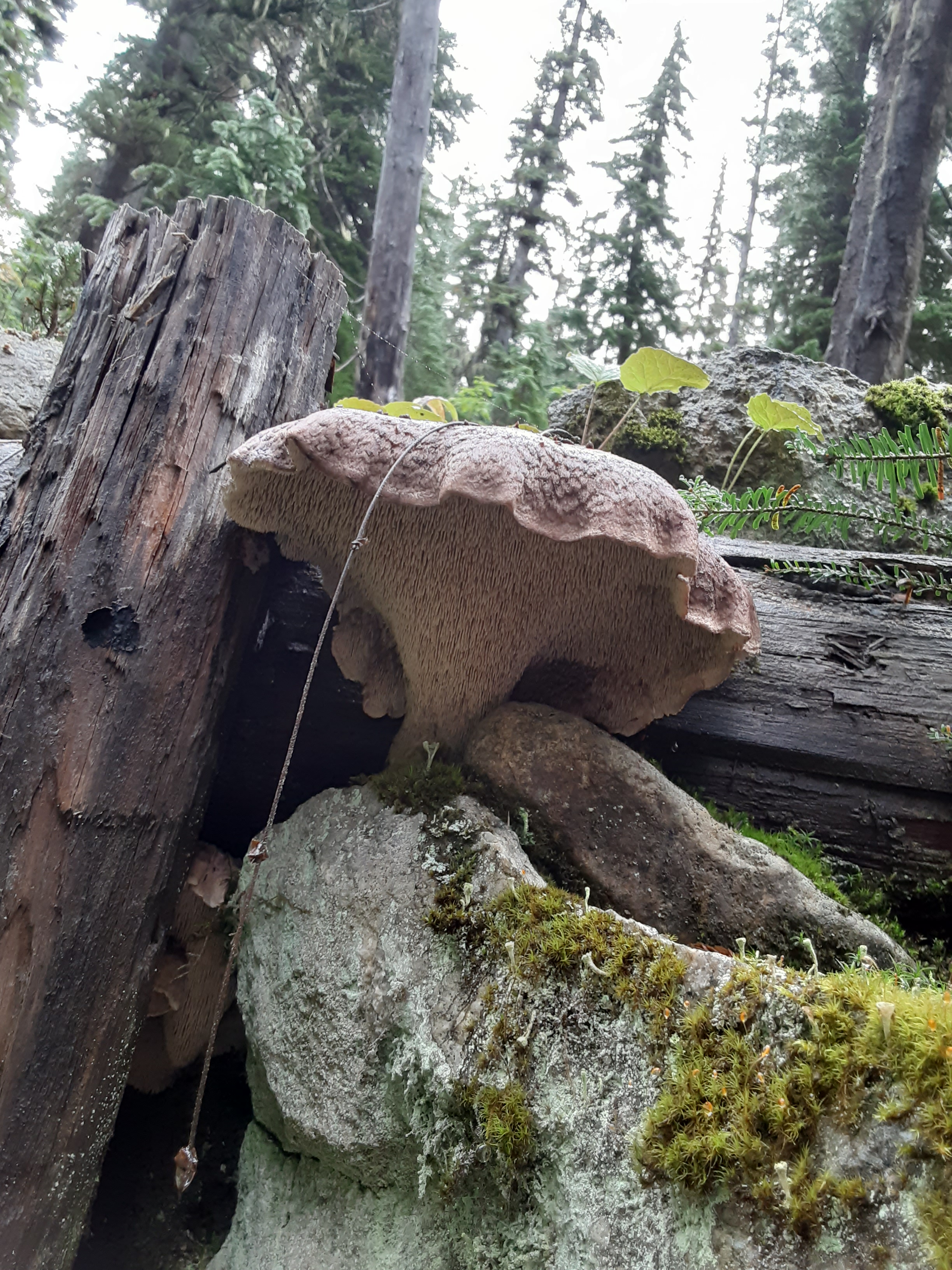
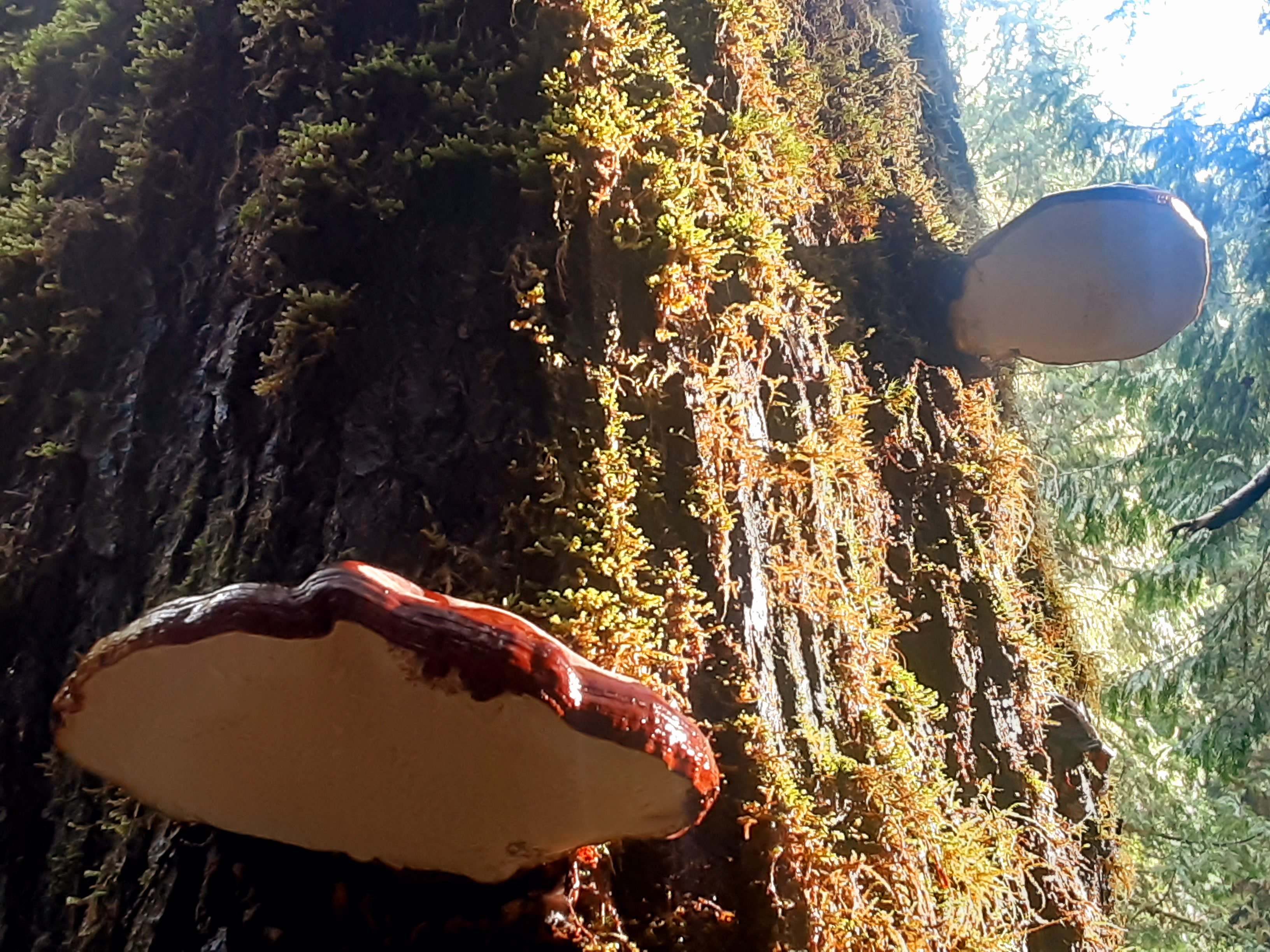
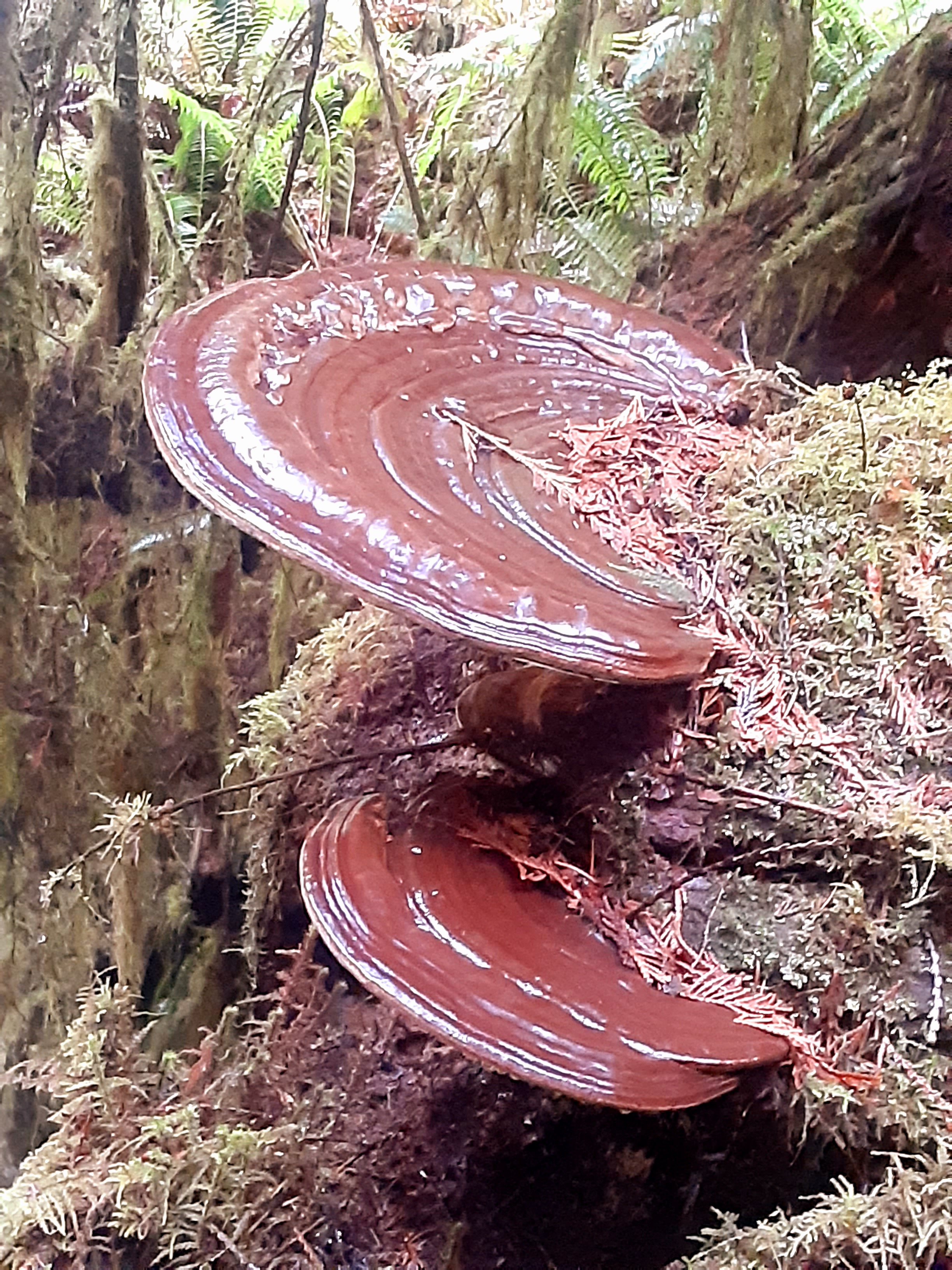
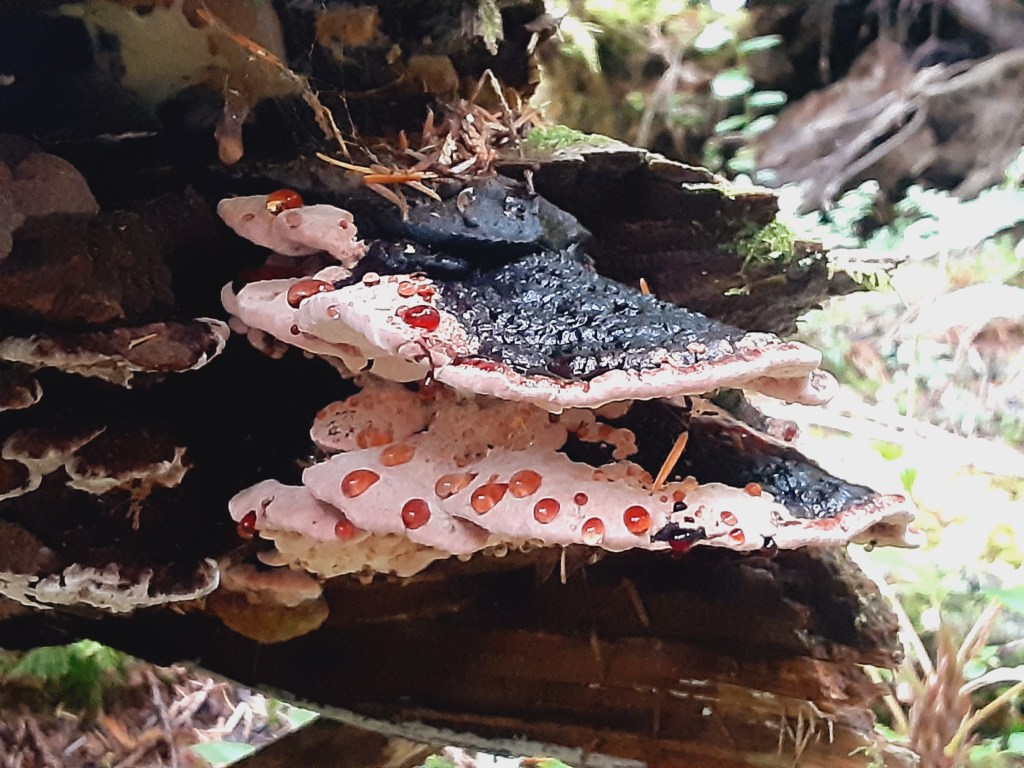
Top left: Ganoderma oregonese, Reishi, or hemlock varnish shelf (2015); middle left: morels, Morchella conica likely; top right: Boletus zelleri aka Zeller’s bolet; bottom left: Hydnellum peckii or bleeding tooth or strawberries and cream; bottom right: Mica or ink caps, Coprinellus micaceus (2019)

Mushrooms are the artwork of a much larger mycelial network; fruiting bodies to spread spores far and wide in the wind. They take on fascinating forms from caps, to funnels, to shelves, and more. Some of the colors mushrooms make can be just captivating!

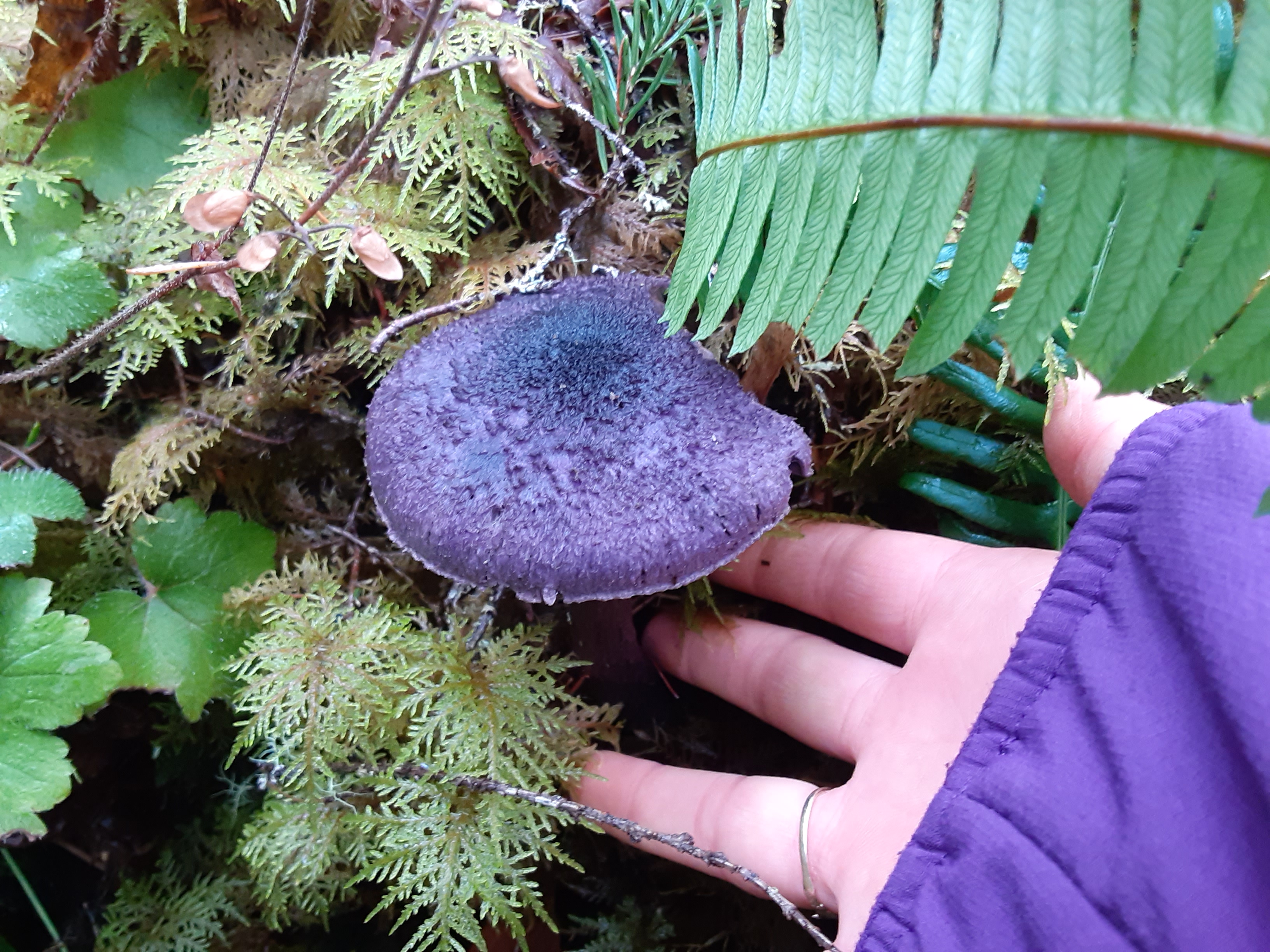
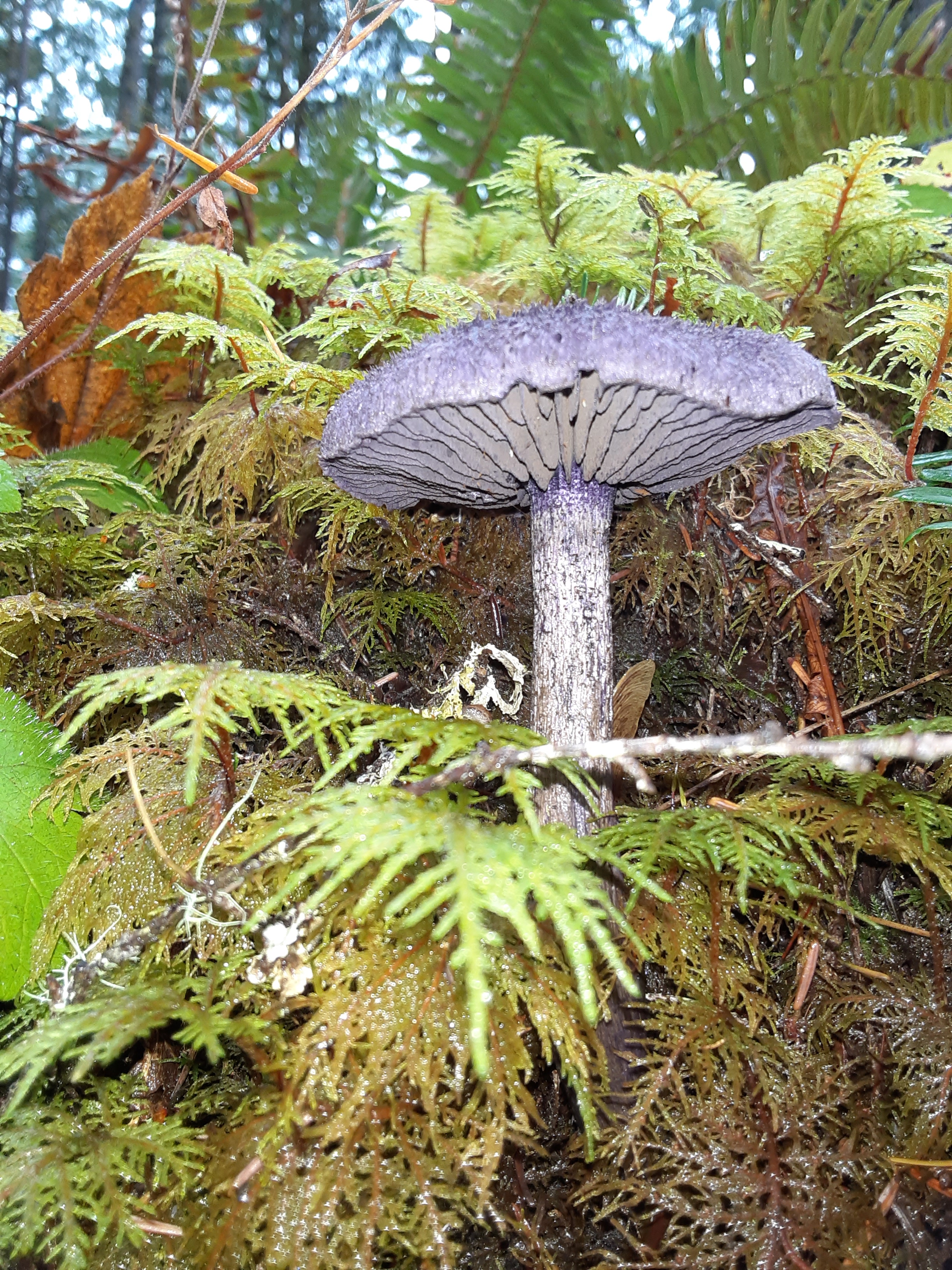
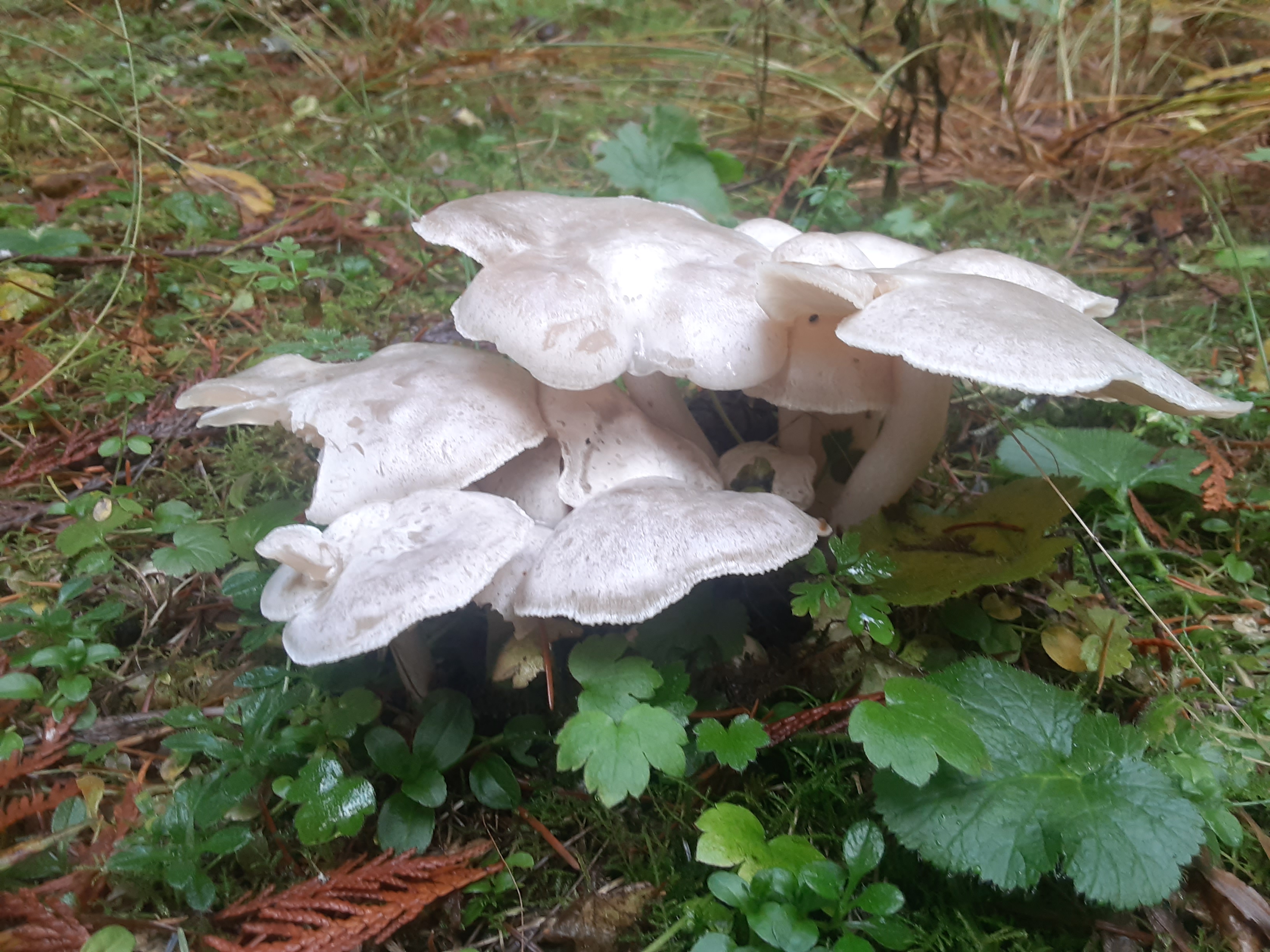
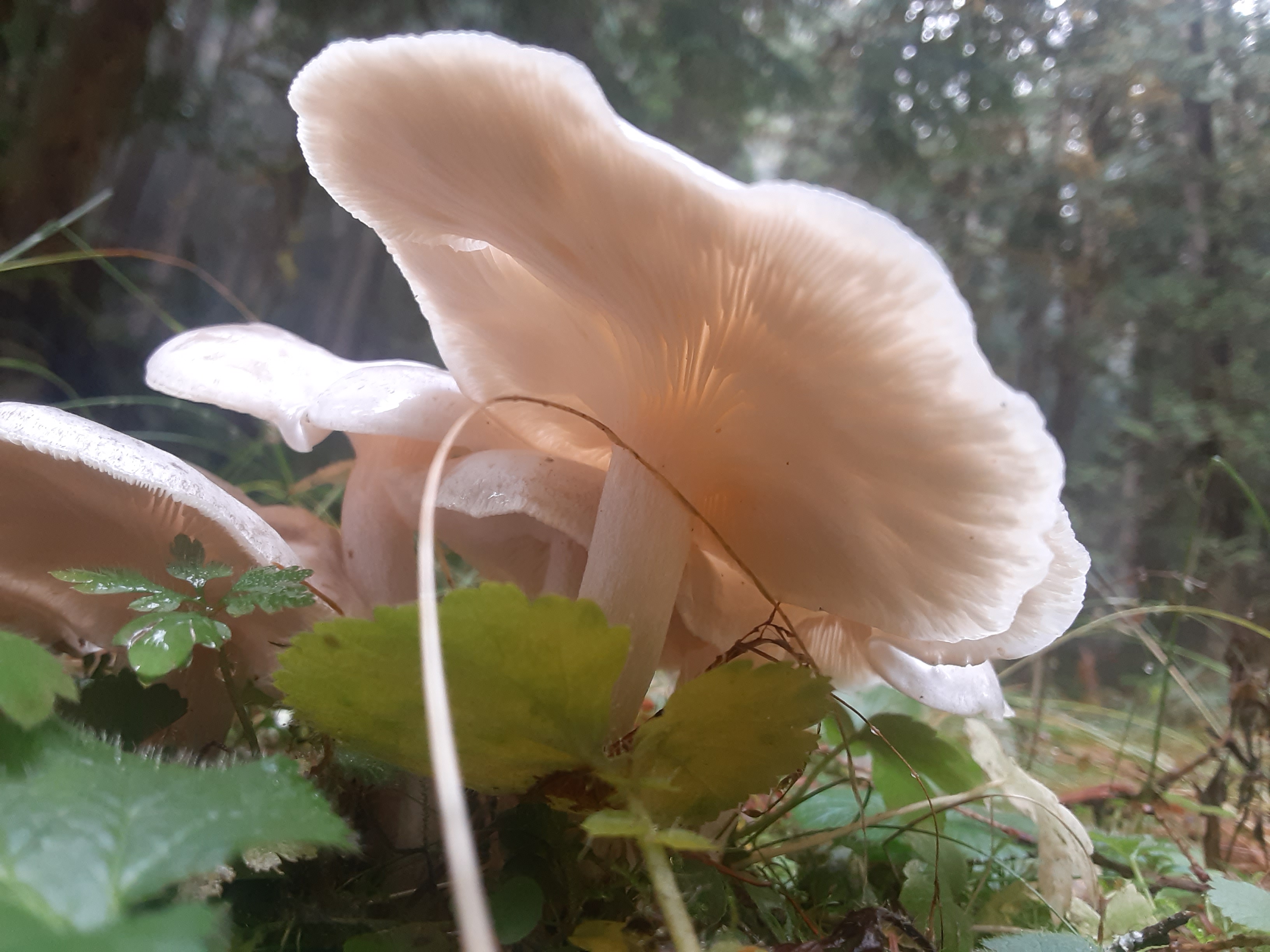
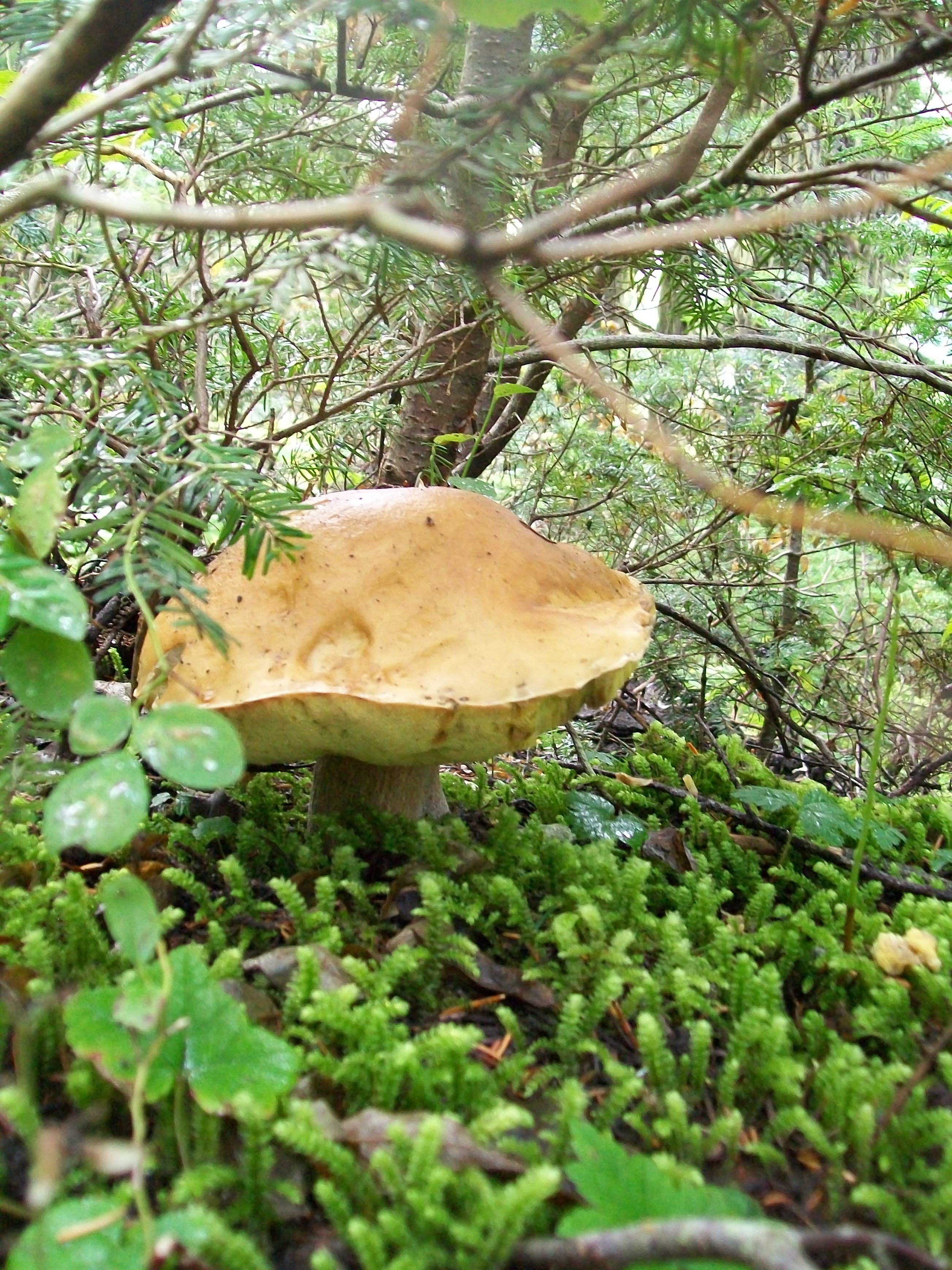
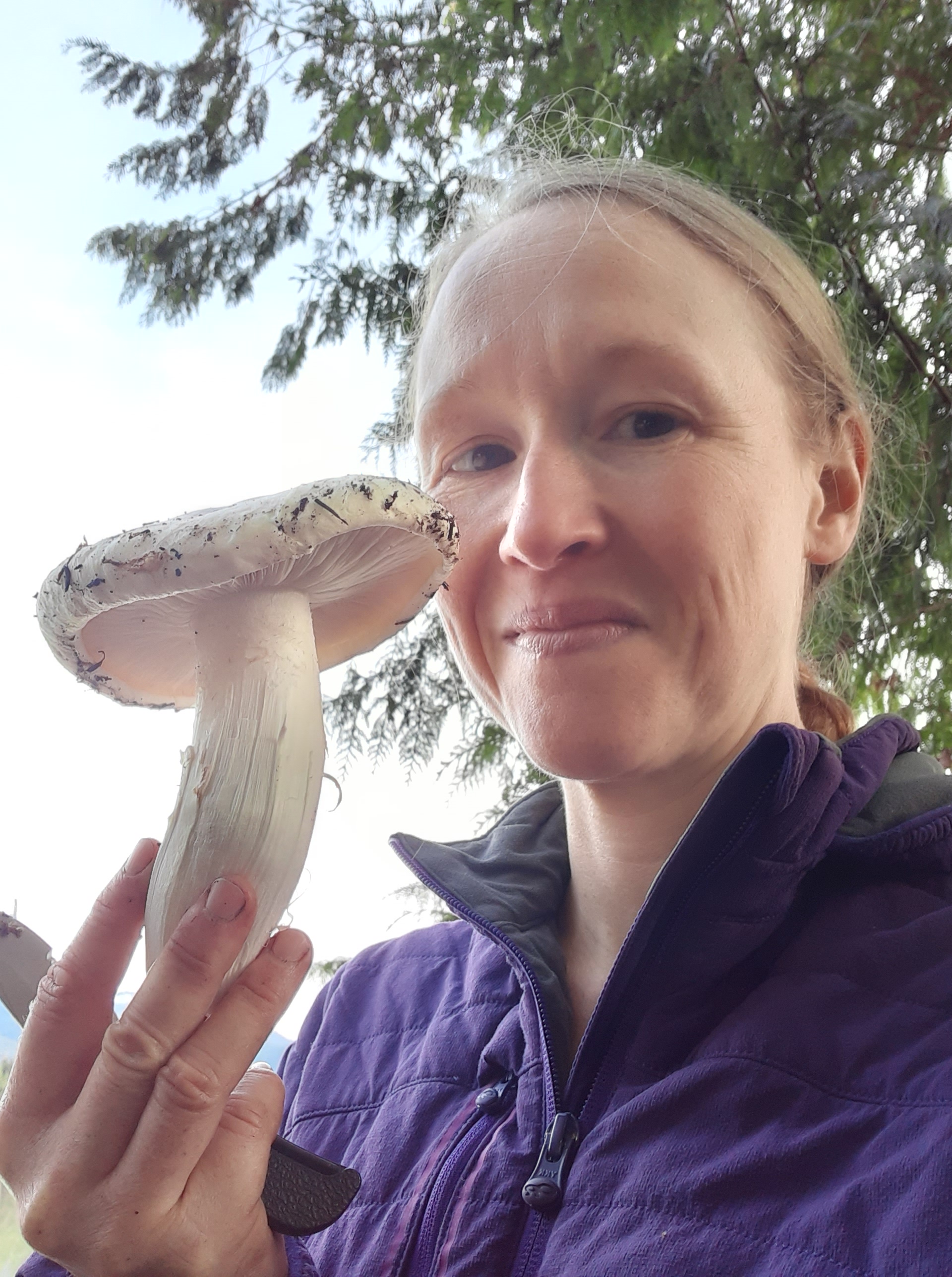
Top left and middle: Purple waxcap or Cortinarius violaceus with purple jacket for color comparison; top right/bottom left: a species of Clitocybe; bottom right: a beautiful Boletus edulis that was snatched by another hiker. The hard lesson with boletes is to pick them when you see them and not wait till you are hiking back to the car…they just scream tasty with their cute plump freshly baked bun look!

Lighting is everything and can make the shot. Though often where mushrooms are growing, it appears to be an enchanted fairy forest. Moss and ferns are often companions of abundance.

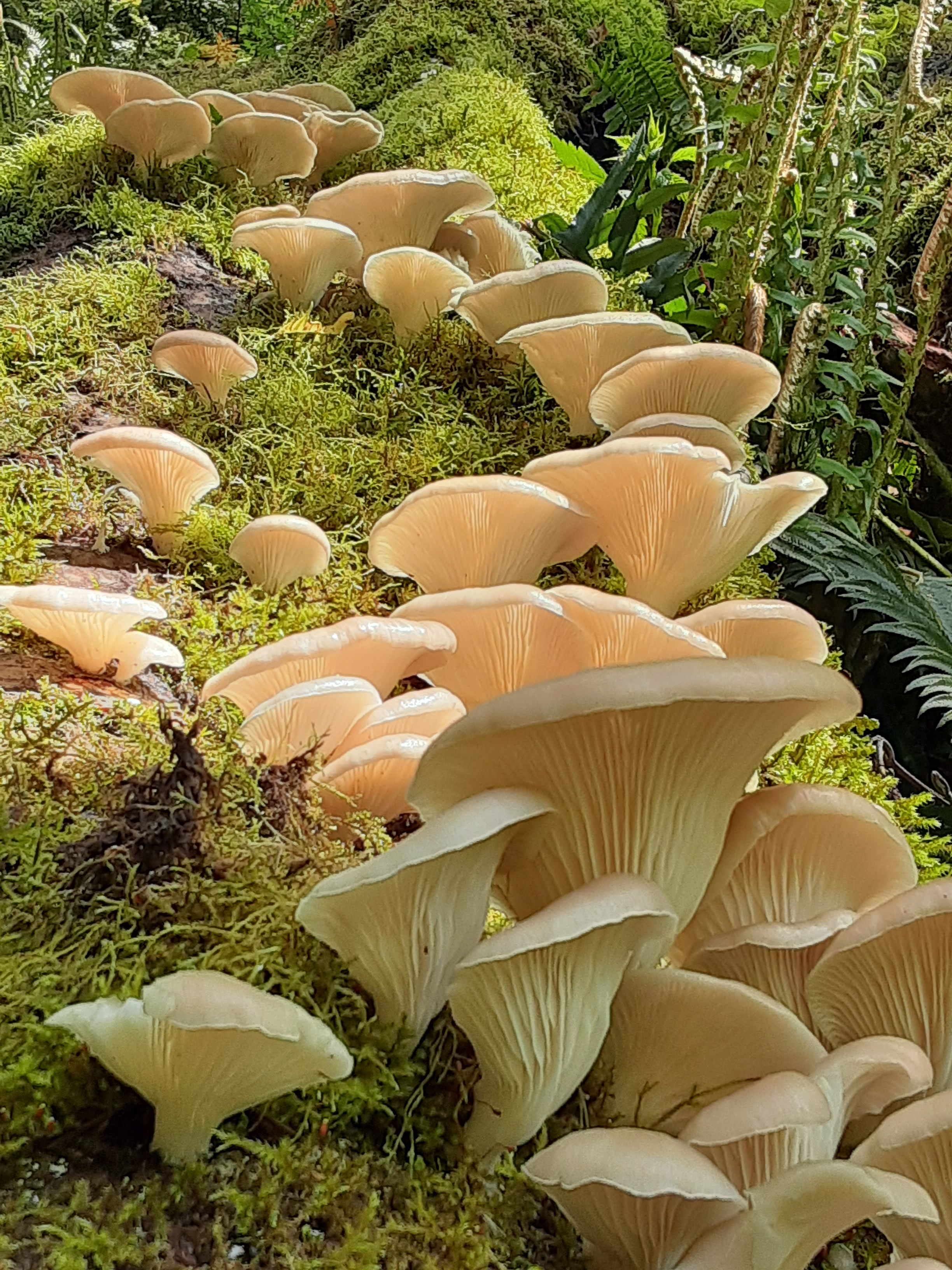
Top left: Sarcodon scabrosus or bitter hedgehog that is described as smelling like a bad fart; top right: Pleurotus populinus aka oysters on an alder log; bottom left: Reishi or Ganoderma oregonence; bottom middle: possibly another type of reishi; bottom right: chanterelles, likely C. cascadensis due to chunkier nature

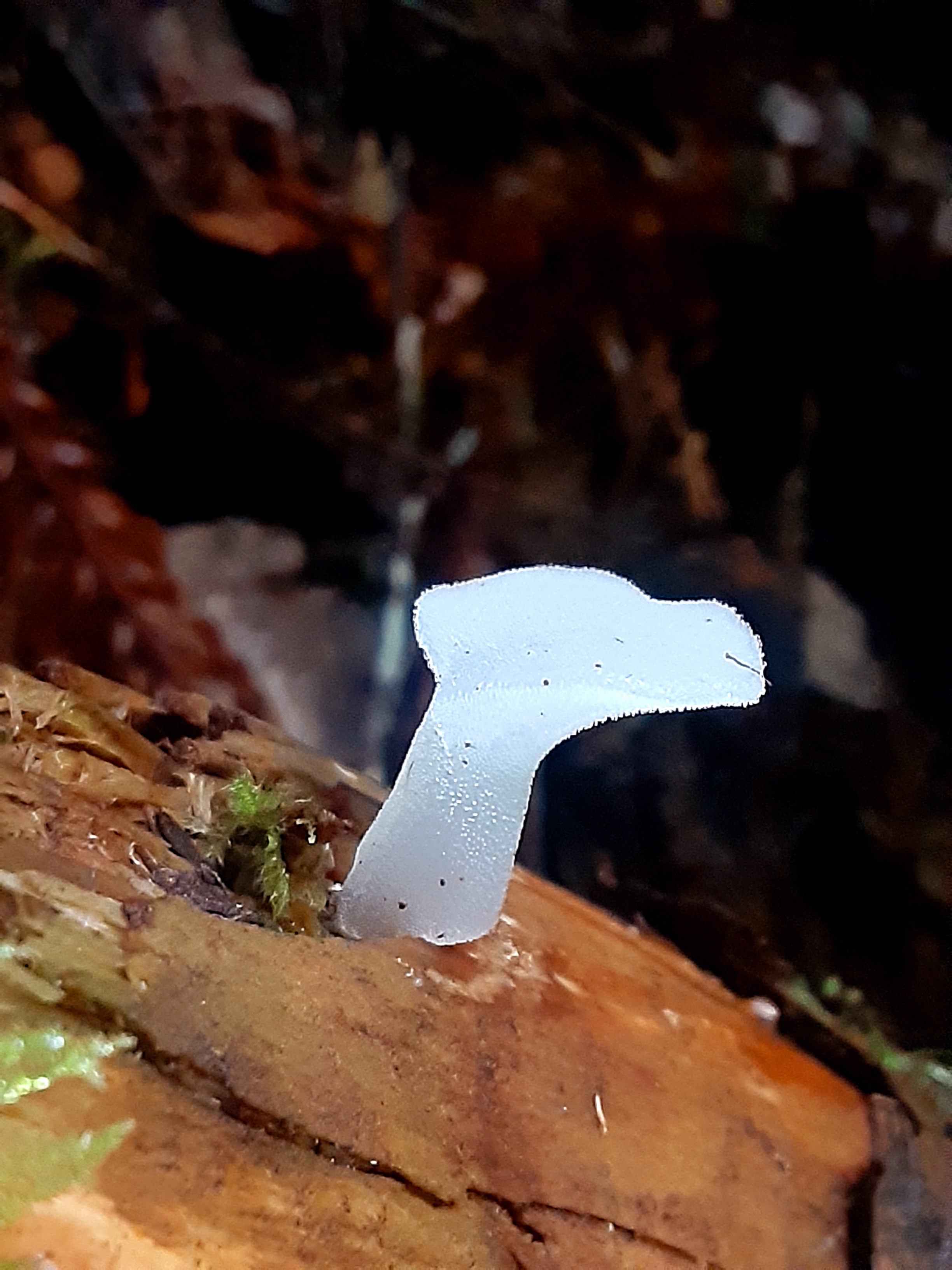
Pseudohydum gelatinosum: toothed jelly or cat’s tongue or false hedgehog or white jelly mushroom. These look like they should glow in the dark, alas, they do not. Apparently people like to candy these. Gummy shrooms anyone?

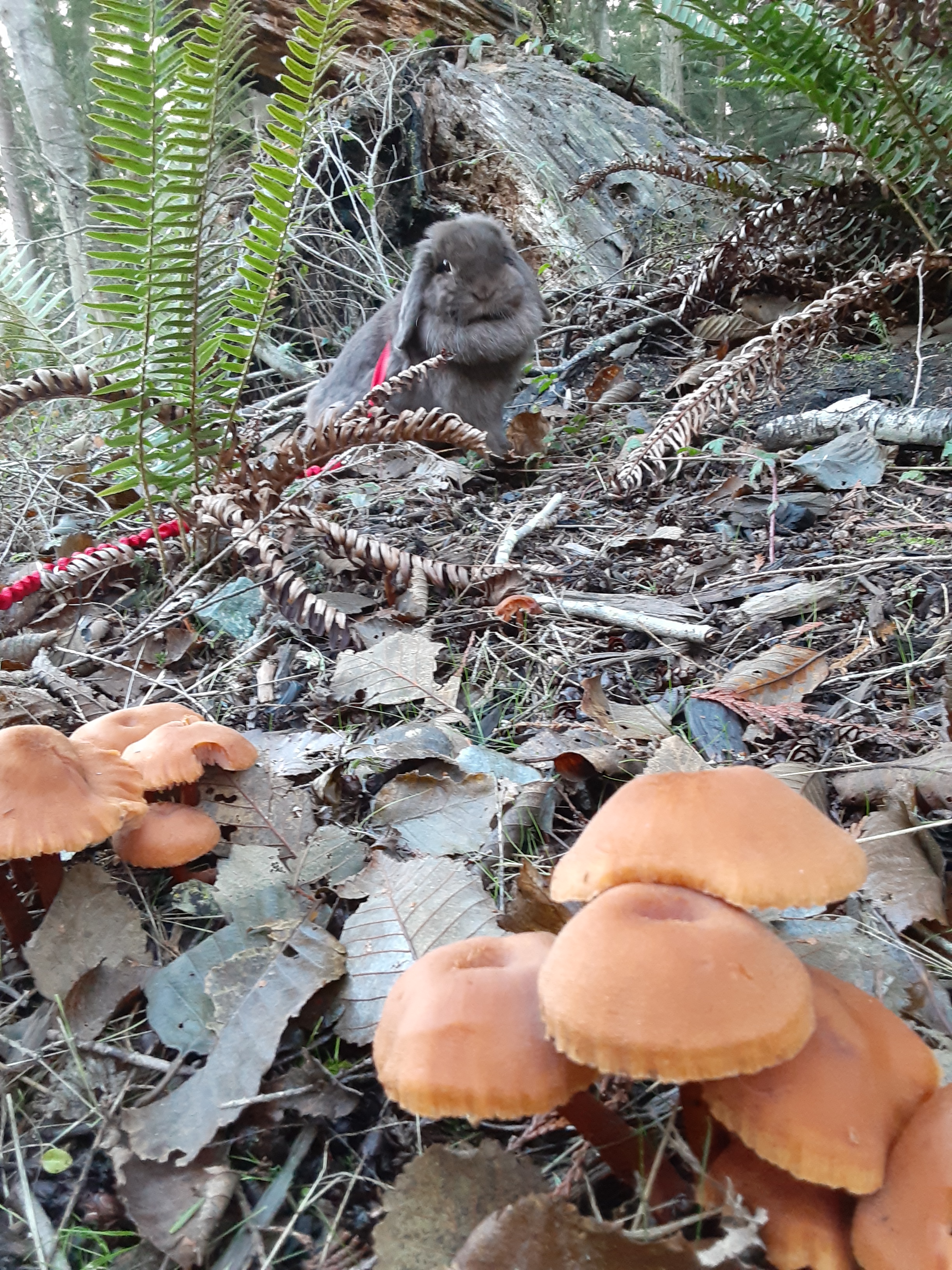
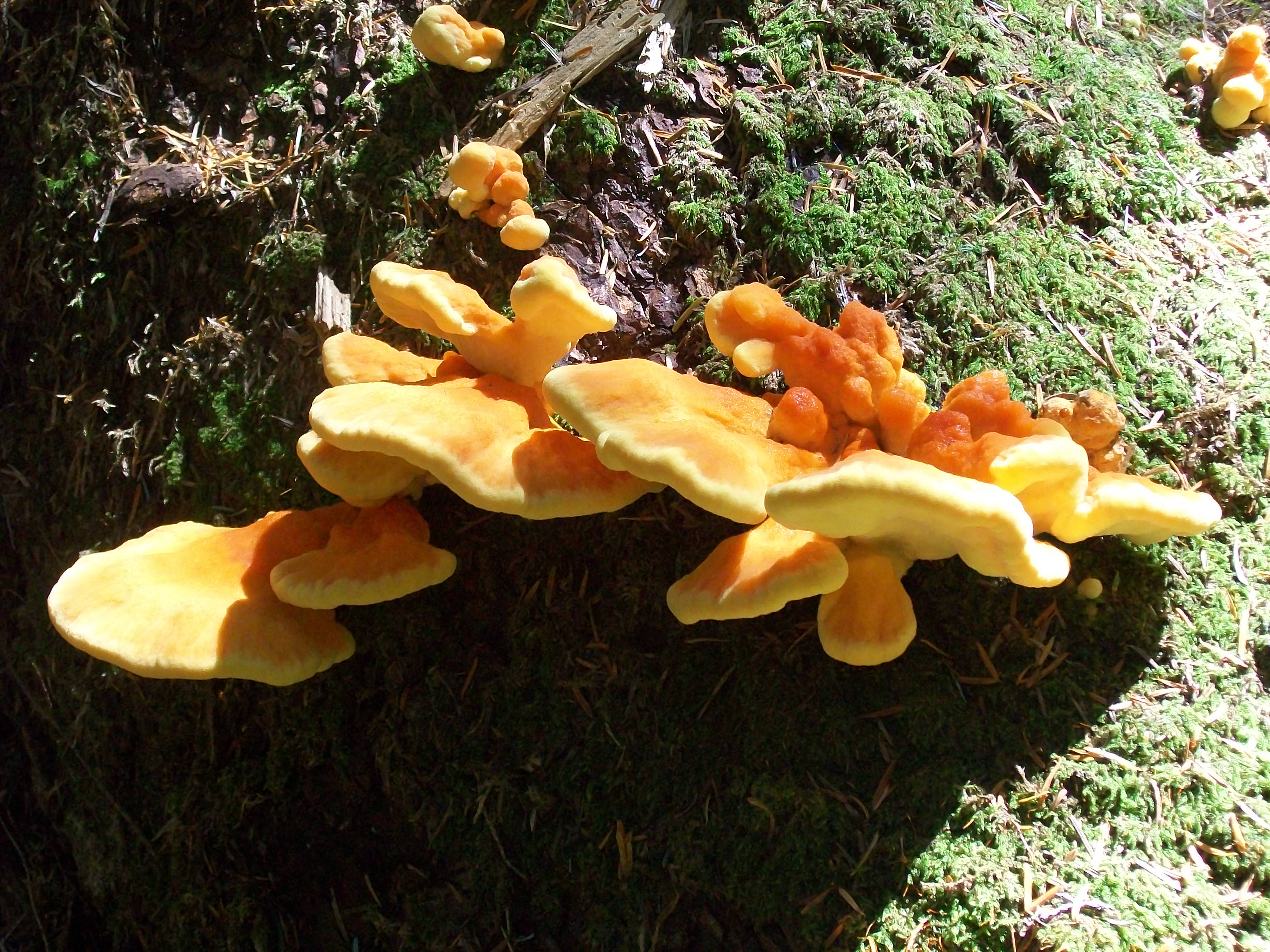
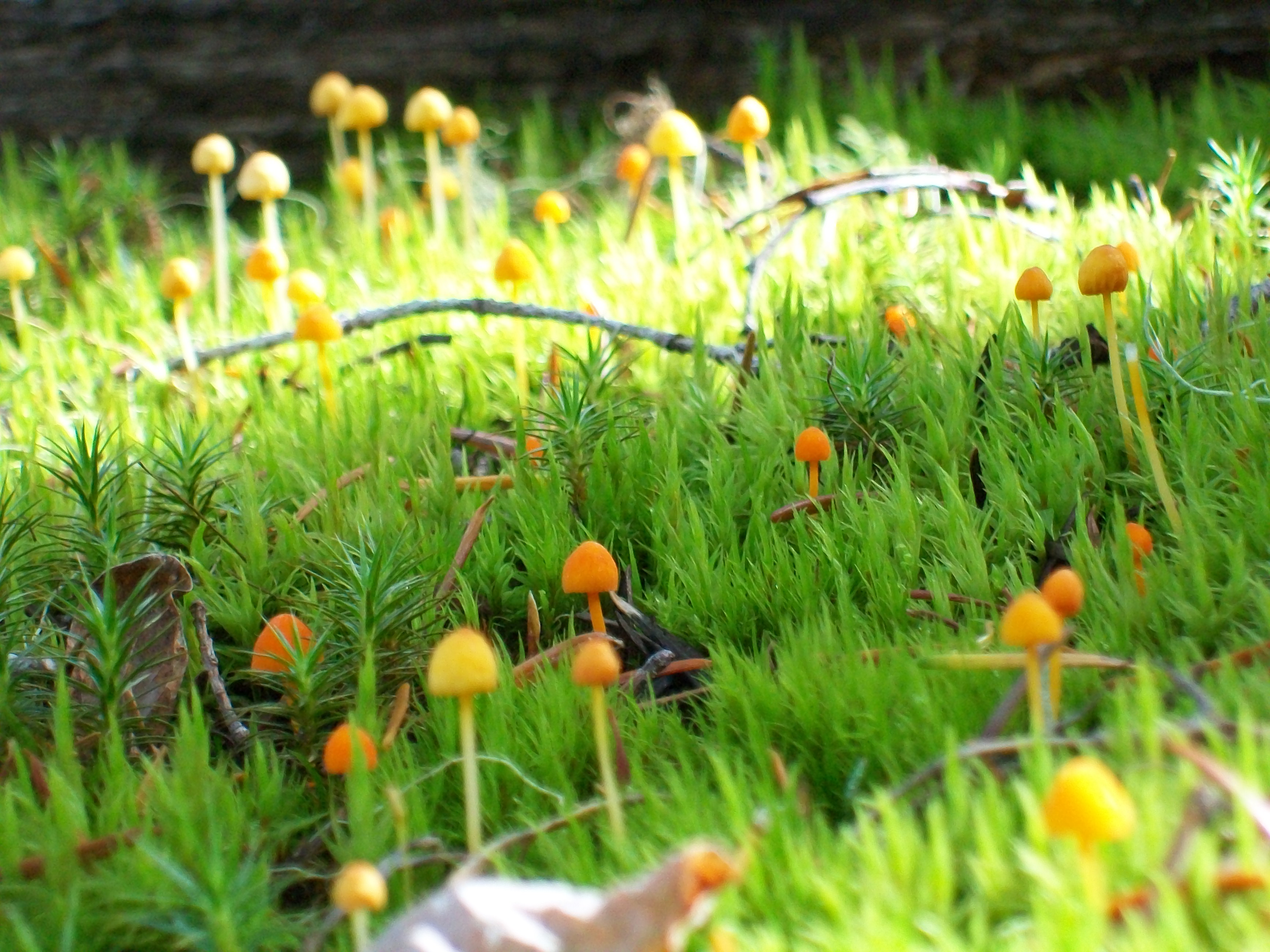
Orange is the theme: left: possibly a Laccaria bicolor with CoCo in the background; top right: Lactiporus conifericola aka Chicken of the Woods; bottom right: possibly Mycena strobilinoides or one of many types of fairy bonnets seen popping out of the duff and mosses.

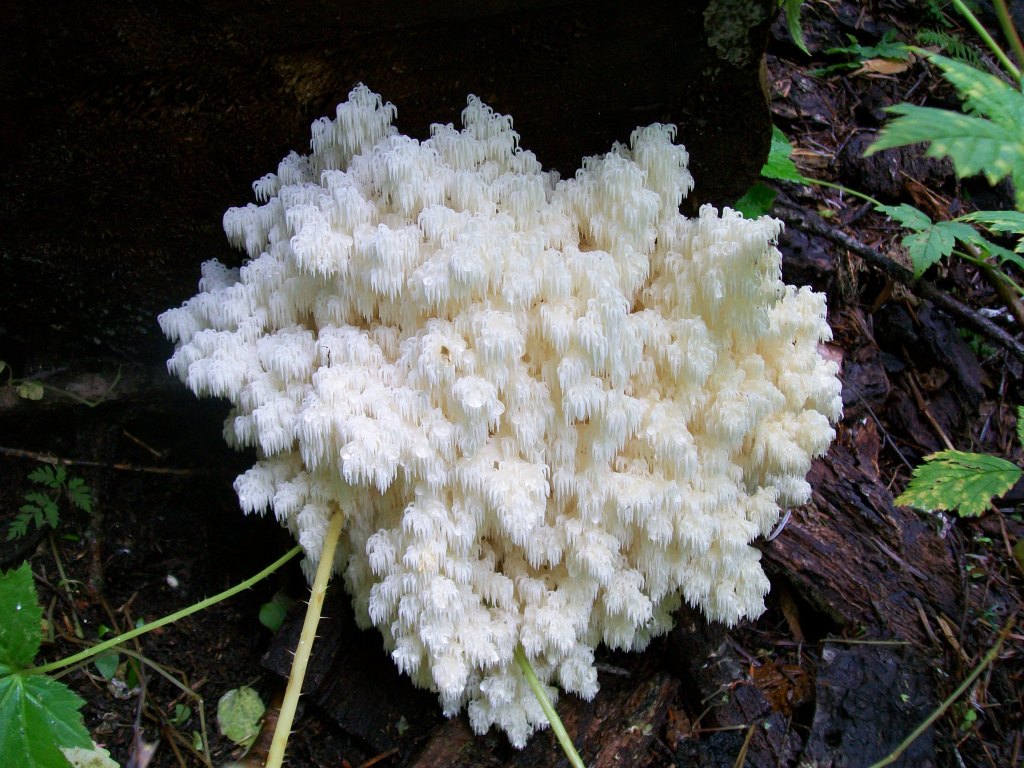
Above: A sweet heart shaped Lion’s Mane (Bear’s Head) with Latin name Hericium abietis 2019

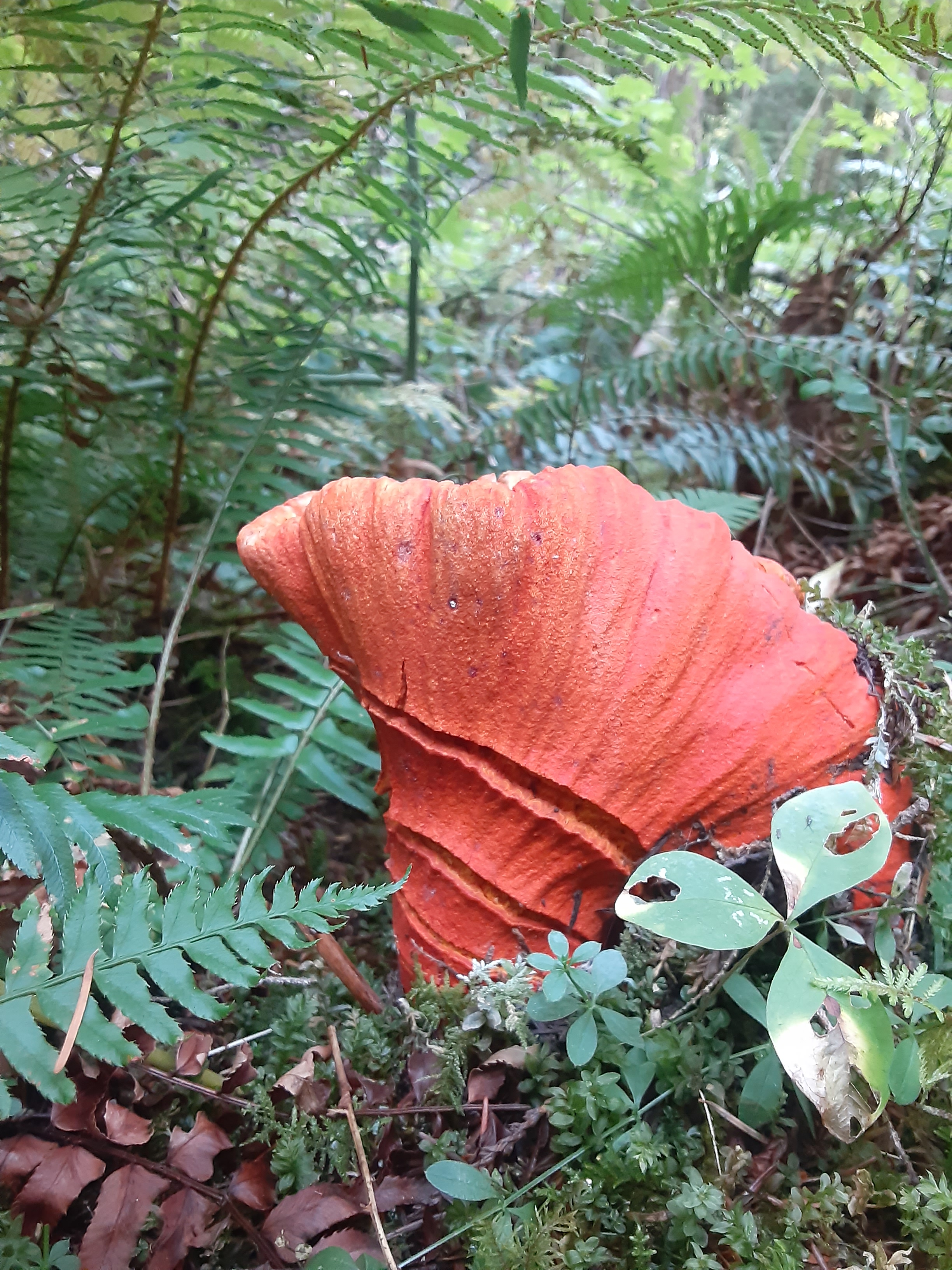
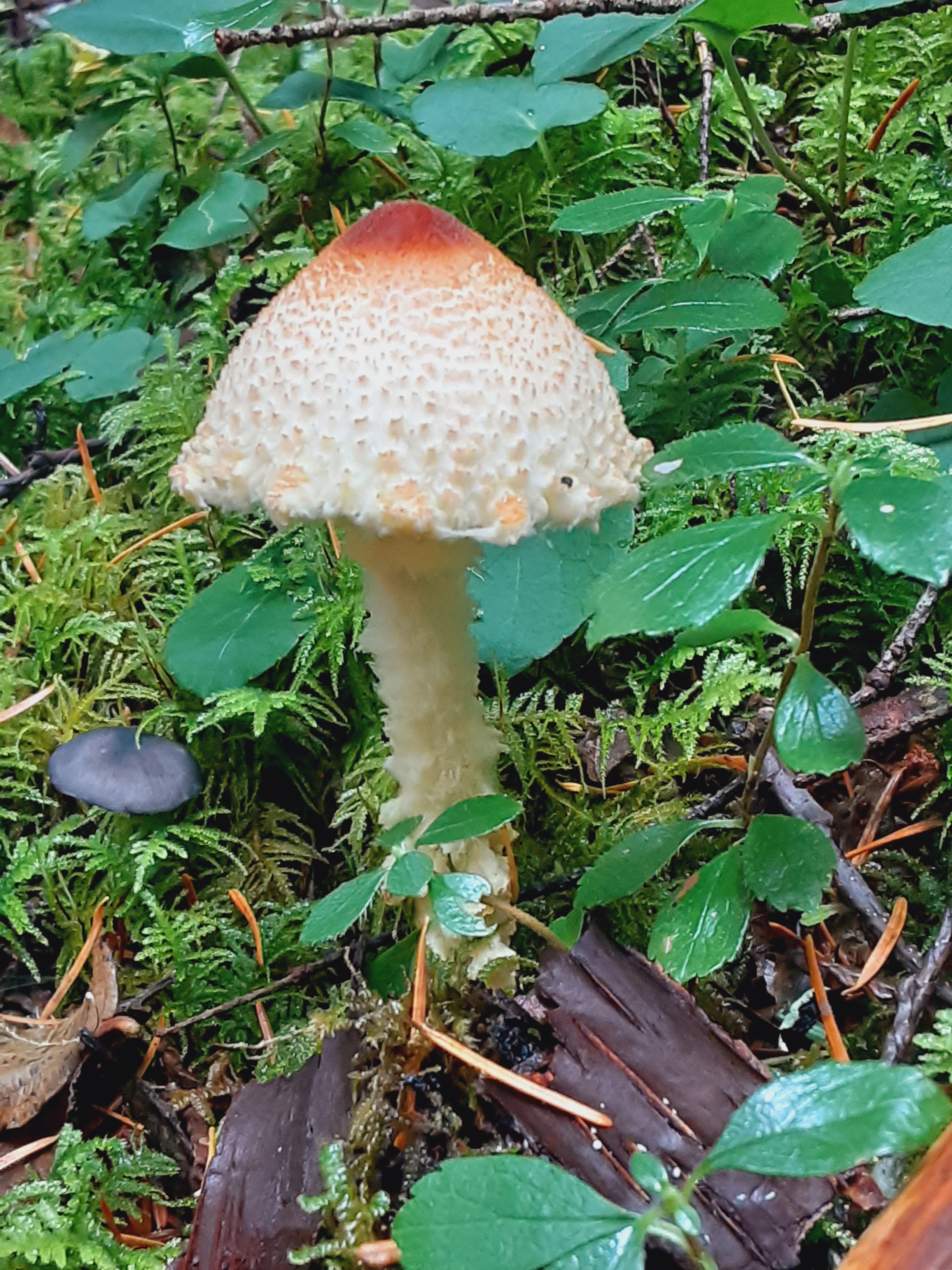
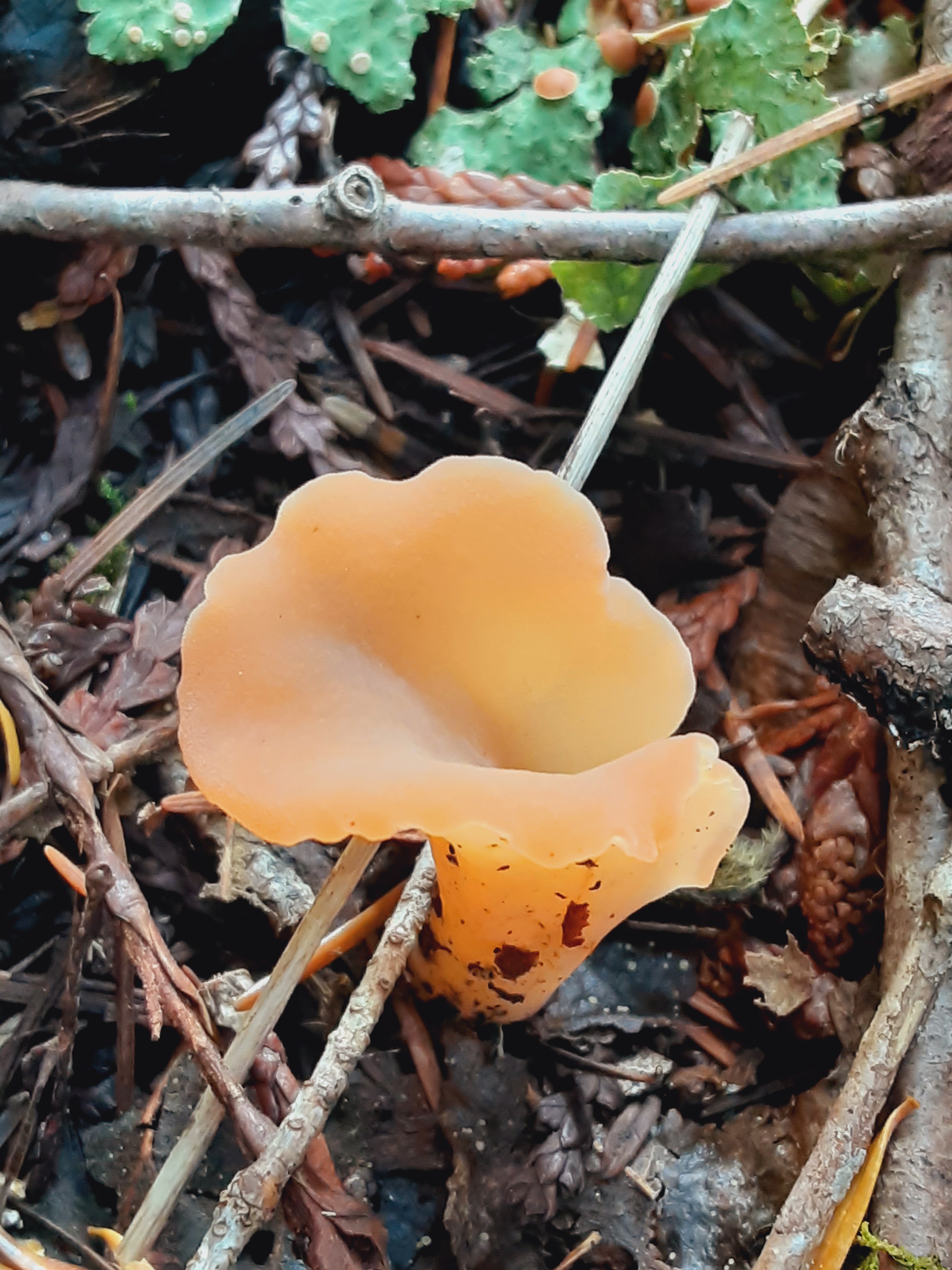
Top left: Pleurocybella porrigens or Angel Wings; top middle: Tricholoma magnivelare or Matsutake; top right: a monster sized Hypomyces lactifluorum or Lobster; bottom left: a shaggy Lepiota magnispora; bottom right: Guepinia helvelliodes aka a super adorable apricot jelly fungi

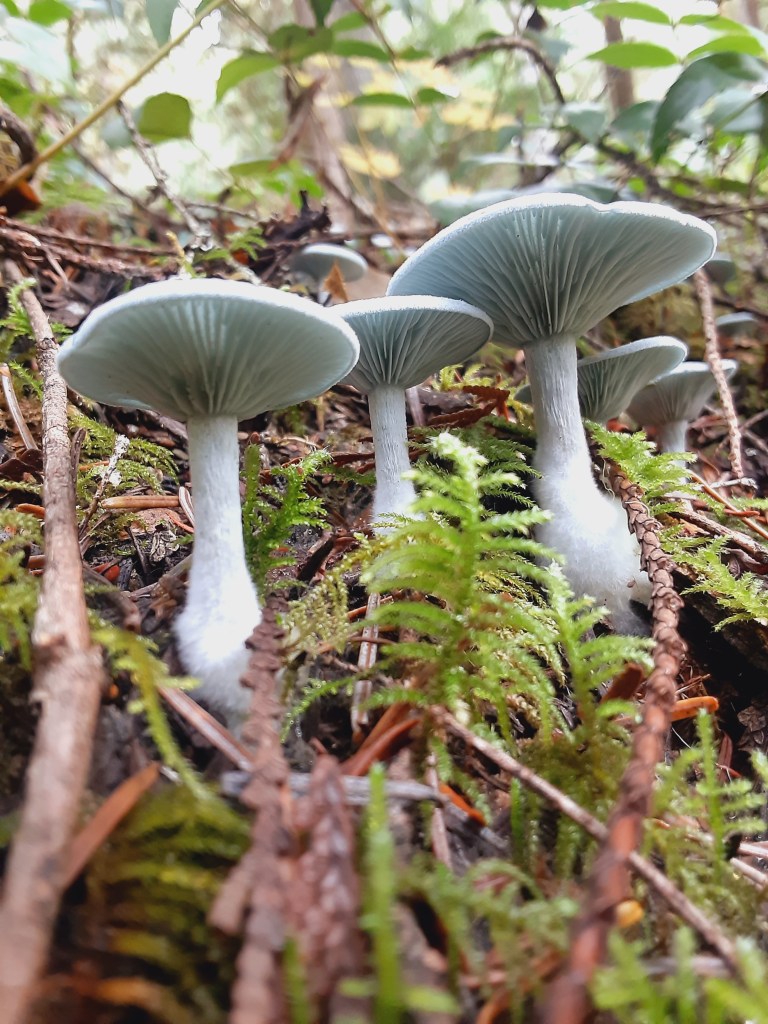
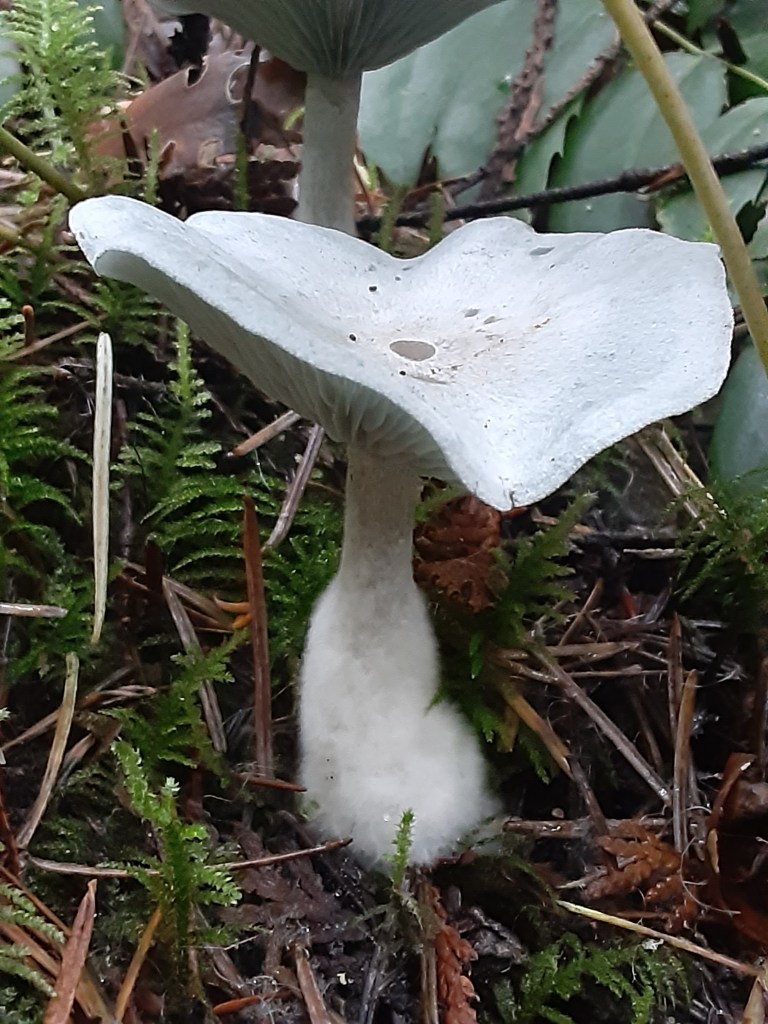
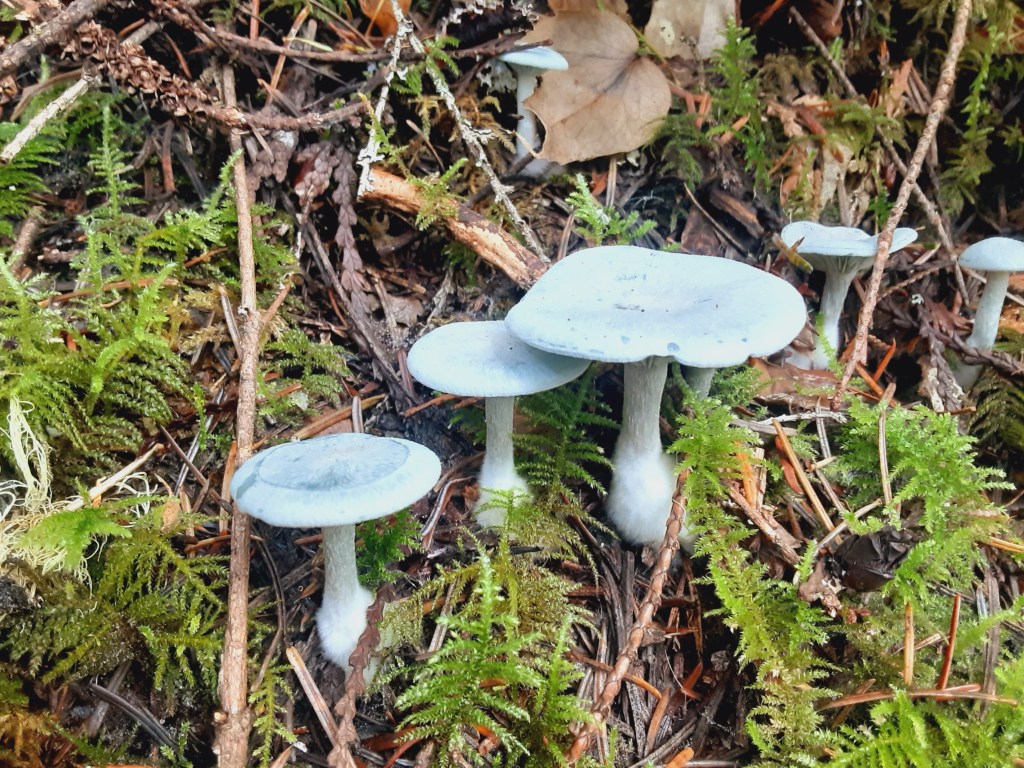
This set is of Anise seed Caps! The pale blue coloring with the fuzzy mycelium base had me in a state of photographers joy hopping around in delight at their enchanting adorableness. The Latin name for these beauties is Clitocybe odora. I did not harvest any of these, for the colony was just too magical.

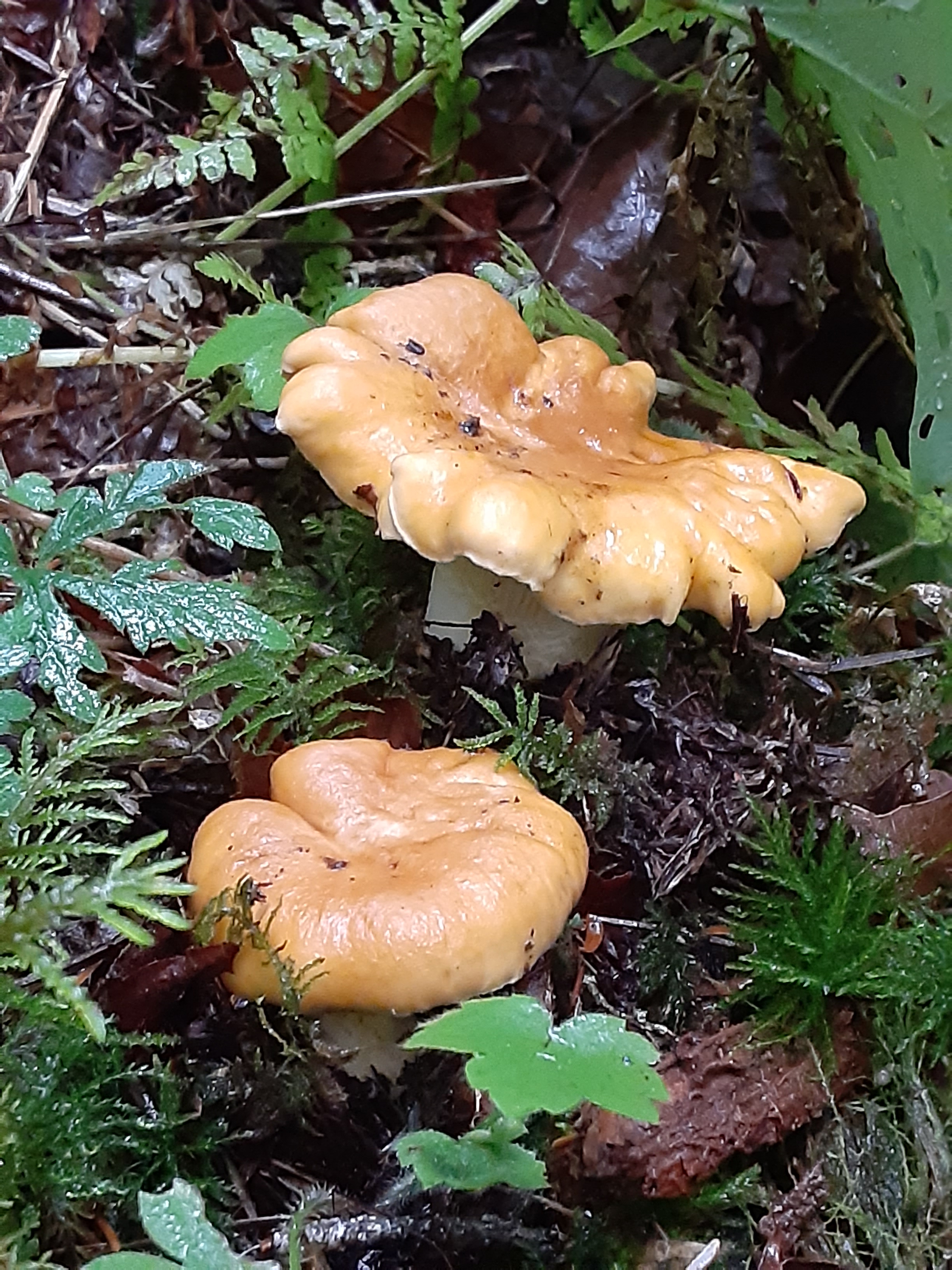
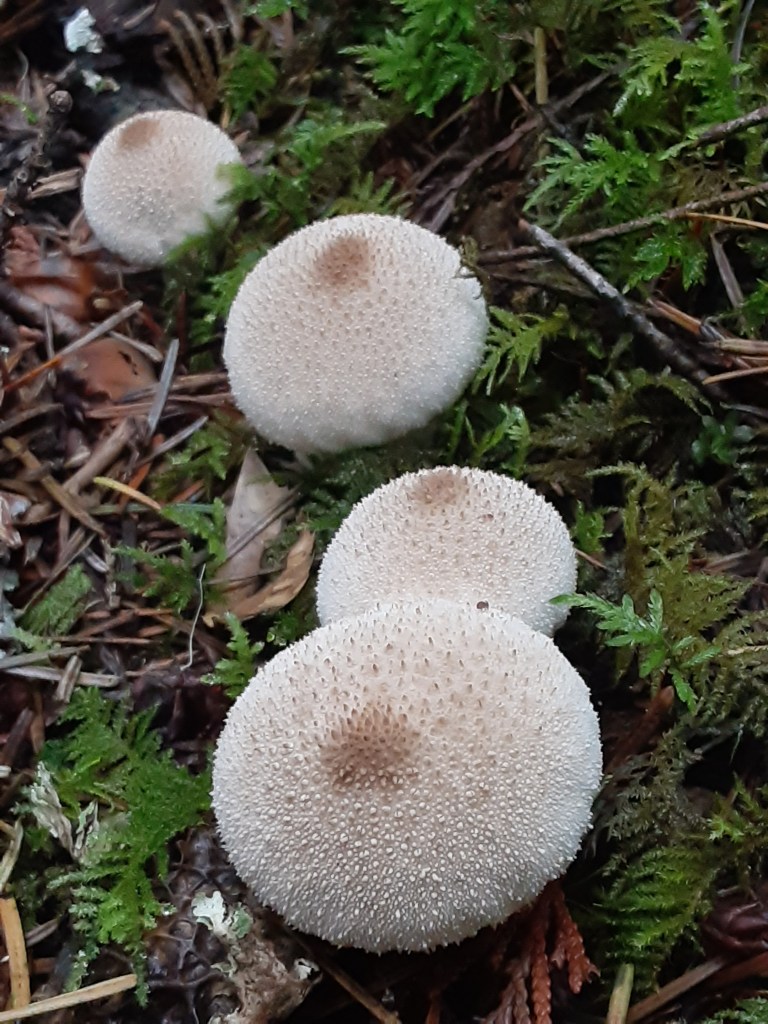
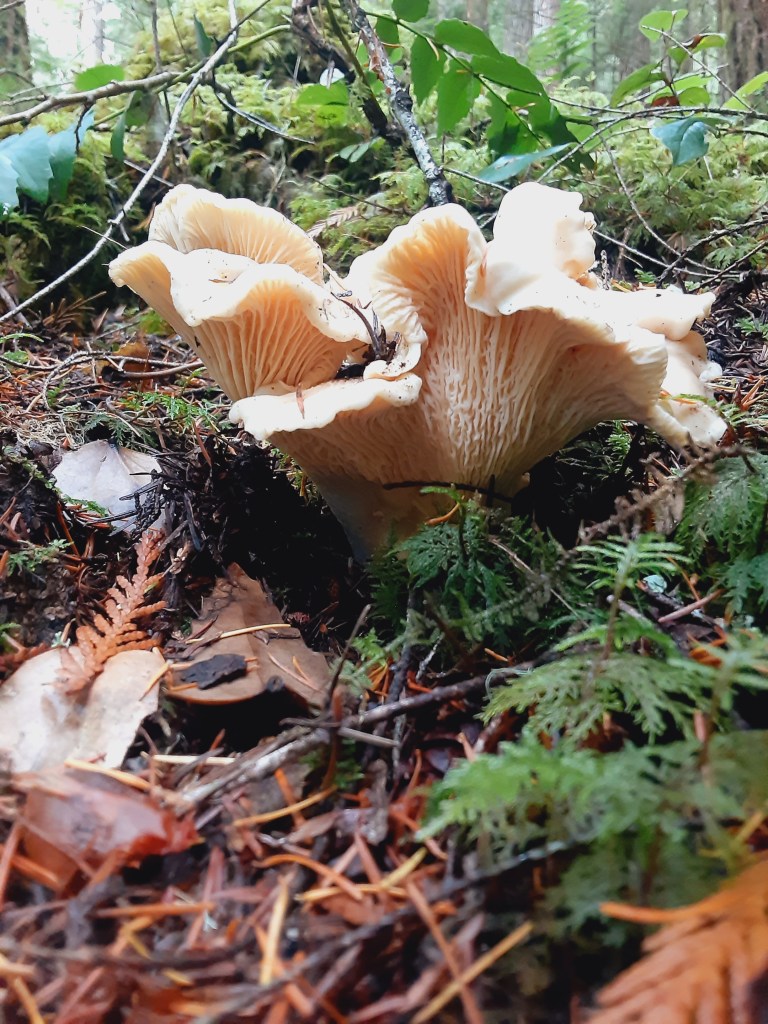
Top left: Rosy polypore or Fomitopsis cajandari; top middle: Lycoperdon perlatum or puffballs; top right: Cantharellus subalbidus aka white chanterelle; and bottom: a humongous chanterelle that is possibly a Cantharellus californicus! They are quite tenacious to harvest and this lovely heart shaped specimen stayed put. Sometimes pictures are the only thing you take with certain mushrooms, even the super yummy ones.

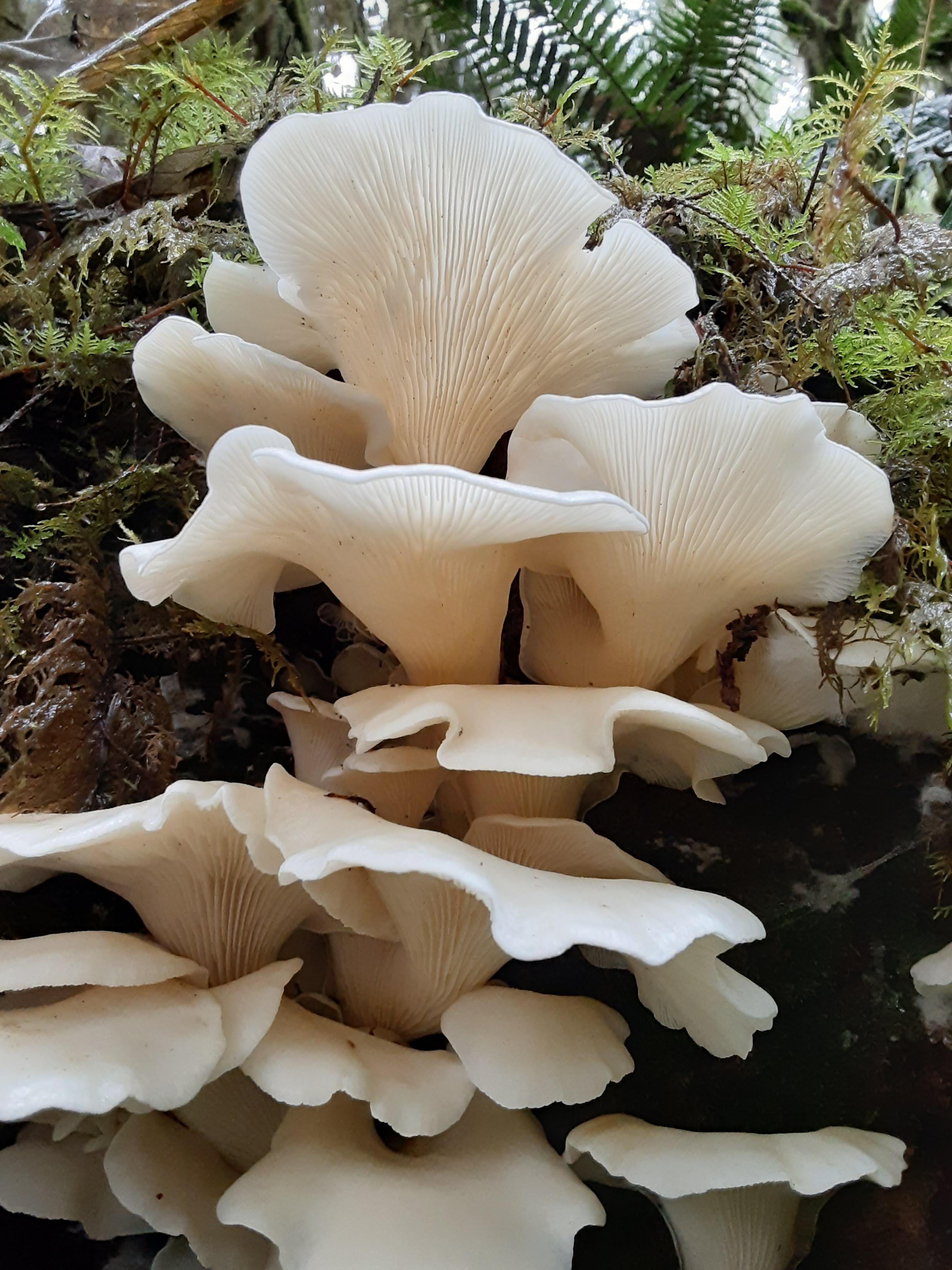
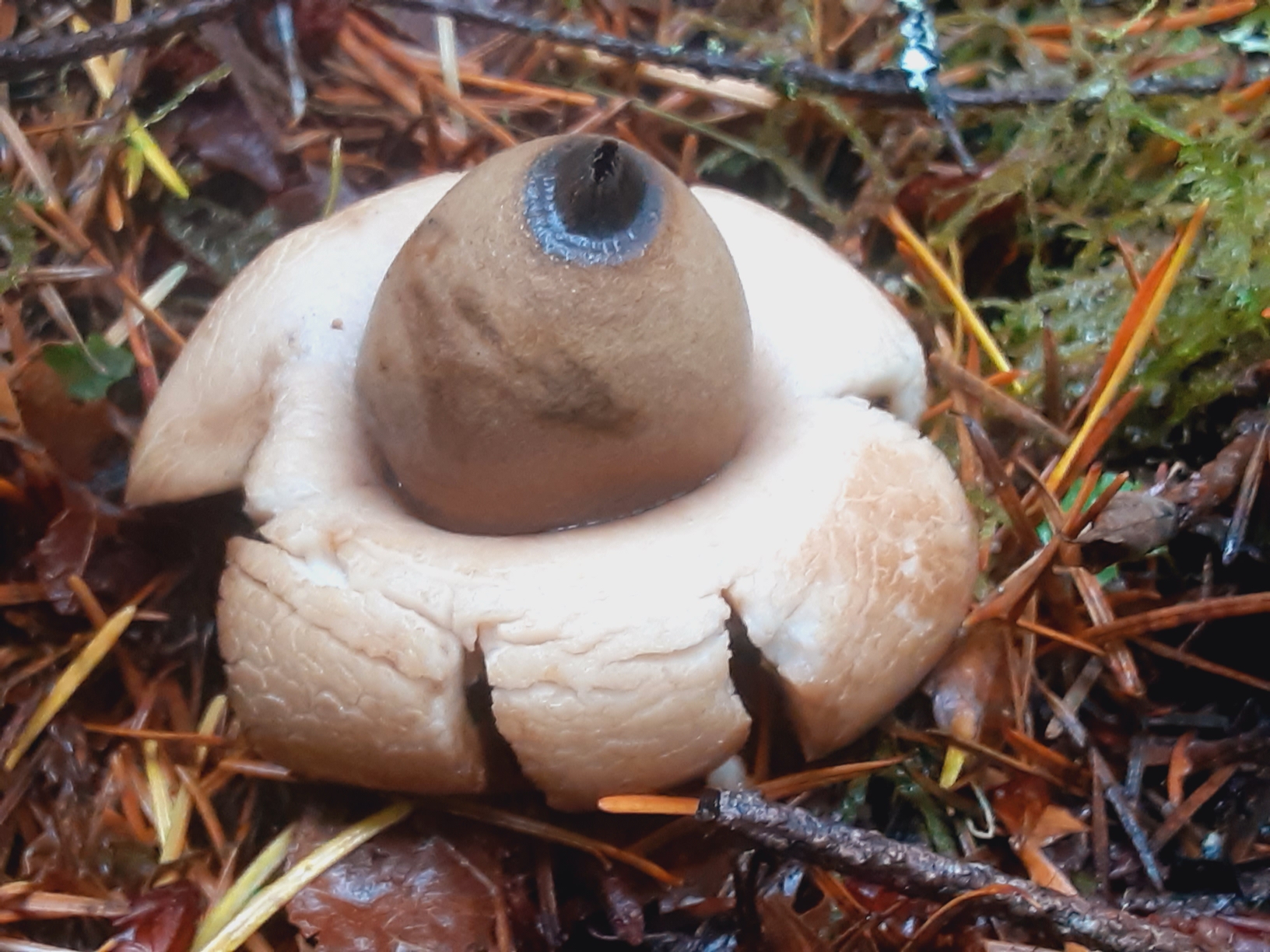
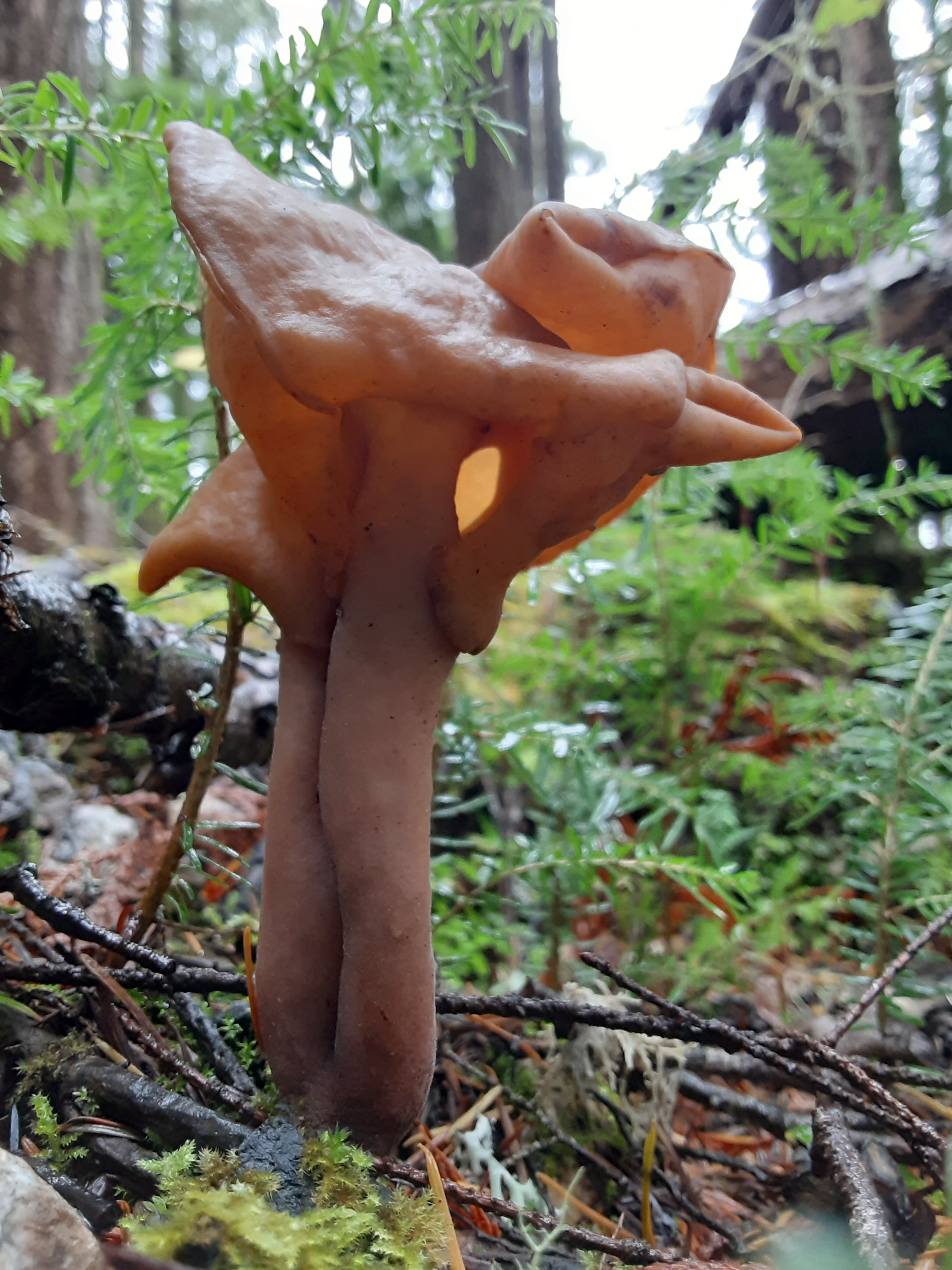
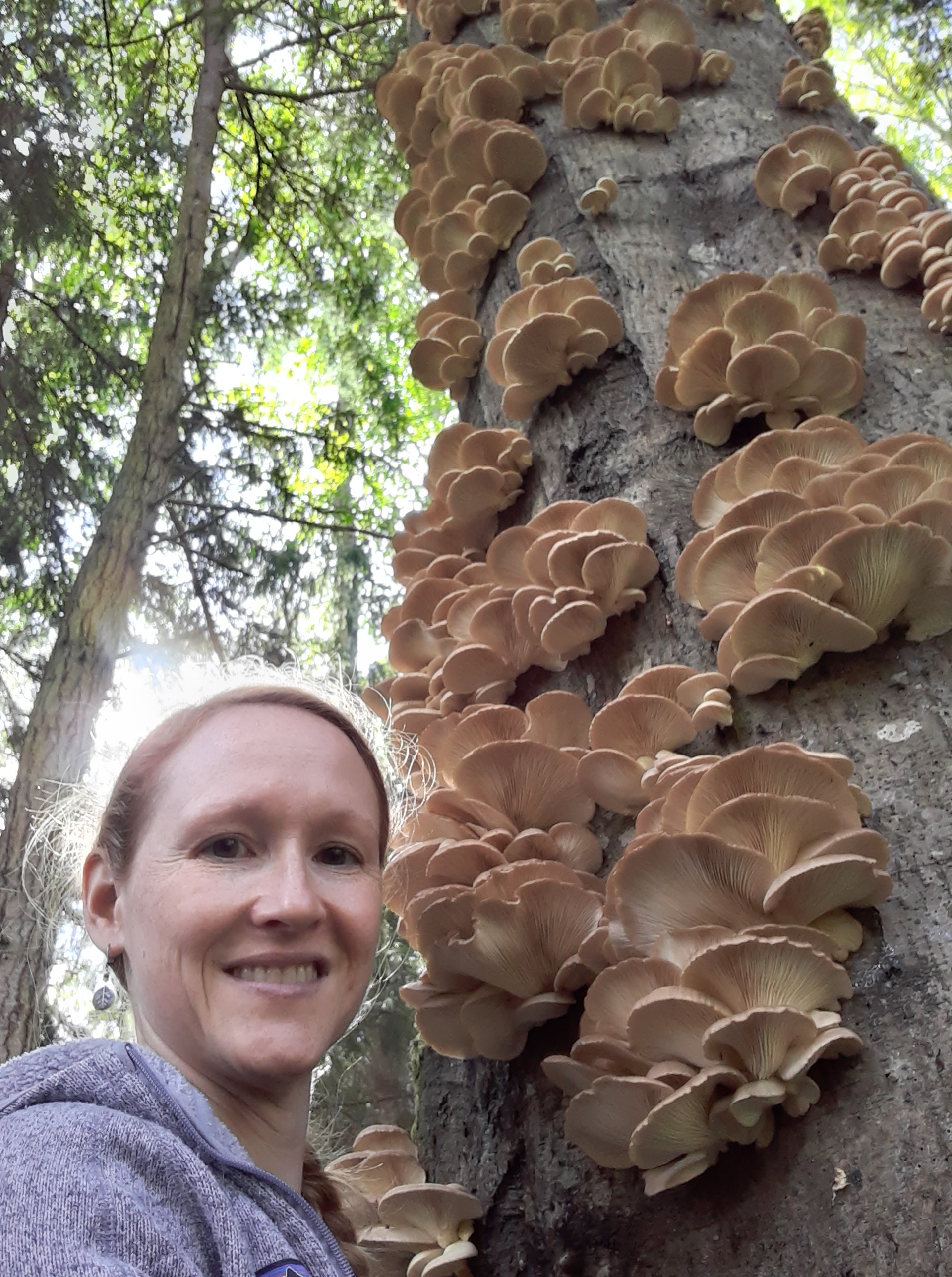
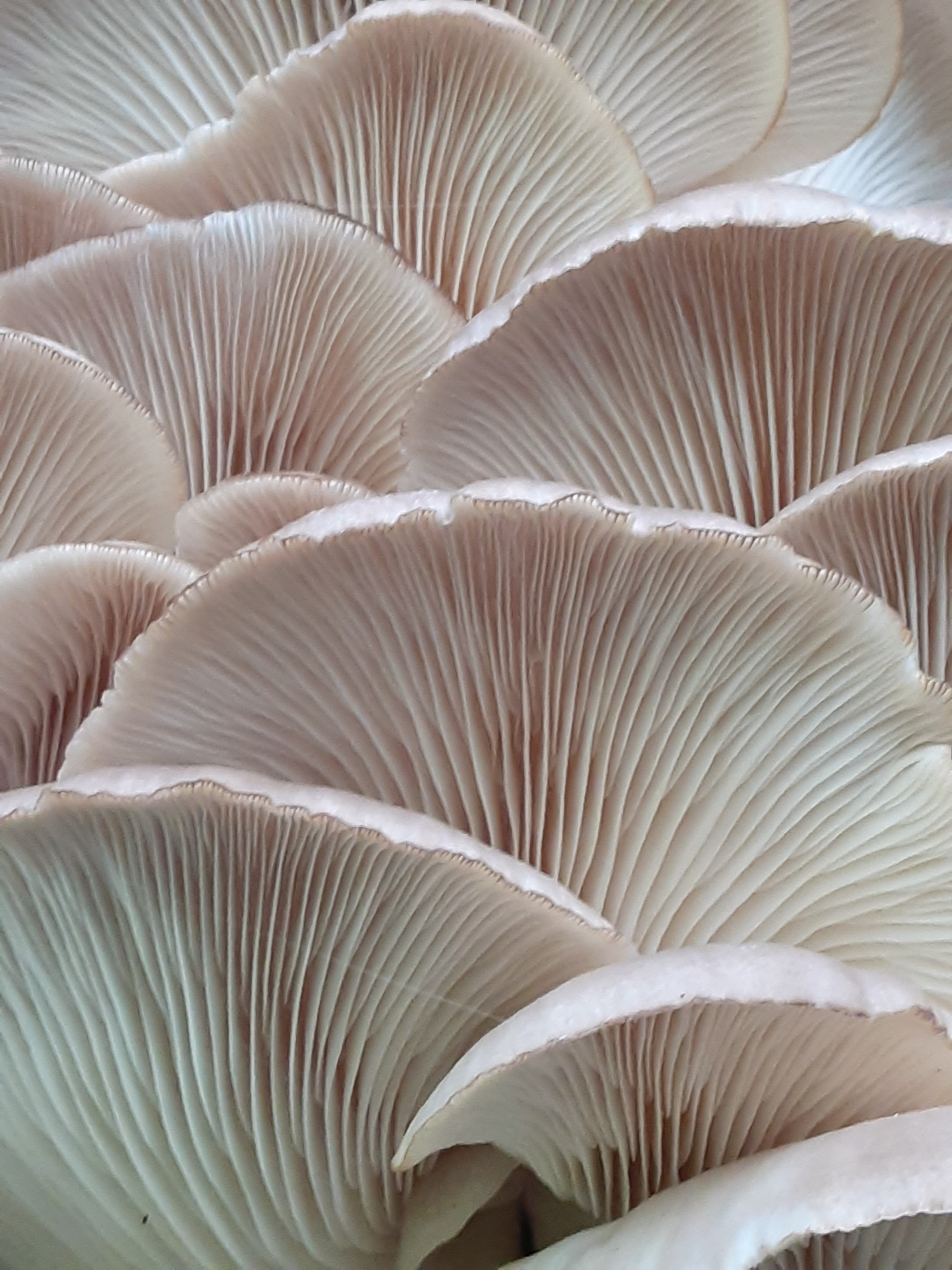
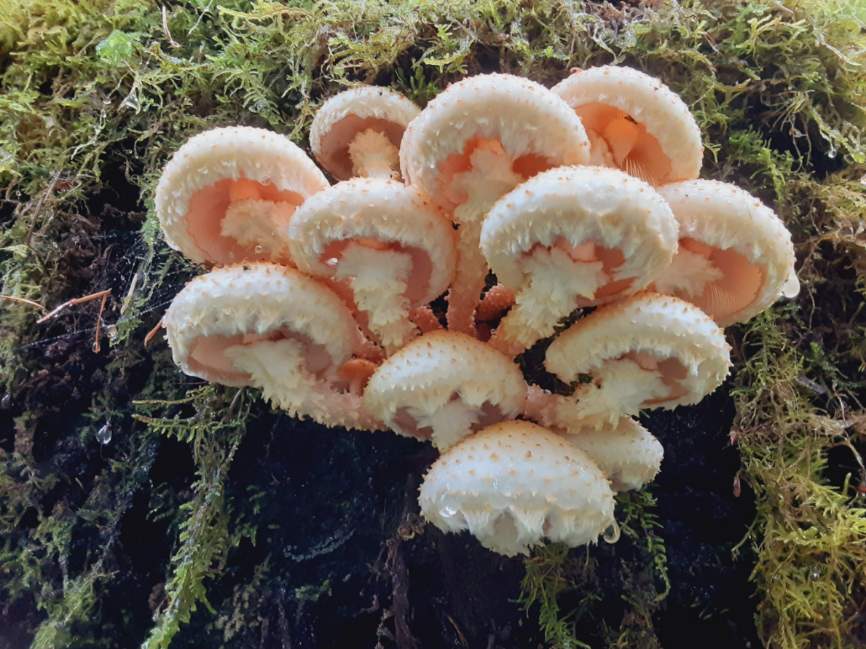
Top left: Earthstar puffball or Geastrum saccatum – my first ever sighting that had me squealing in delight; top right: hooded false morel or Gyromitra infula; bottom left: oysters; bottom middle: oyster closeup; and bottom right: Pholiota squarrosa or shaggy scaly caps

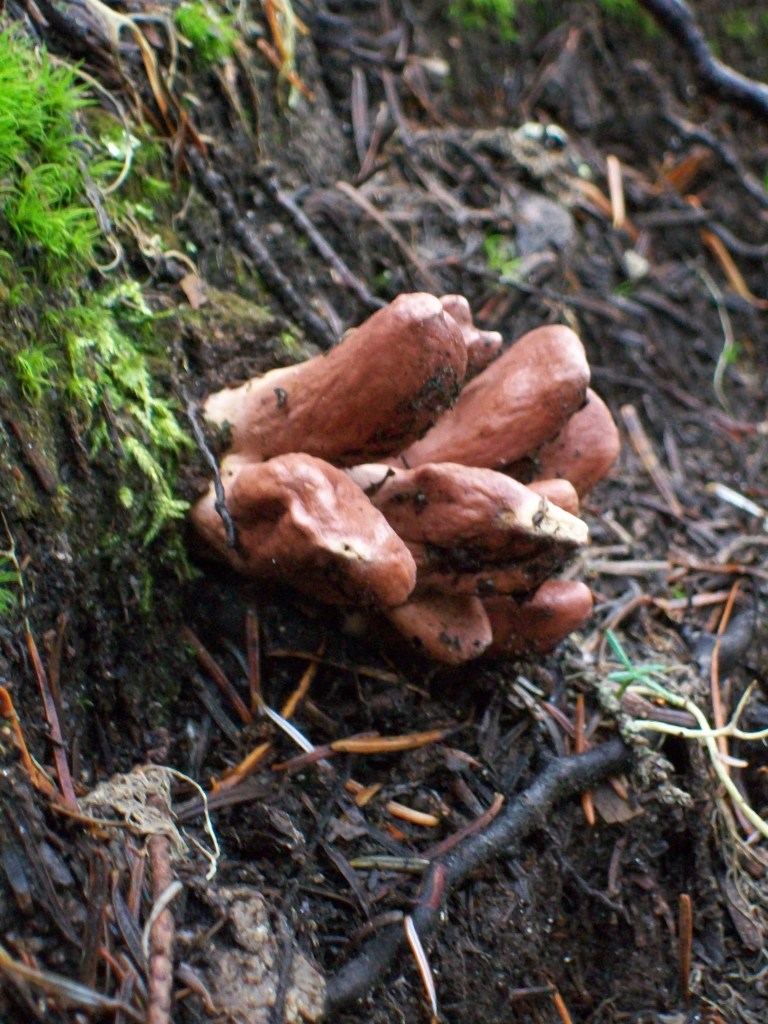
Last but not least, some dead guys fingers poking from the ground…just kidding! They may be an immature club fungi in the Clavariadelphus genus, I am quite unsure of this ones ID.

I could keep going with this blog project and as the mushroom seasons draw to a close with winter coming. While I am a little sad about the season ending, I am excited for next year. The new goal next year is to take higher quality pictures with the Canon and start working on a coffee table book!

Salicornia ssp: Sea Beans

By Stacy Wallace

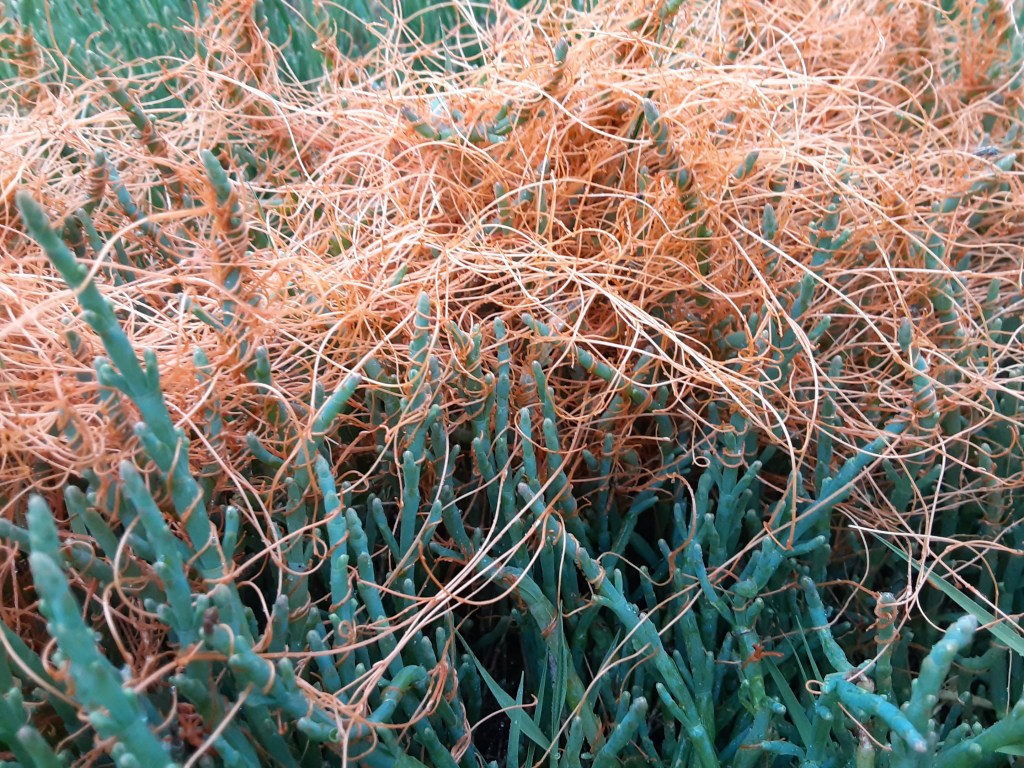
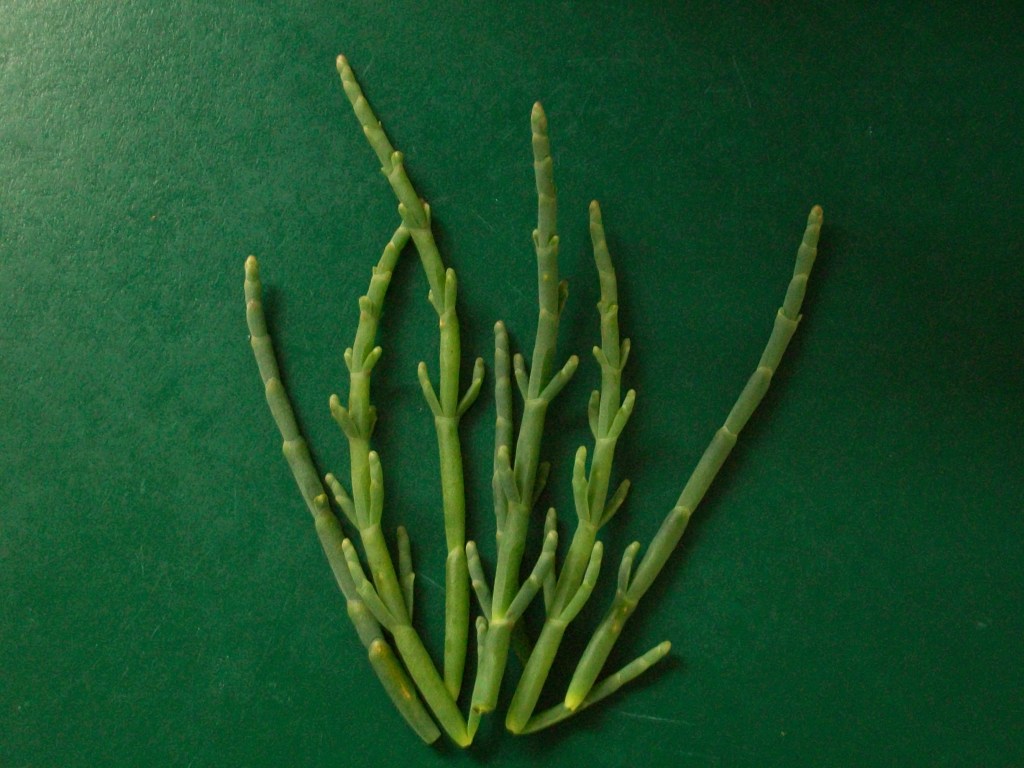
Sea Beans with parasitic dodder

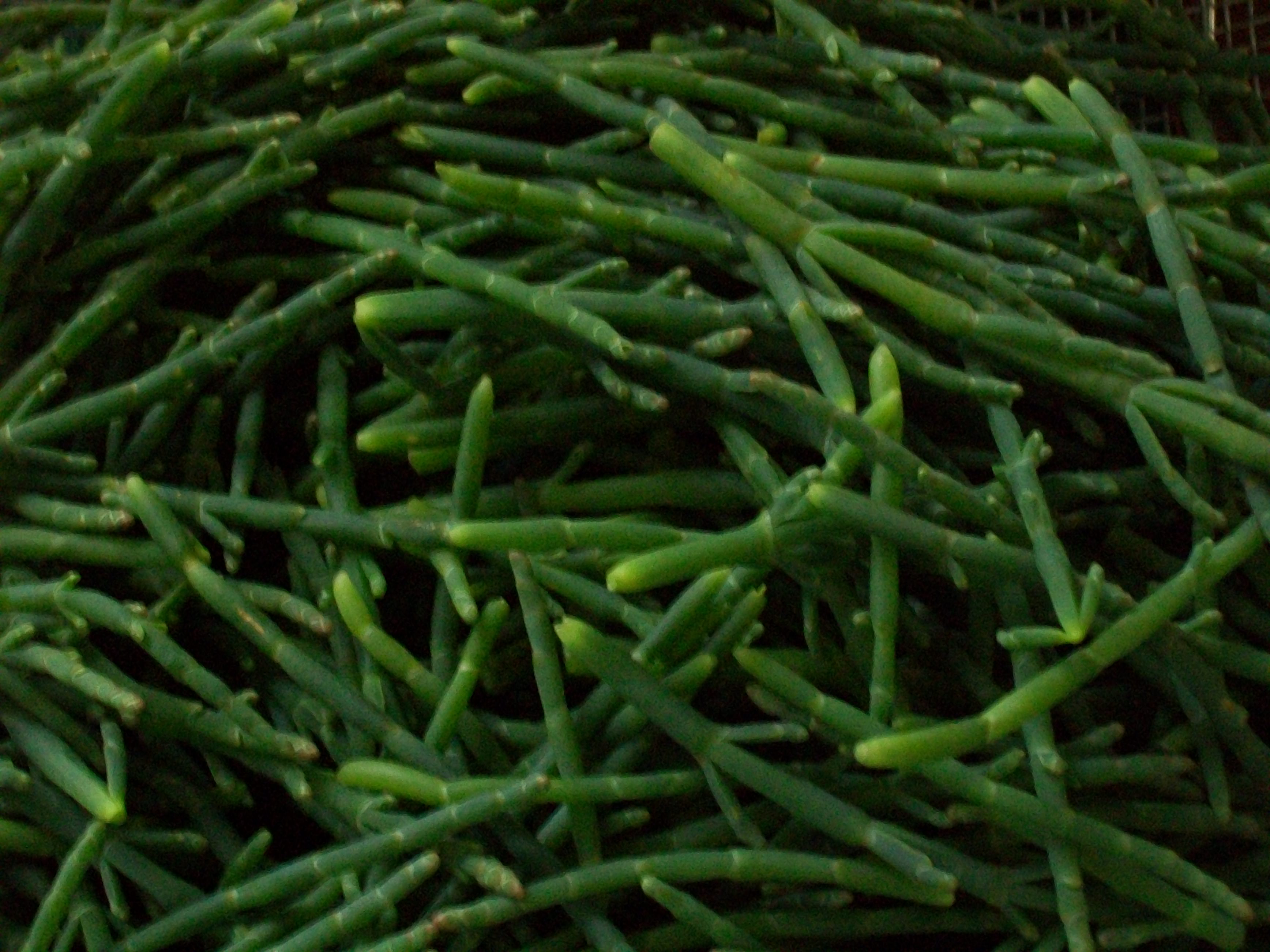
Here’s a saltwater veggie that grows in many places around the globe and has been eaten by many cultures! They go by various regional names like sea asparagus, samphire, pickleweed, and glasswort in English speaking countries; hamcho in Korea; sakikusa which is Japanese for “3 branches,” and more. This cute little succulent is a halophyte, found growing along high tide lines along ocean beaches, in salty lakes, marshes, and mangroves around the world. They go well with seafood dishes or any dish you want a crunch salty wild green flavor. They can be sautéed, blanched, pickled, or even eaten raw. Soaking, blanching, and cooling quickly in fresh water a couple times will remove some of the salty flavor if not desired. Hold the salt when seasoning!

Ready for a recipe!

The name samphire had me curious as to the origin of the name. Initially I though “salt vampire” since it is a halophyte. Alas, as funny as that would be, that name is thought to be derived from St. Pierre (sampiere), the patron saint of fisherman. The name glasswort came about in England where it was burned to make soda ash used in the making glass and soap.

Close up of the morphology…
Botanically speaking, the plant is a sprawling rhizomatic perennial succulent, bright green in spring through mid-summer in Washington. It becomes branched and dense. As summer progresses, purplish brown flowers appear on the tips. It is best harvested before the flowers appear. The top 4-6 inches are preferred, for older growth has a woody core. They can spread, but are a bit delicate, so rather than tromping into the middle of a patch, harvest from established paths and edges.

Sea beans are in the Amaranthaceae family with spinach, beets, quinoa, and other nutritional foods. Sea beans are surprisingly high in protein, with a whopping 10 grams per ½ cup of beans. They are also high in various minerals and vitamins: Vit A, calcium, iron, iodine, and can be high in zinc and copper. Sea beans also contain a variety of antioxidant and other beneficial bioactive compounds. There have been a variety of studies on this interesting vegetable in the realm of atherosclerosis, diabetes, cancer, and premature aging due to excessive oxidative damage.

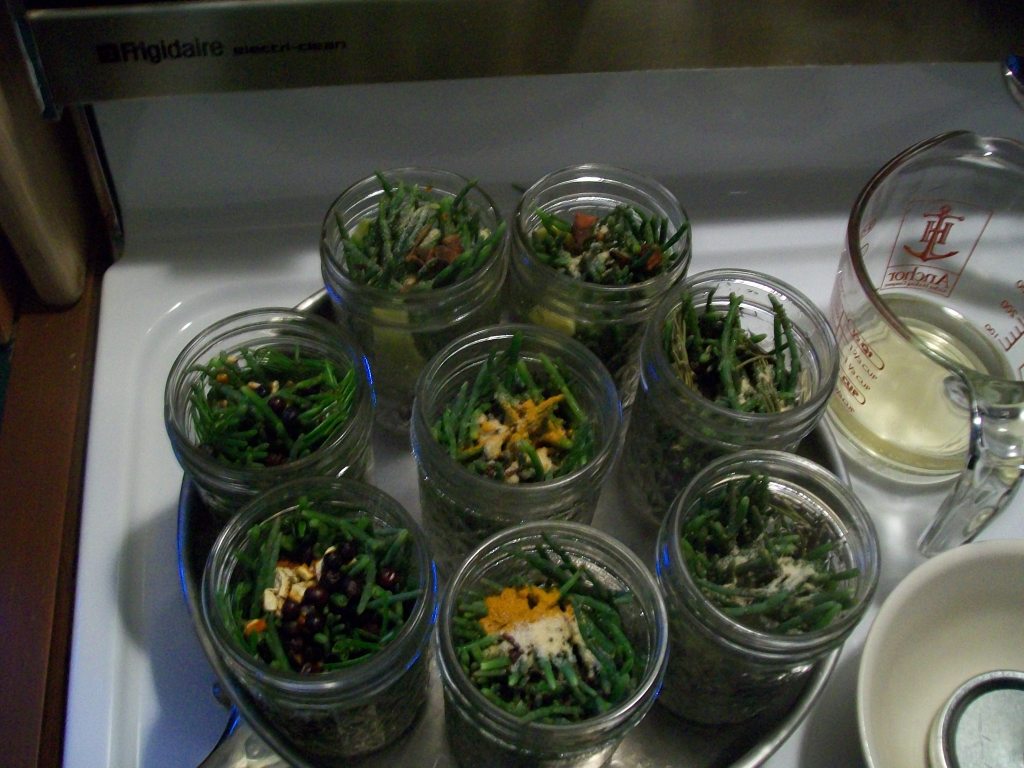
Prep for pickling the sea beans

A few weeks ago, I harvested enough sea beans to experiment with after getting excited about the research on nutritional information and recipes. After breaking out the canner, deciding on pickling flavors, sorting, washing, and packing a bunch of jars, I was left to waiting patiently for the flavors to develop. After about a week, the first jar I sampled was a variation of Langdon Cook’s recipe which had star anise, fresh ginger, garlic, and a dash of red pepper flakes. I served them with coconut ginger rice and a little cod. They were wonderfully flavorful and had a nice spice to them. Next, I tried my own wild combination of noble fir tips, orange peel, and juniper seed cones with salmon burgers. Holy smokes! The bright citrus flavors with the apple cider vinegar is truely wonderful. I still have the Mediterranean and “bread ‘n butter” versions to try, but have no doubt they will be tasty.

Base Recipe: 2 quarts of sea beans, 3 cups of vinegar (white, apple cider, or rice wine), 3 cups of water, fresh or dry herbs and spices (about a tablespoon dry, 2-3 fresh). Stuff cleaned bean in sterilized 8 oz jars, add desired herbs, bring water and vinegar(s) to a boil, pour or ladle liquid over beans leaving half inch headspace, process in the canner 10 min. Cool, label, store in dark cool place. Allow a week for flavors to develop.

Herb combos: (will add others after sampling!)

1. 3 slices of fresh ginger, a clove or 2 of garlic, star anise pod, a teaspoon of organic cane sugar, dash of red pepper flakes per 8 oz jar

2. 3 sprigs of douglas fir, noble fir, or western hemlock tips, a teaspoon of juniper seed cones, a teaspoon of fresh or dried diced organic orange peel per 8 oz jar

Resources:

Druehl, L and Bridgette Clarkston. Pacific Seaweeds. Harbour Publishing. 2016.

Elias, T. and Peter Dykeman. Edible Wild Plants. Sterling Publishing. 1982.

Green, C. and Sarah Scott. The Wild Table.  Viking Studio. 2010.

Jones, Bill.  The Deerholme Foraging Book. TouchWood Editions. 2014.

https://en.wikipedia.org/wiki/Salicornia

Pickled Sea Beans

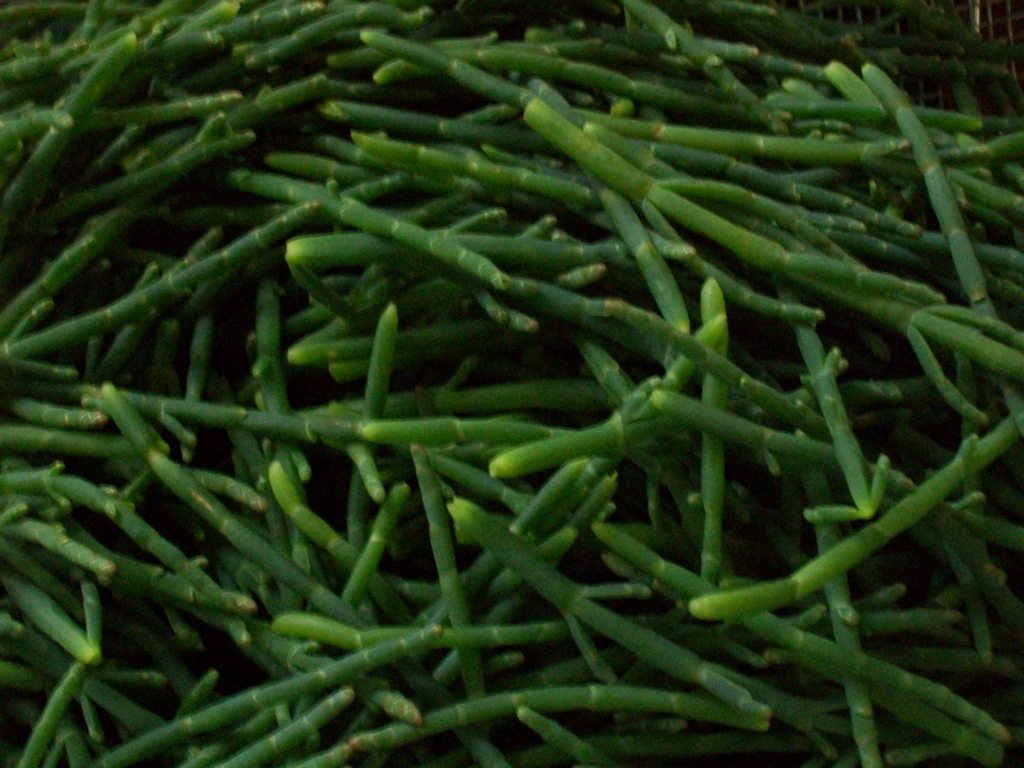
Hamcho in English is Glasswort