After a bit of a writing hiatus in which I keep telling myself I need to utilize my blog, I am back writing about one of my favorite subjects. Foraging! I have been a forager since childhood. In case you do not know the story, my older sister when we were toddlers, used to pick random things out of the yard and try to get me to eat them…. Mom usually followed it up with Ipecac and thus I hate vomiting. Needless to say, the foraging for safe edibles continued and developed over the years much to my family’s amusement.
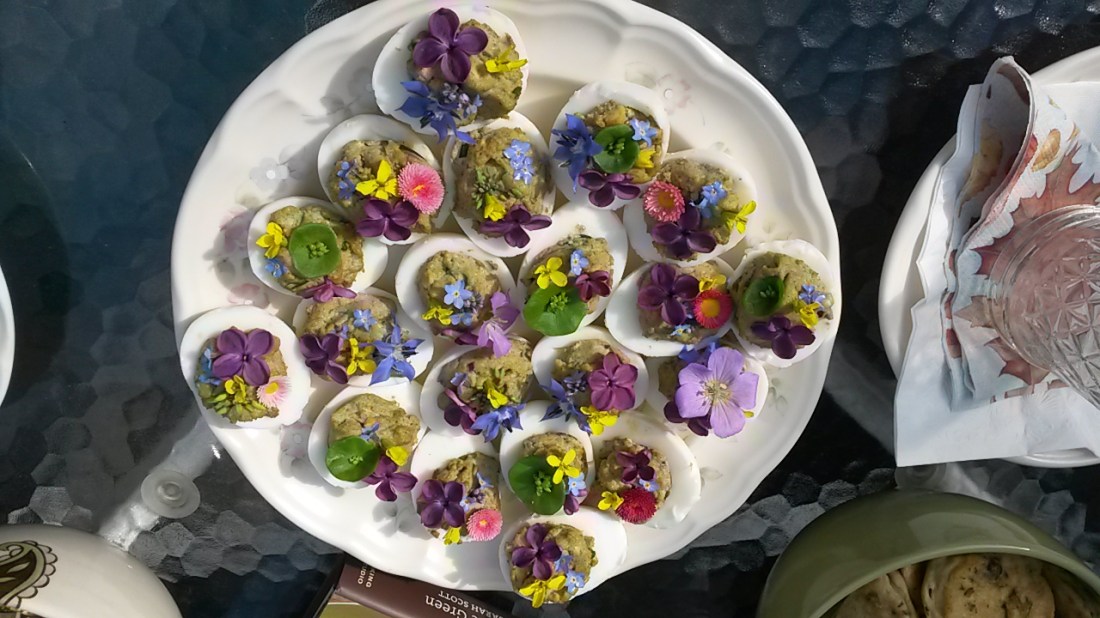
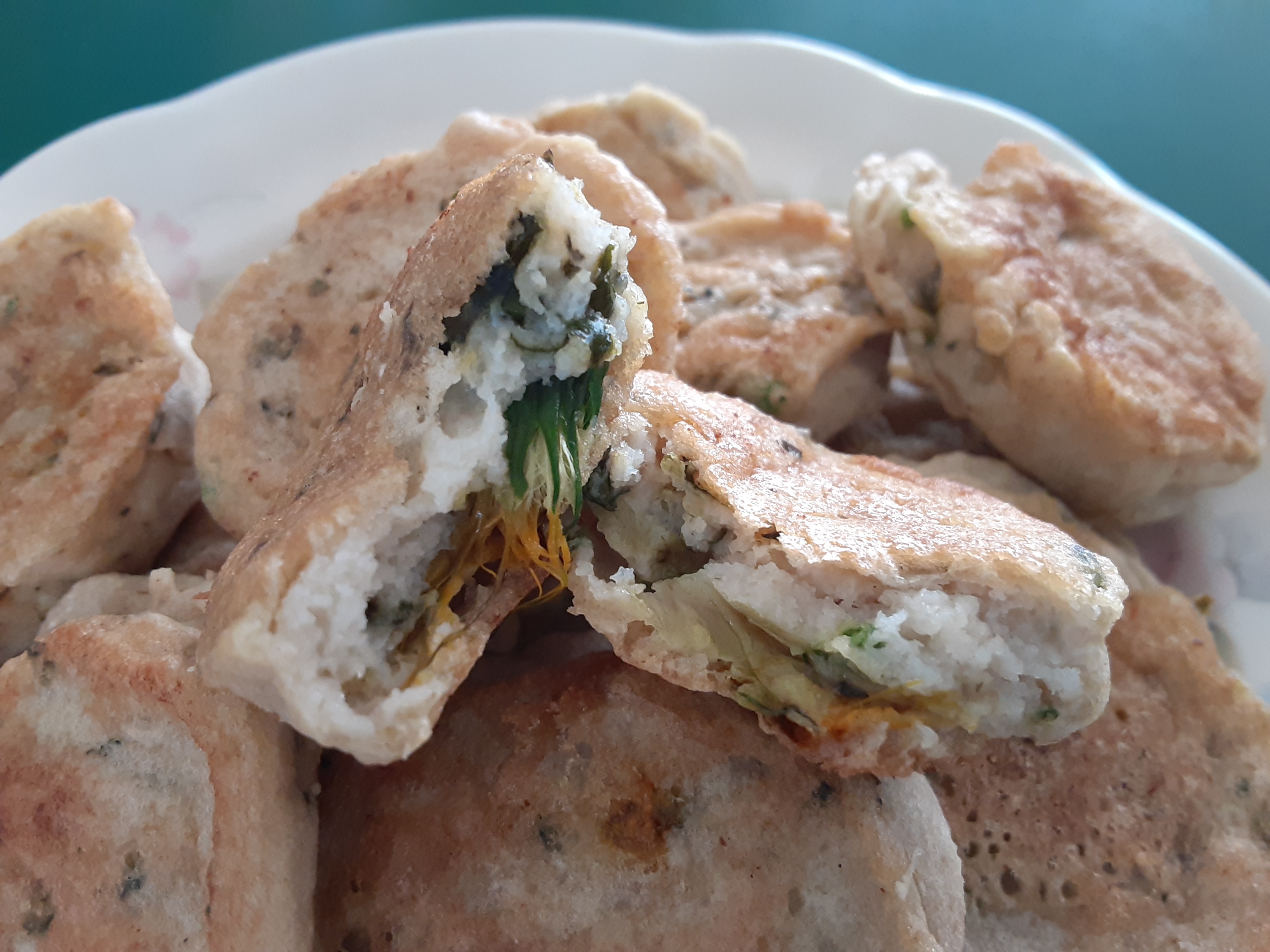
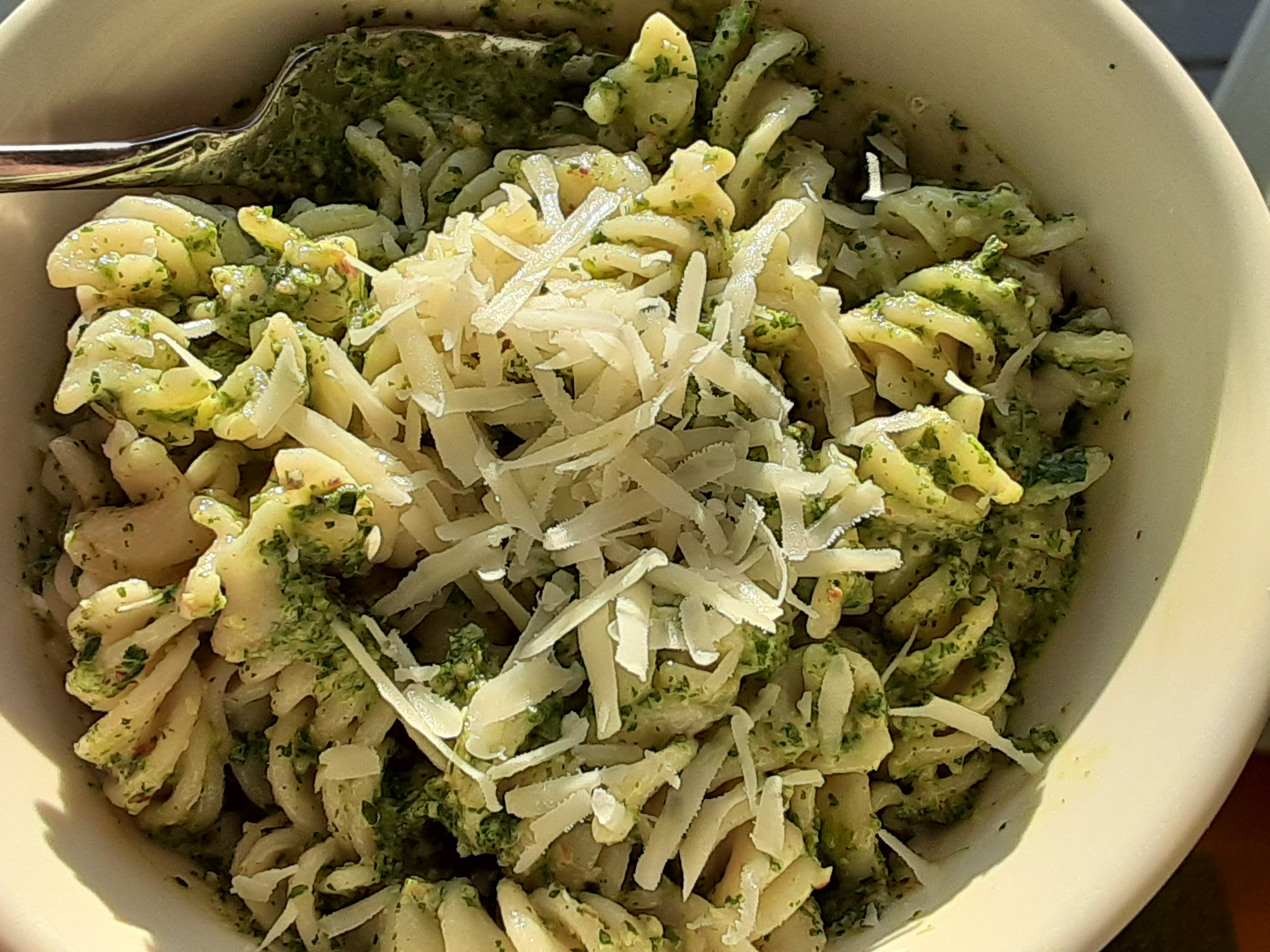
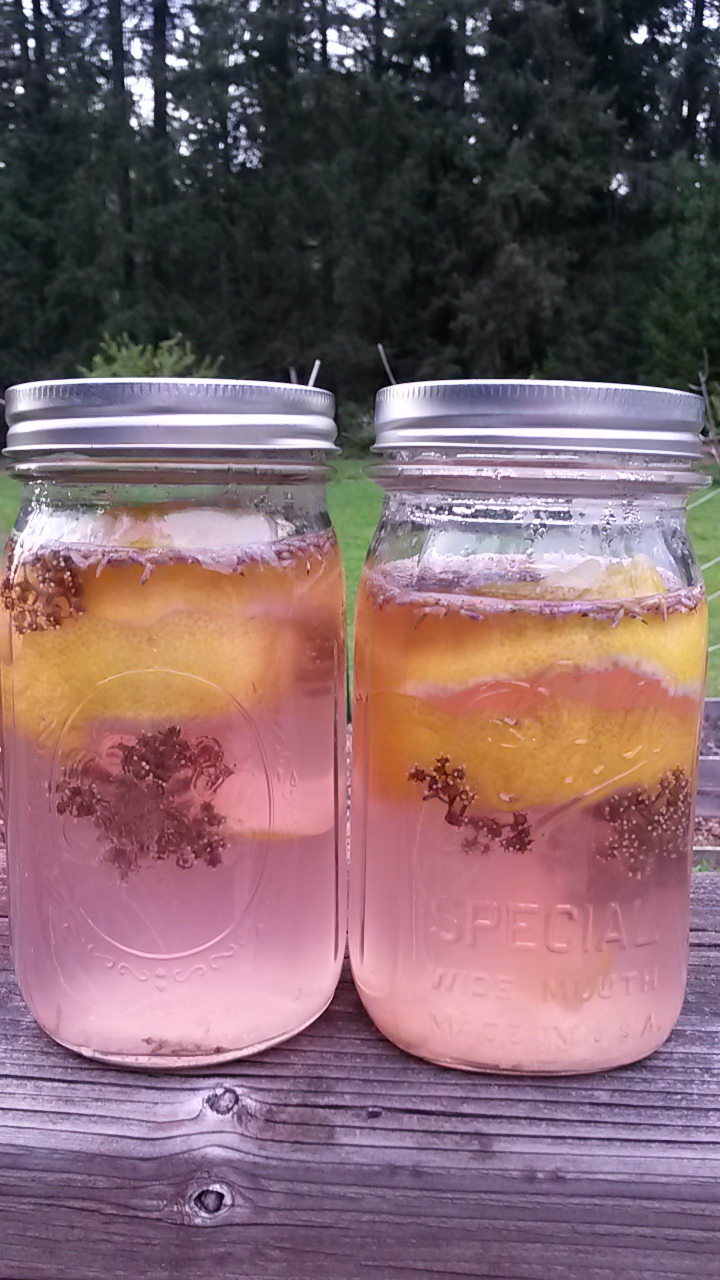
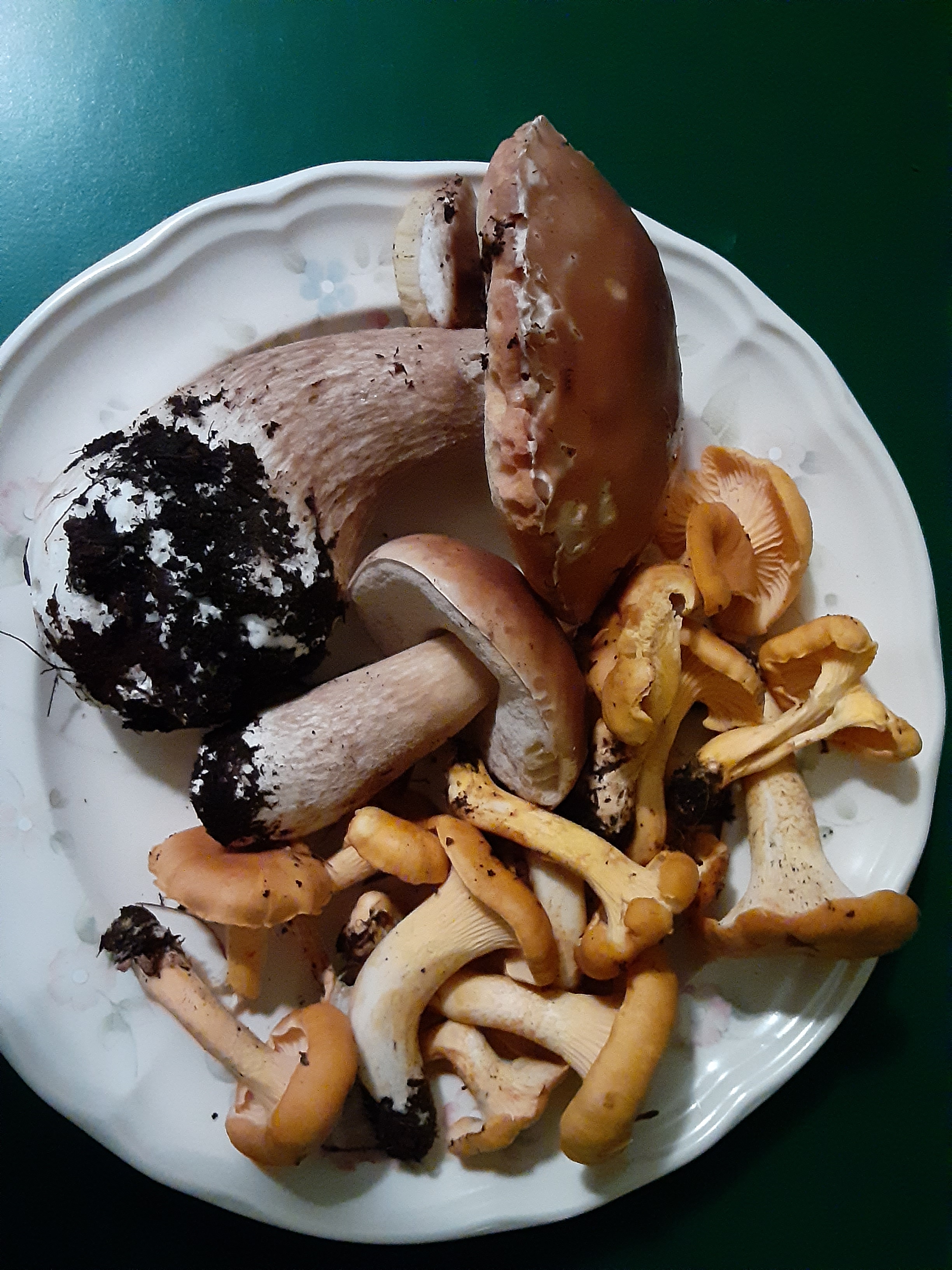
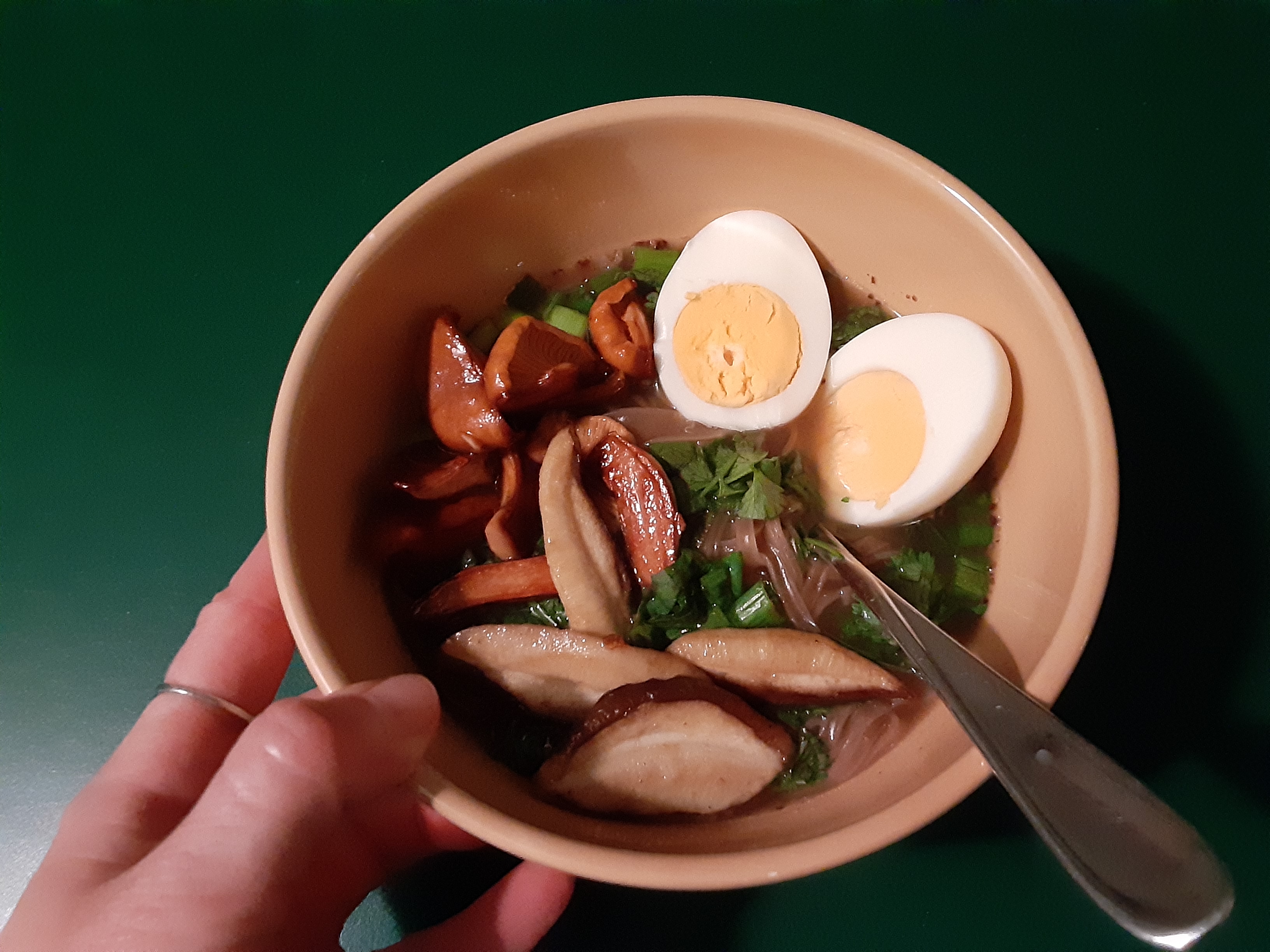
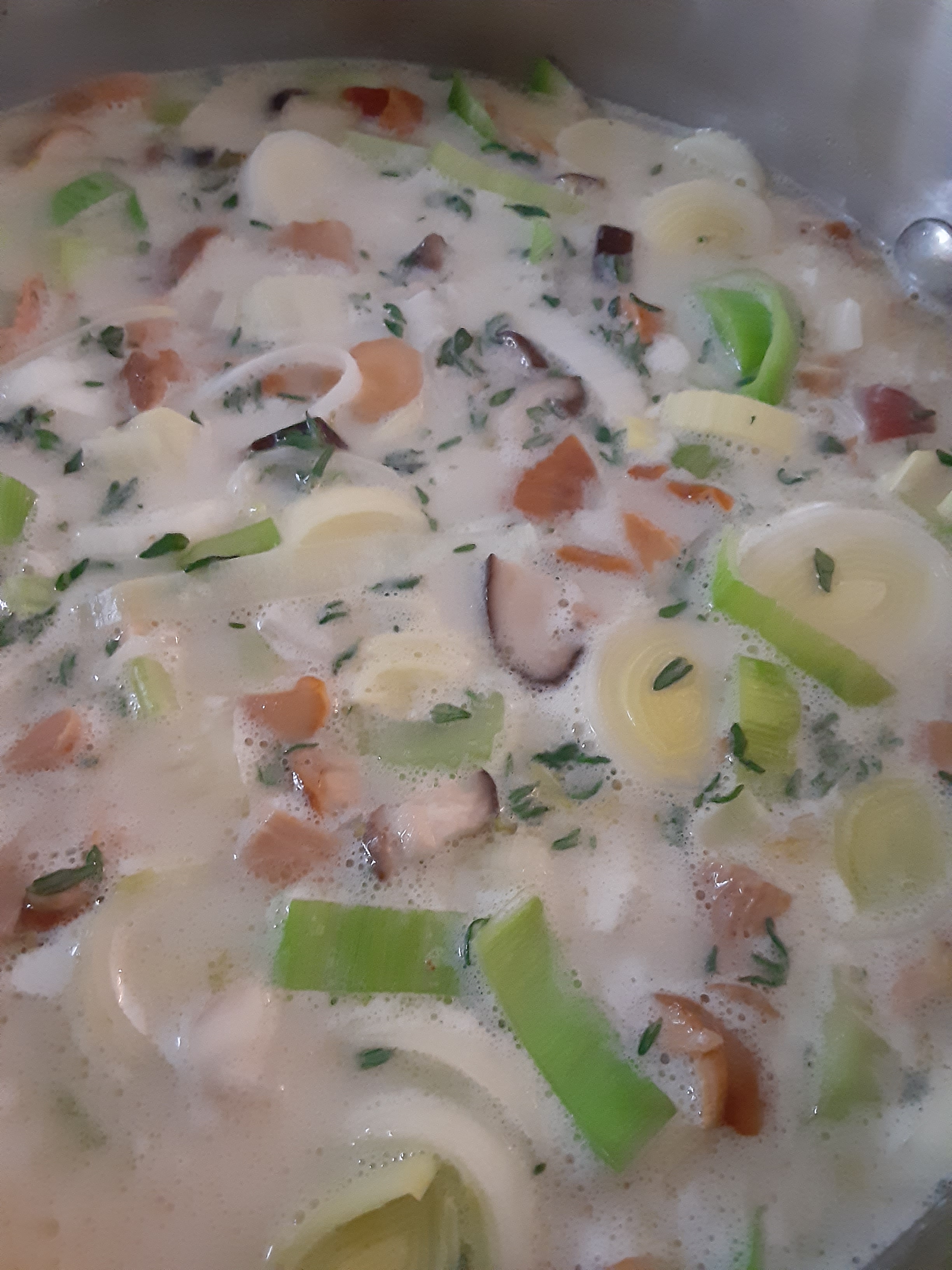
Now that I have thrown a bunch of tasty pictures at you, why am I inspired to write again. Well, it’s because of a hand mixer. My sister, same one who delighted in trying to off me eons ago, handed down a Kitchen Aid hand mixer. It was perhaps after the new sweet stand ones came out and the hand mixer was taking up valuable cabinet space. This mixer has been with me for over 20 years now. It traveled from station to station with me in the Coast Guard and back to civilian life. It does not get used often, but I cannot part with it (since I do not have a sweet stand mixer).
In prepping for a talk on medicinal and wild edible plants at a local botanical garden, I was making some herbed-up shortbreads. In mixing the softened butter, sugar, and herbs, the mixer “broke” and was stuck at max speed. Unplugging was the only solution…and major small appliance surgery. Now here is another fun factoid, I enjoyed taking small appliances and things apart as an older kid and making them work again. I had that little mixer working like a proper champ in about 5 minutes.
The simple truth is I need to put up the recipes with their stories and pictures. I have lots of pictures of foraged food creations from over the years to put to use. From the mountains to coastal regions, the dry side vs wet side of the state, the meadows vs forests, feral garden plants to native plants, there are lots of edible plants, fungi, and seaweeds to learn about and broaden your palate with!
The next installment will be on Sweet and Savory Shortbreads to kick off the recipes!
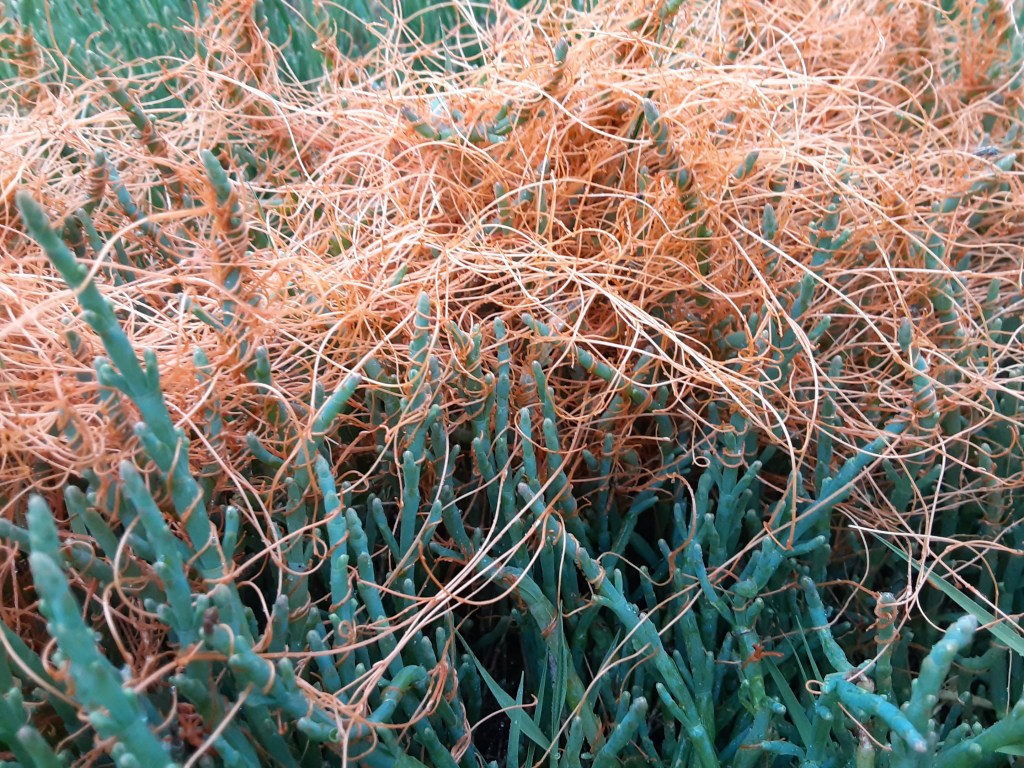
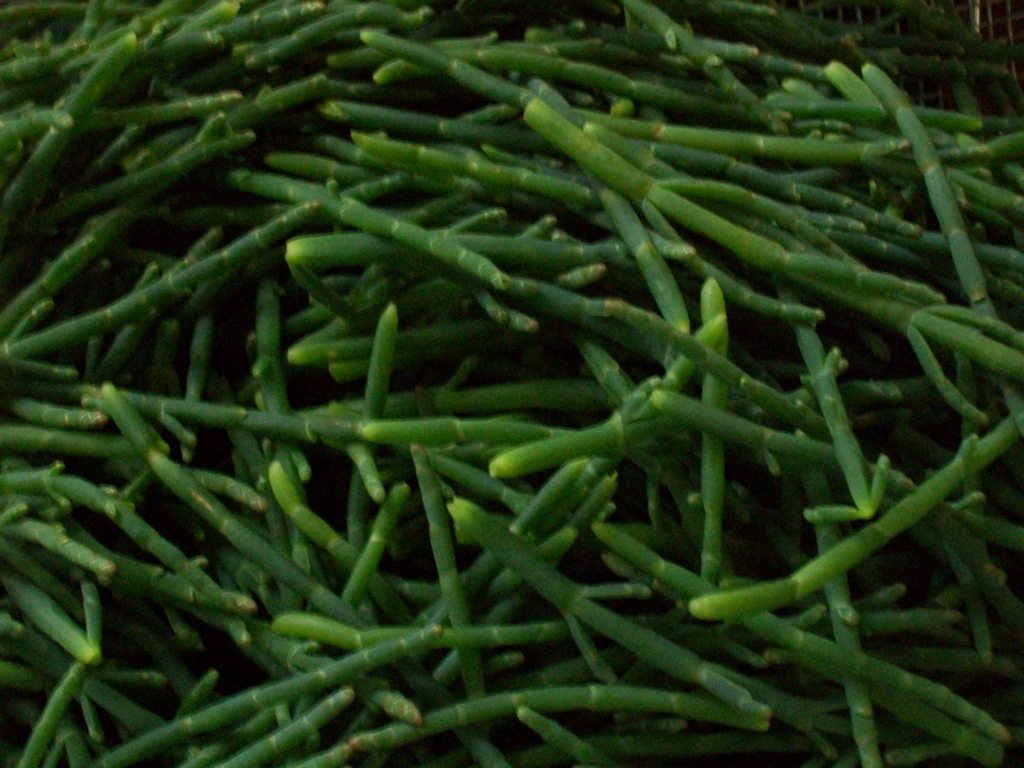
Here’s a saltwater veggie that grows in many places around the globe and has been eaten by many cultures! They go by various regional names like sea asparagus, samphire, pickleweed, and glasswort in English speaking countries; hamcho in Korea; sakikusa which is Japanese for “3 branches,” and more. This cute little succulent is a halophyte, found growing along high tide lines along ocean beaches, in salty lakes, marshes, and mangroves around the world. They go well with seafood dishes or any dish you want a crunch salty wild green flavor. They can be sautéed, blanched, pickled, or even eaten raw. Soaking, blanching, and cooling quickly in fresh water a couple times will remove some of the salty flavor if not desired. Hold the salt when seasoning!
Ready for a recipe!
The name samphire had me curious as to the origin of the name. Initially I though “salt vampire” since it is a halophyte. Alas, as funny as that would be, that name is thought to be derived from St. Pierre (sampiere), the patron saint of fisherman. The name glasswort came about in England where it was burned to make soda ash used in the making glass and soap.
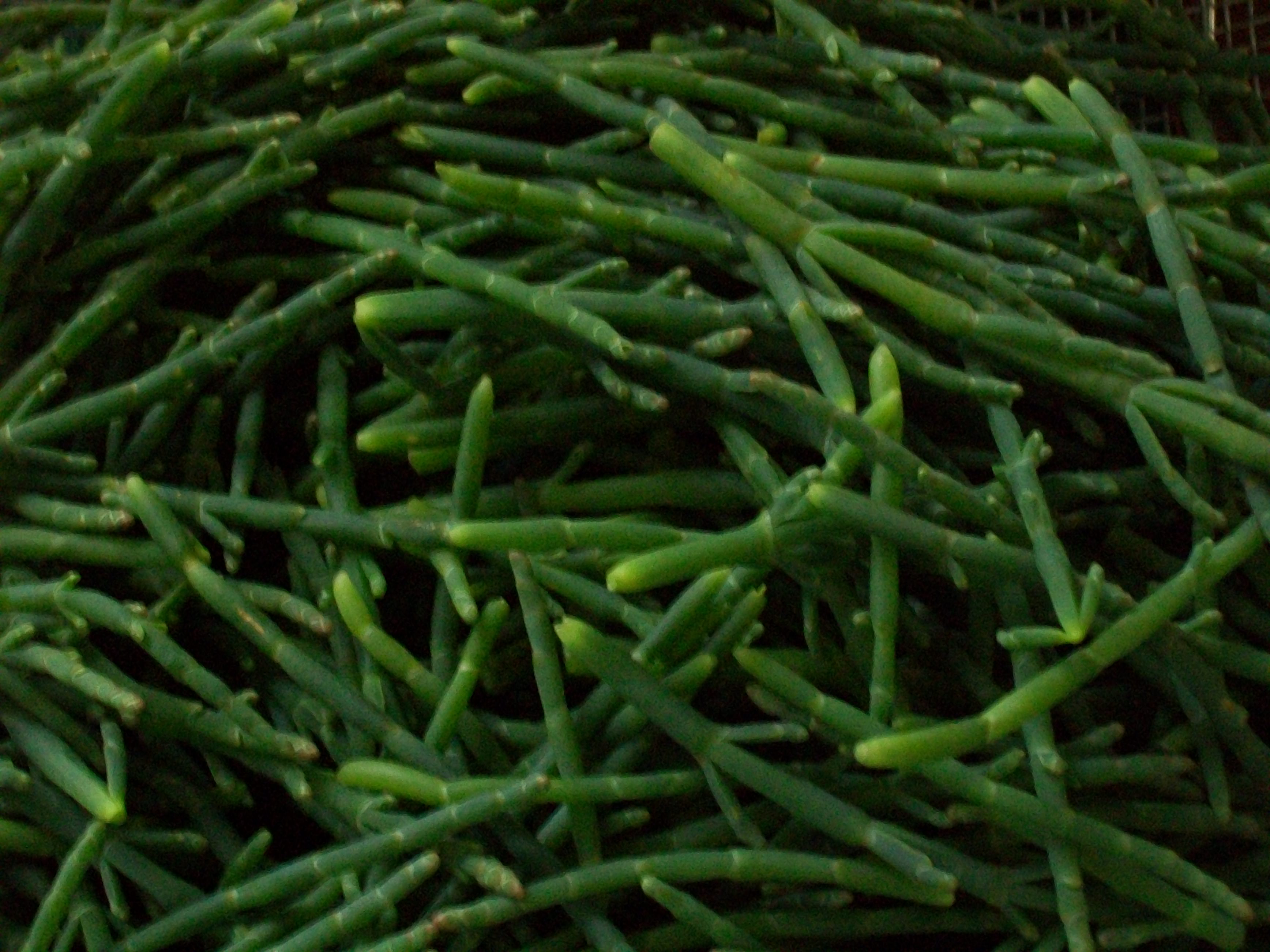
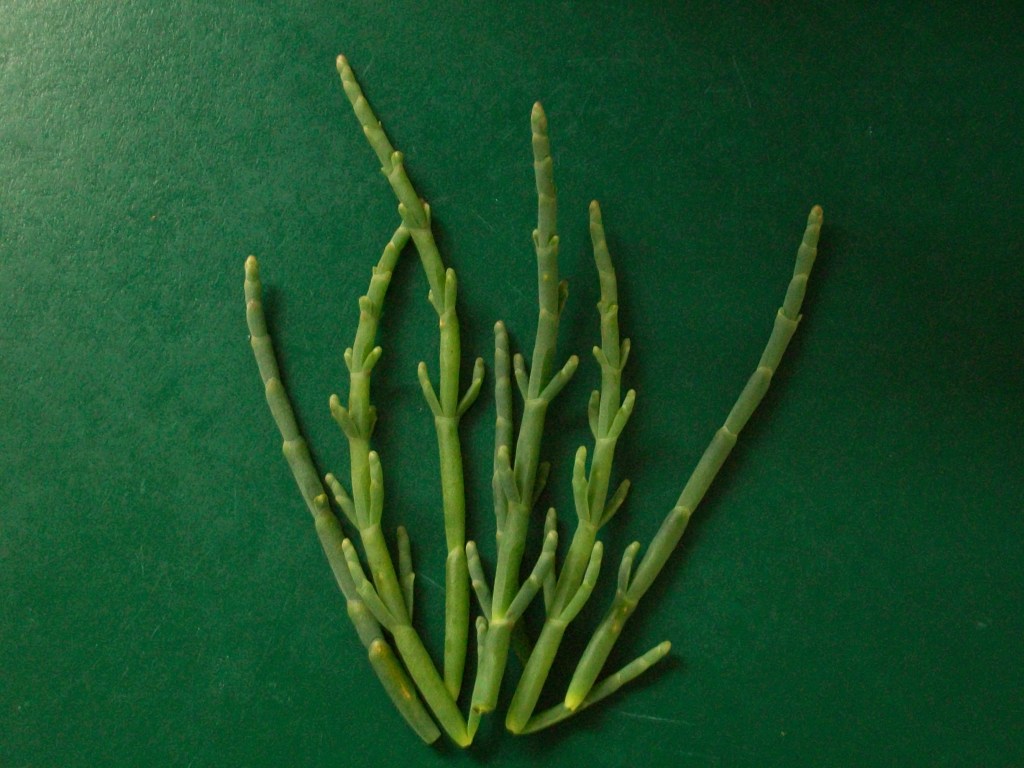
Close up of the morphology…
Botanically speaking, the plant is a sprawling rhizomatic perennial succulent, bright green in spring through mid-summer in Washington. It becomes branched and dense. As summer progresses, purplish brown flowers appear on the tips. It is best harvested before the flowers appear. The top 4-6 inches are preferred, for older growth has a woody core. They can spread, but are a bit delicate, so rather than tromping into the middle of a patch, harvest from established paths and edges.
Sea beans are in the Amaranthaceae family with spinach, beets, quinoa, and other nutritional foods. Sea beans are surprisingly high in protein, with a whopping 10 grams per ½ cup of beans. They are also high in various minerals and vitamins: Vit A, calcium, iron, iodine, and can be high in zinc and copper. Sea beans also contain a variety of antioxidant and other beneficial bioactive compounds. There have been a variety of studies on this interesting vegetable in the realm of atherosclerosis, diabetes, cancer, and premature aging due to excessive oxidative damage.
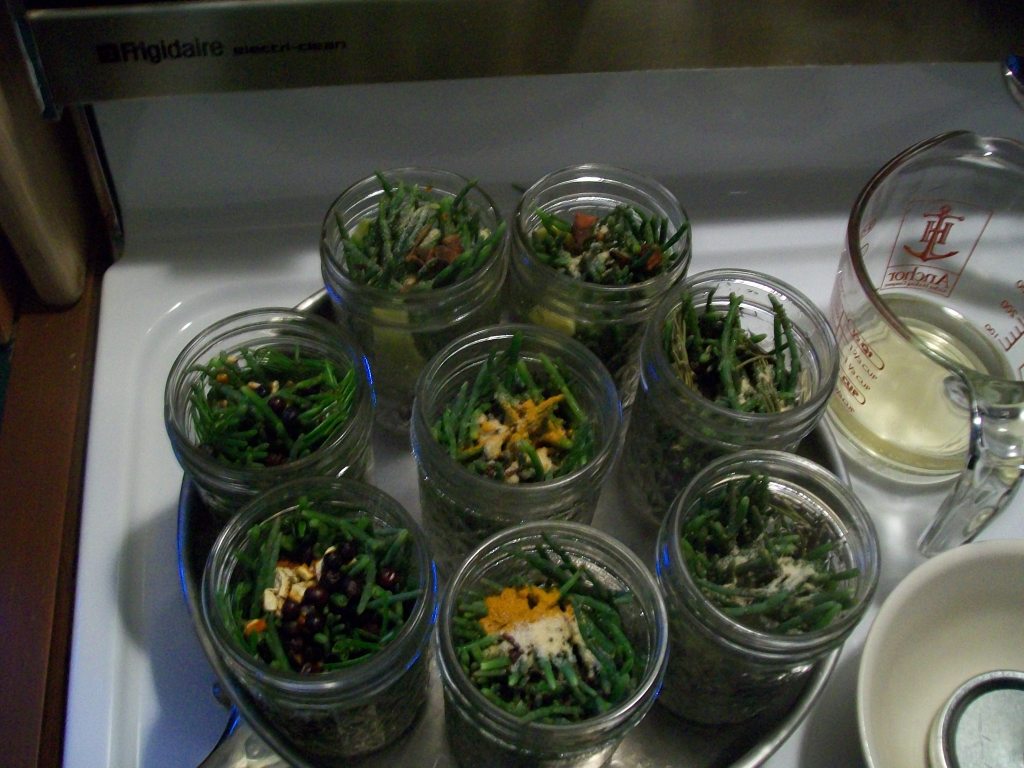
Prep for pickling the sea beans
A few weeks ago, I harvested enough sea beans to experiment with after getting excited about the research on nutritional information and recipes. After breaking out the canner, deciding on pickling flavors, sorting, washing, and packing a bunch of jars, I was left to waiting patiently for the flavors to develop. After about a week, the first jar I sampled was a variation of Langdon Cook’s recipe which had star anise, fresh ginger, garlic, and a dash of red pepper flakes. I served them with coconut ginger rice and a little cod. They were wonderfully flavorful and had a nice spice to them. Next, I tried my own wild combination of noble fir tips, orange peel, and juniper seed cones with salmon burgers. Holy smokes! The bright citrus flavors with the apple cider vinegar is truely wonderful. I still have the Mediterranean and “bread ‘n butter” versions to try, but have no doubt they will be tasty.
Base Recipe: 2 quarts of sea beans, 3 cups of vinegar (white, apple cider, or rice wine), 3 cups of water, fresh or dry herbs and spices (about a tablespoon dry, 2-3 fresh). Stuff cleaned bean in sterilized 8 oz jars, add desired herbs, bring water and vinegar(s) to a boil, pour or ladle liquid over beans leaving half inch headspace, process in the canner 10 min. Cool, label, store in dark cool place. Allow a week for flavors to develop.
Herb combos: (will add others after sampling!)
1. 3 slices of fresh ginger, a clove or 2 of garlic, star anise pod, a teaspoon of organic cane sugar, dash of red pepper flakes per 8 oz jar
2. 3 sprigs of douglas fir, noble fir, or western hemlock tips, a teaspoon of juniper seed cones, a teaspoon of fresh or dried diced organic orange peel per 8 oz jar
Resources:
Druehl, L and Bridgette Clarkston. Pacific Seaweeds. Harbour Publishing. 2016.
Elias, T. and Peter Dykeman. Edible Wild Plants. Sterling Publishing. 1982.
Green, C. and Sarah Scott. The Wild Table. Viking Studio. 2010.
Jones, Bill. The Deerholme Foraging Book. TouchWood Editions. 2014.

 Fern Glen Living